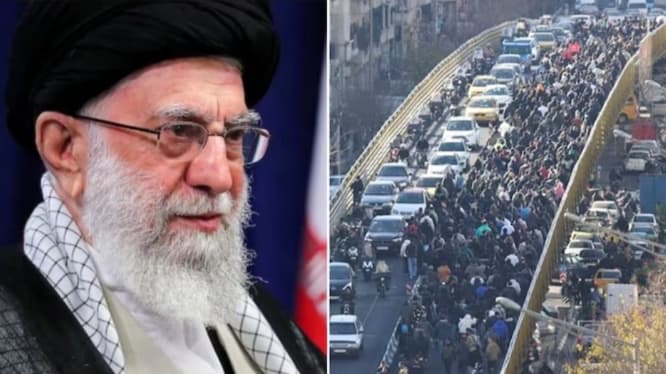
Recent protests in Iran have escalated into a serious wave of unrest, centered around widespread economic dissatisfaction and political grievances. Demonstrators have taken to the streets, chanting slogans such as “Death to Khamenei”, as frustrations mount over the country's deteriorating economic conditions.
The unrest is reminiscent of the protests seen in 2022, driven by similar concerns over rising inflation, unemployment, and government mismanagement. Economic hardships have intensified following international sanctions and internal policy failures, leaving many Iranians struggling to afford basic necessities.
Eyewitness accounts describe significant gatherings in major cities, where protestors raise their voices against both the Supreme Leader and the regime’s inefficiencies. The protests have not only drawn attention to economic woes but have also exposed deeper discontent with the political status quo.
Security forces have responded with force, leading to clashes that have resulted in injuries and arrests. This heavy-handed approach has fueled further outrage among the populace, with calls for reform gaining traction across social media platforms.
International observers are closely monitoring the situation, expressing concern for the safety of protesters and calling for restraint from the Iranian government. As the unrest continues, the potential for larger, more organized movements grows, indicating that the calls for change may resonate well beyond economic issues.
The current unrest poses significant challenges for the Iranian leadership as it navigates a complex socio-political landscape, where demands for accountability and transparency are increasingly difficult to ignore. This moment of civil strife could have lasting repercussions for Iran’s future direction, both economically and politically.
Published by Banx Network. This article is part of the Banx decentralized media programme, powered by the BXE token on the XRP Ledger.