
Key Highlights
- Protests in Iran have escalated significantly, driven by economic dissatisfaction.
- Demonstrators are chanting slogans like 'Death to Khamenei' amid rising inflation.
- The unrest mirrors the protests of 2022, highlighting ongoing political grievances.
Recent protests in Iran have escalated into a serious wave of unrest, centered around widespread economic dissatisfaction and political grievances. Demonstrators have taken to the streets, chanting slogans such as 'Death to Khamenei', as frustrations mount over the country's deteriorating economic conditions. Eyewitness accounts indicate that these protests are not isolated incidents but part of a larger movement reflecting deep-seated discontent among the Iranian populace.
The unrest is reminiscent of the protests seen in 2022, driven by similar concerns over rising inflation, unemployment, and government mismanagement. Economic hardships have intensified following international sanctions and internal policy failures, leaving many Iranians struggling to afford basic necessities. Reports suggest that inflation rates have soared, with essential goods becoming increasingly unaffordable for the average citizen.
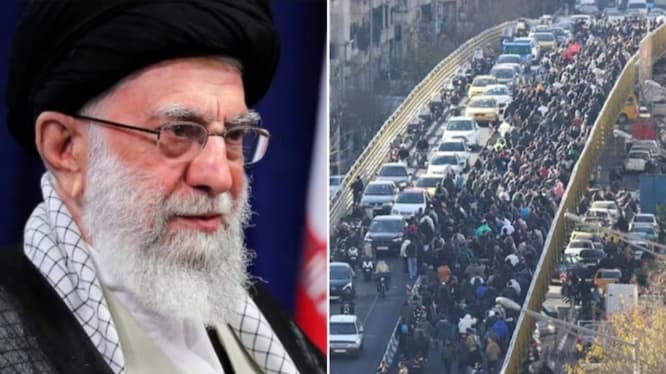
Significant gatherings have been reported in major cities, where protestors raise their voices against both the Supreme Leader and the regime’s inefficiencies. The protests have not only drawn attention to economic woes but have also exposed deeper discontent with the political status quo. Many participants express a desire for systemic change, indicating that the unrest is fueled by more than just economic grievances.
Security forces have responded with force, leading to clashes that have resulted in injuries and arrests. This heavy-handed approach has fueled further outrage among the populace, with calls for reform gaining traction across social media platforms. Videos and images circulating online depict the intensity of the protests, showcasing the determination of demonstrators despite the risks involved.
International observers are closely monitoring the situation, expressing concern for the safety of protesters and calling for restraint from the Iranian government. As the unrest continues, the potential for larger, more organized movements grows, indicating that the calls for change may resonate well beyond economic issues. Analysts suggest that the current wave of protests could lead to a significant shift in Iran's political landscape if the government fails to address the underlying issues.
The current unrest poses significant challenges for the Iranian leadership as it navigates a complex socio-political landscape, where demands for accountability and transparency are increasingly difficult to ignore. This moment of civil strife could have lasting repercussions for Iran’s future direction, both economically and politically. The government's response in the coming days will be crucial in determining whether the protests will lead to meaningful change or further repression.
Published by Banx Network. This article is part of the Banx decentralized media programme, powered by the BXE token on the XRP Ledger.



