Cuenca, Ecuador—Millions of tons of mud and rock crashed down a saturated Andean hillside onto a residential settlement. The wall of earth swallowed two small houses entirely while families slept inside. Neighbors awoke to a muffled roar as utility poles snapped like dry twigs.
Torrential downpours had lashed the regional watershed continuously for forty-eight hours prior to the collapse. Local meteorological stations recorded historic rainfall totals across upper elevation mountain zones. Ground saturation levels exceeded safety thresholds days before the disaster struck.
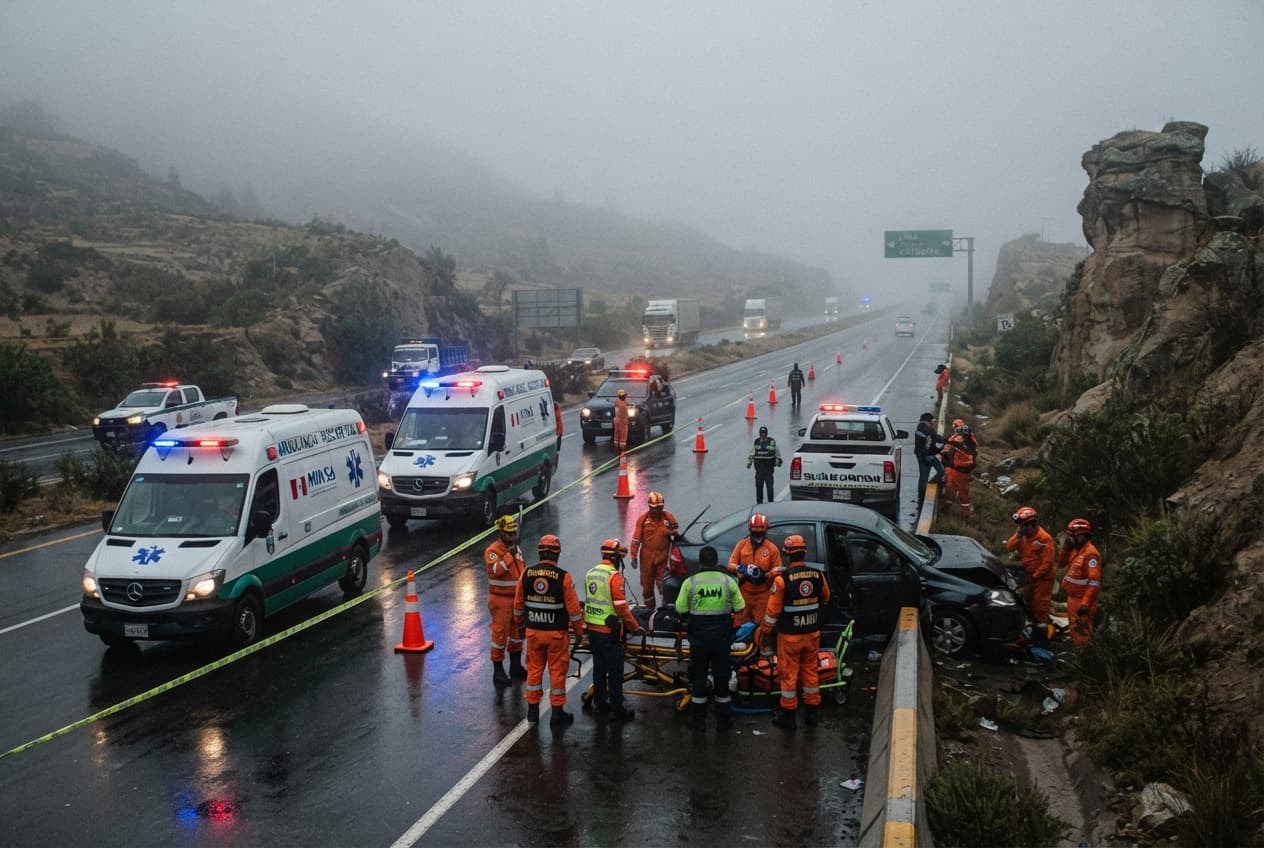
Civil protection agents rushed to the scene with search dogs and manual shovels to dig through the unstable slurry. Heavy mechanical excavators could not reach the remote ravine due to washed-out access bridges. Rescuers labored under constant threat of secondary mudslides from the unstable ridge above.
Search teams recovered four bodies from the deep mud deposits by late afternoon. Medical examiners confirmed asphyxiation and crush trauma as the primary causes of death. Several surviving family members were treated for shock and hypothermia at field clinics.
Municipal urban planners acknowledged that the destroyed homes sat within a designated high-risk landslide zone. Previous municipal warnings advising voluntary relocation were never enforced with alternative housing options. Informal settlements continue expanding across dangerous slopes due to severe urban poverty.
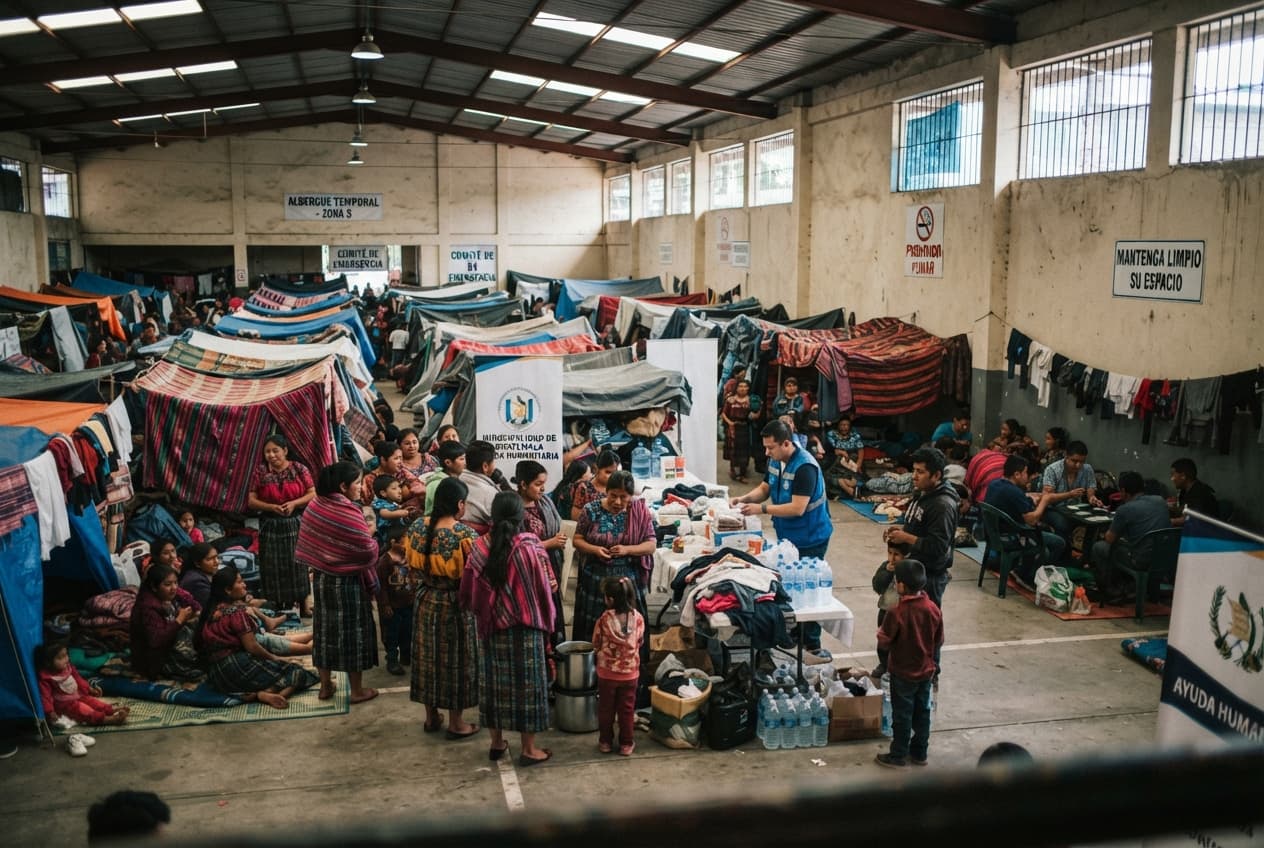
Road maintenance crews worked upstream to clear smaller rockslides blocking arterial routes into the provincial capital. Potable water treatment plants suspended operations temporarily due to high sediment loads carried by swollen rivers. Emergency shelters opened inside neighborhood community centers for displaced residents.
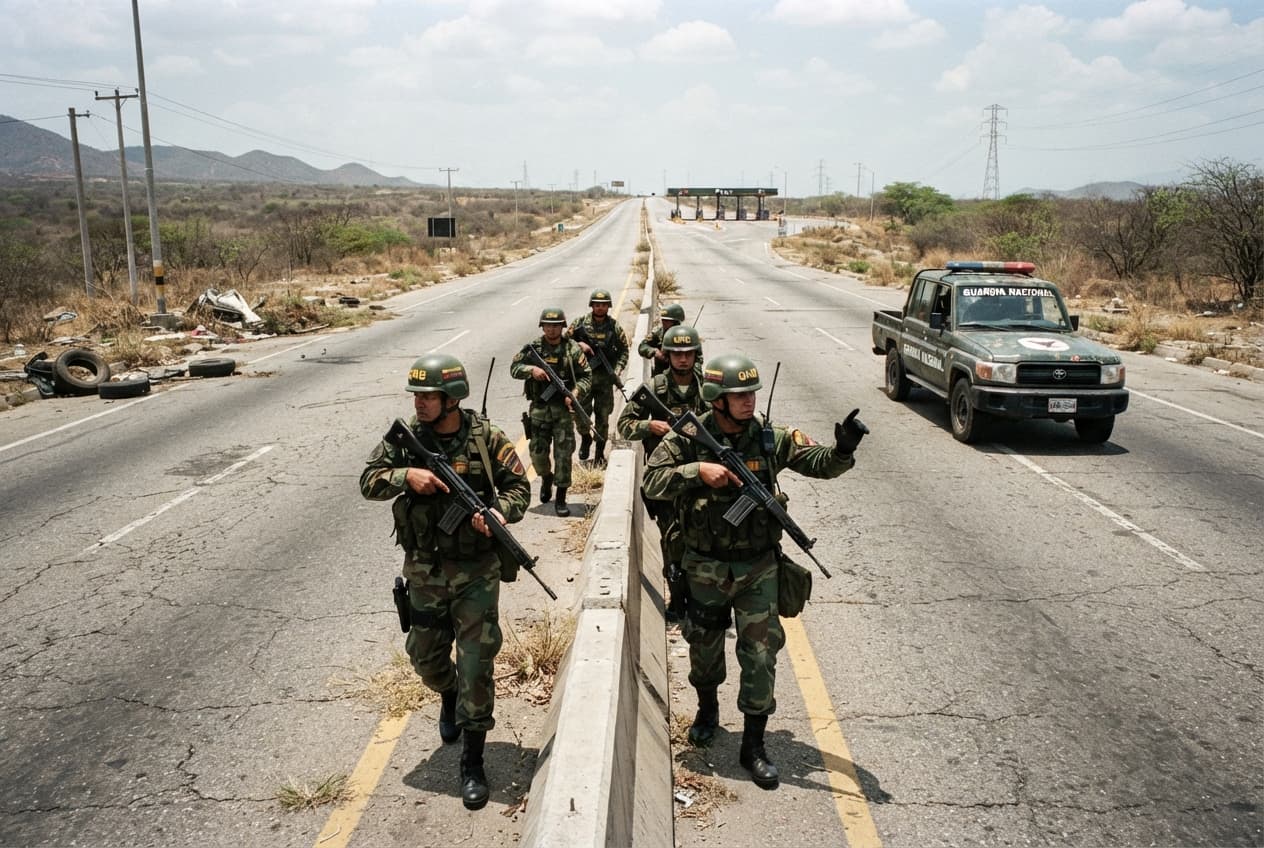
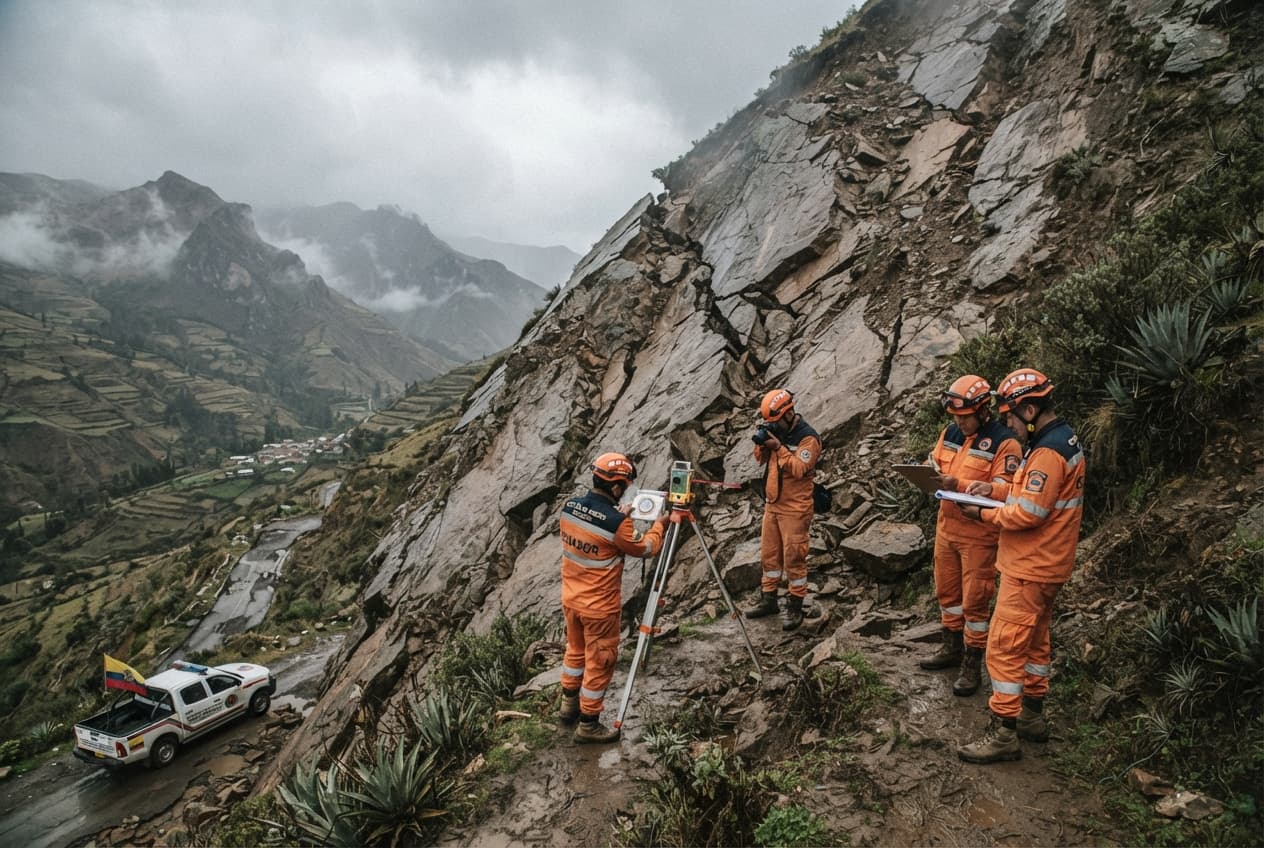
Geologists deployed laser monitoring equipment to track ongoing ground movement along the fractured mountain ridge. Further rainfall forecasts threaten to destabilize adjacent housing sectors overlooking the river valley. Police restricted pedestrian entry into the disaster zone to prevent looting.
The rescue phase shifted toward recovery operations as daylight faded over the valley. Engineers continue evaluating structural risks for neighboring hillside properties.
Published by Banx Network. This article is part of the Banx decentralized media programme, powered by the BXE token on the XRP Ledger.