
Key Highlights
- Incident:A massive landslide in Gilgit-Baltistan, Pakistan, has resulted in four fatalities.
- Rescue Operations:Ongoing rescue efforts are hampered by heavy monsoon rains and unstable terrain.
- Local Response:Residents express frustration over ignored warnings regarding slope stability.
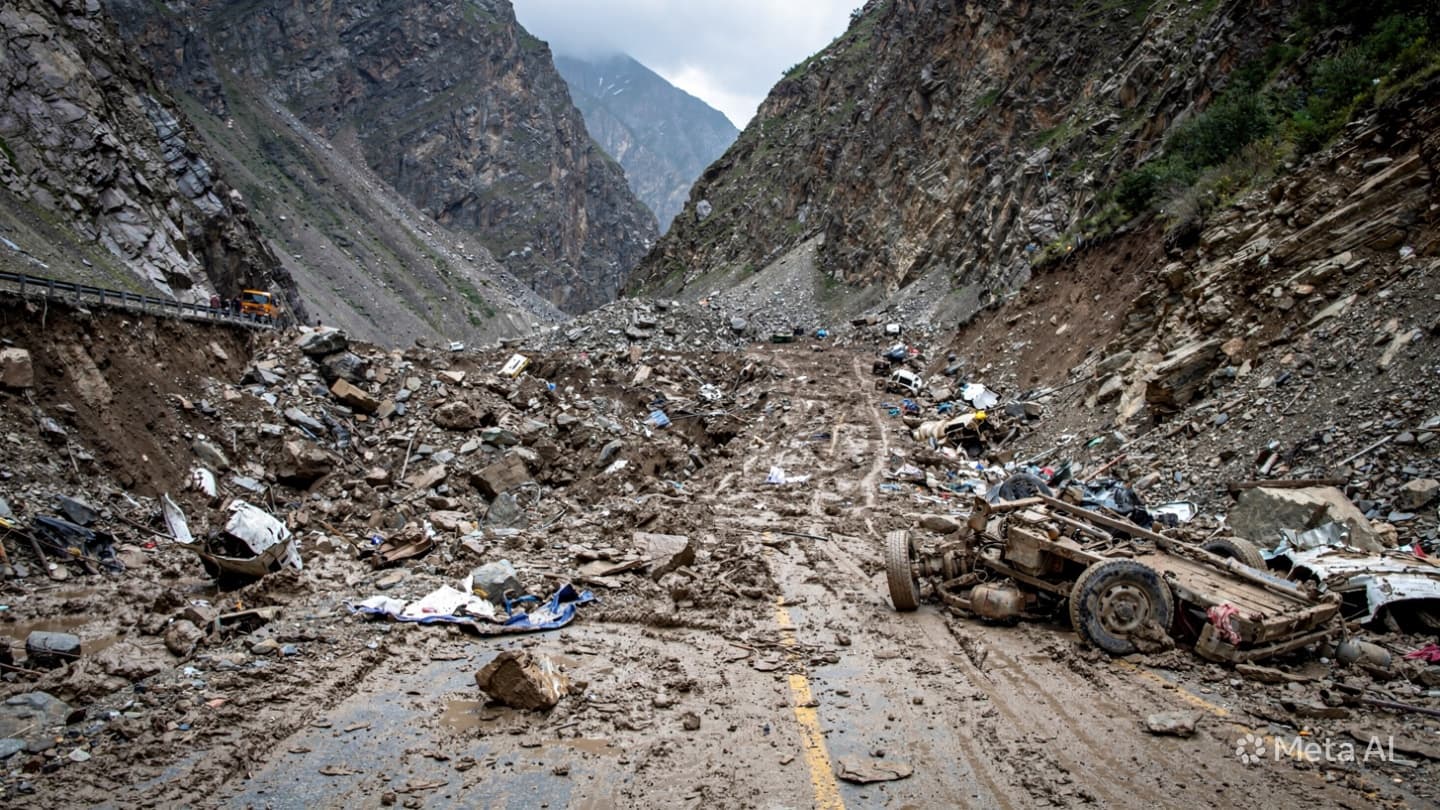
A massive landslide tore through a mountain pass in Gilgit-Baltistan, Pakistan, early this morning, claiming the lives of four individuals and trapping several others under debris. The landslide was triggered by persistent monsoon rains that had saturated the slopes above the main road, leading to a sudden collapse that caught vehicles in the narrow valley. Local authorities have since declared the area a high-risk zone, emphasizing the dangers posed by the unstable terrain.
Rescue teams arrived at the scene shortly after dawn, but their efforts have been significantly hindered by ongoing heavy rain. Earthmoving equipment remains stuck behind secondary blockages along the access route, forcing rescuers to rely on manual tools to clear the dense mud and stone. The environment remains precarious, with smaller tremors of debris continuing to fall from the ridge, complicating rescue operations.
Regional police have confirmed the death toll as recovery operations intensified throughout the afternoon. Medical teams have been dispatched to the nearest stable village to receive those extracted from the slide. Conditions in the remote area are deteriorating, as clouds trap moisture against the mountain walls, increasing the risk of further landslides.
Local residents have voiced their concerns, claiming that warnings about slope stability were ignored for weeks. Villagers had observed cracks widening in the earth above them, yet road traffic continued without interruption. This has led to sharp questions directed at officials regarding the lack of drainage management in these vulnerable high-altitude sectors, raising concerns about public safety.
The primary transport corridor remains severed, posing a critical threat to the supply chain for mountain communities that rely on these roads for essential goods such as food and medicine. Emergency authorities are working to establish a bypass, but the challenging terrain makes rapid construction nearly impossible.
Government disaster management teams are coordinating from the district capital, shifting their focus to identifying other potential hotspots along the highway. With every hour of rain, the probability of further slope failures increases across the northern districts, heightening the urgency of the situation.
The victims of the landslide are expected to be identified by late tonight, as families gather at a local staging point, anxiously awaiting news from rescue crews. Tensions are rising as the weather forecast offers no relief from the incoming storm systems, which could exacerbate the already dire situation.
Cleanup efforts are anticipated to take several days, even under the best conditions. Officials have requested specialized heavy machinery from provincial headquarters to expedite the clearance process. Until then, all transit through this section of the range is strictly prohibited, as safety remains the top priority.
Published by Banx Network. This article is part of the Banx decentralized media programme, powered by the BXE token on the XRP Ledger.



