
Key Highlights
- Incident:Two fatalities confirmed after a home collapse in Guatemala City.
- Cause:Intense rainfall led to ground saturation and structural failure.
- Response:Emergency teams worked for hours to recover victims and assess damage.
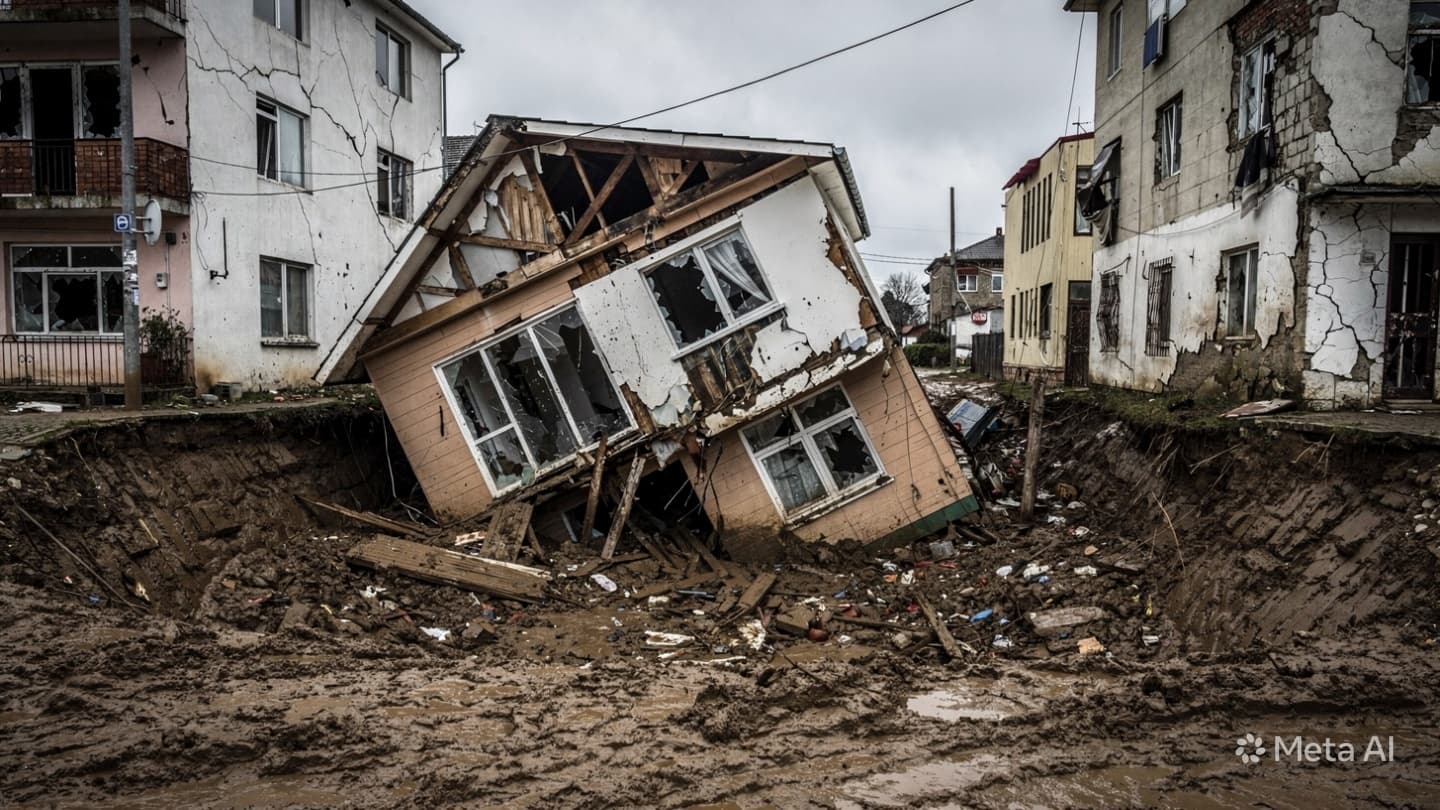
Guatemala City, Guatemala—Two people were confirmed dead early Sunday after their home collapsed during a period of intense and sustained rainfall. The building, located in a high-density sector of the capital, gave way under the pressure of saturated ground and localized flooding. Rescue teams were deployed shortly after the collapse, working against the clock to pull victims from the wreckage of concrete and twisted metal.
The collapse occurred without warning, catching the residents inside. Neighbors reported hearing a loud, grinding sound before the entire rear section of the structure slid into a ravine. The rapid onset of the rainy season has left the soil in many parts of the city dangerously unstable, a recurring issue that residents say the local government has failed to address. This incident is not isolated; similar collapses have been reported in the past, raising concerns about the safety of informal settlements in the area.
Emergency responders managed to recover the two bodies after a strenuous search operation that lasted several hours. The area has been declared a high-risk zone, with municipal officials ordering the immediate evacuation of four adjacent houses. There are fears that further movement of the ground could destabilize the foundations of neighboring properties, prompting urgent calls for a comprehensive assessment of the area’s structural integrity.
Local disaster management agencies have been operating on a state of alert for several days due to the record-breaking rainfall. However, critics argue that the emergency response is too slow to reach families living in precarious, informal settlements on the city's outskirts. This tragedy has highlighted the extreme vulnerability of those living on steep slopes during the peak of the winter months, where inadequate infrastructure and lack of government oversight exacerbate the risks.
Volunteers have gathered to help the displaced families salvage whatever belongings they can, though the site remains blocked by official tape. The rain continues to pour, complicating efforts to shore up the ground and prevent another catastrophe in the vicinity. Many residents are now demanding that the city provide safer, more permanent housing solutions, as temporary shelters are insufficient for long-term safety and stability.
The two victims were well-known members of the community, and their loss has caused significant distress among those who lived nearby. Municipal authorities are promising an inspection of all houses along the ravine edge by Monday morning. However, such promises have been made in the past with little tangible impact on the safety of these neighborhoods, leading to skepticism among residents about the effectiveness of government interventions.
Engineers are currently monitoring the slope for any signs of further shifting. If the rainfall does not decrease, they may be forced to suspend their efforts until conditions improve. For now, the site serves as a somber illustration of the city's inability to protect its most at-risk citizens during the seasonal storms, raising urgent questions about urban planning and disaster preparedness in Guatemala City.
No clear path forward has been established for the displaced survivors. They remain in temporary shelters provided by community organizations, with no word on when or if it will be safe to return to their plots of land. The authorities maintain that all efforts are currently focused on preventing further loss of life during the ongoing storm, but the community's frustration is palpable as they await decisive action from local leaders.
Published by Banx Network. This article is part of the Banx decentralized media programme, powered by the BXE token on the XRP Ledger.



