
Key Highlights
- Four civilians killed in drone strikes across Gulf states.
- Amnesty International confirms casualties amid rising hostilities.
- Advanced munitions used in attacks on key infrastructure.
Manama, Bahrain—Four civilians tragically lost their lives today as drone strikes targeted critical infrastructure across the Gulf Cooperation Council (GCC) states. Amnesty International has confirmed these casualties, highlighting a concerning escalation in regional hostilities. The drone strikes occurred against a backdrop of increasing aerial aggression aimed at economic hubs and energy facilities, raising alarms about the safety of civilians in the region.
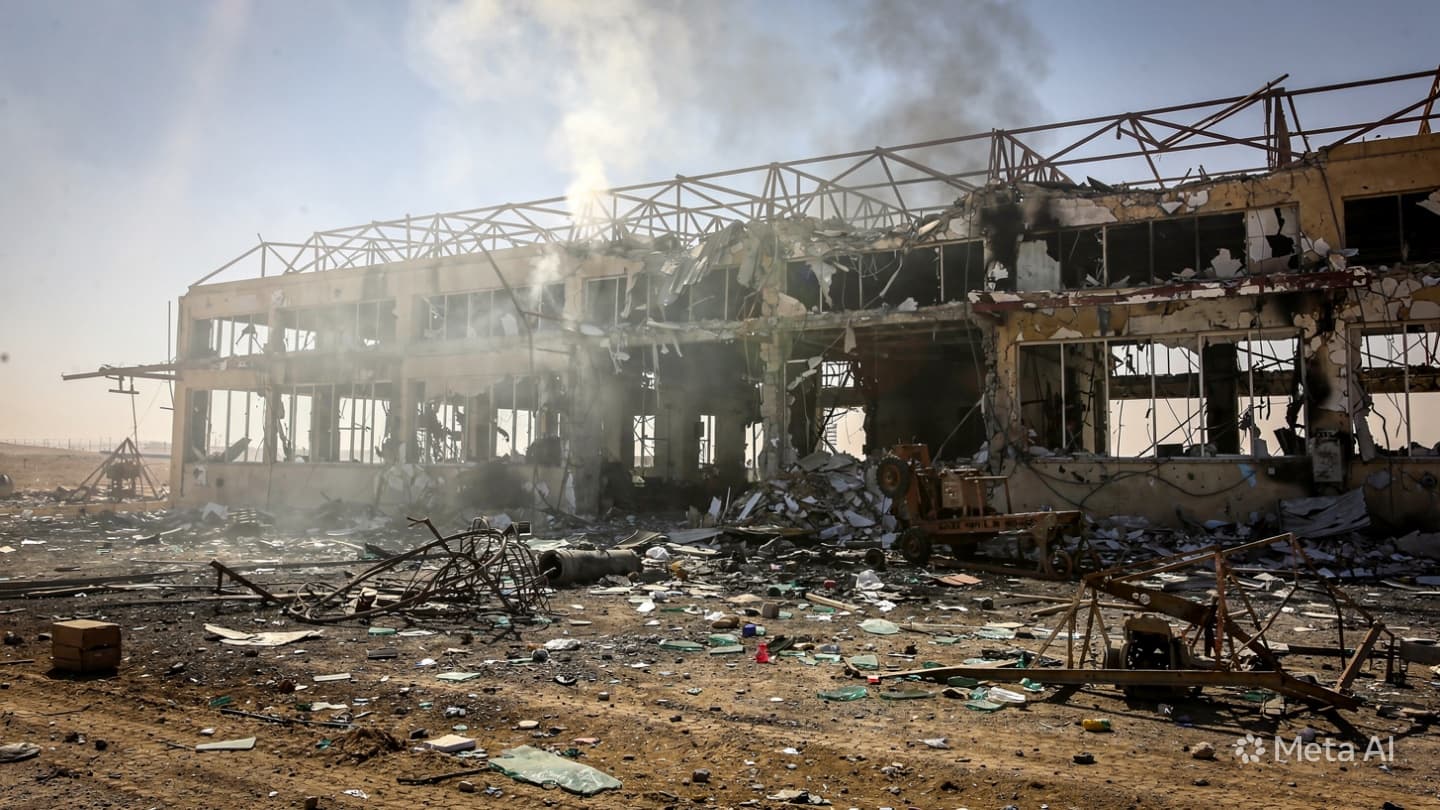
Witnesses reported seeing waves of unmanned aerial vehicles descending on essential sites, with local air defense systems struggling to intercept the incoming threats. Many drones managed to evade defensive measures, resulting in devastating explosions at structural targets. The patterns of destruction suggest the use of sophisticated loitering munitions, which are designed to hover and strike with precision.
Among the casualties were migrant workers who were caught in the blasts. Two victims died at the scene, while a third succumbed to injuries sustained during emergency medical treatment. A fourth individual died from injuries inflicted by debris that collapsed a structural wall during the attack. The human cost of these strikes underscores the urgent need for protective measures for civilians in conflict zones.
In the aftermath of the strikes, local authorities imposed restrictions on access to the damaged facilities. Fire crews worked tirelessly throughout the morning to extinguish chemical fires ignited by the drone impacts. Officials are currently engaged in mapping the flight paths of the drones involved, although initial forensic analysis is hampered by the ongoing volatility in the area.
This incident is part of a broader pattern of escalating tensions between Iran and Gulf nations, with previous strikes already impacting regional energy production. As governments scramble to assess vulnerabilities, economic centers are now under heightened security protocols. The international community has yet to respond cohesively to these alarming developments, leaving many to question the future stability of the region.
Human rights investigators are actively documenting the aftermath of the attacks, emphasizing the civilian nature of the facilities targeted. The legality of such strikes is a contentious issue, with legal experts reviewing evidence to determine whether these actions violate humanitarian law. The implications of these strikes could have far-reaching consequences for international norms regarding the protection of civilians in conflict.
As the conflict shows no signs of abating, military analysts are closely monitoring for further escalation along maritime borders. Emergency responders remain on high alert near sensitive industrial zones, and the situation continues to evolve as regional powers deliberate their next defensive strategies. The urgency of addressing the humanitarian impact of these strikes cannot be overstated, as the safety of civilians hangs in the balance amidst rising tensions.
Published by Banx Network. This article is part of the Banx decentralized media programme, powered by the BXE token on the XRP Ledger.



