

Key Highlights
- Death Toll:At least seven people have died due to floods and mudslides.
- School Closures:Authorities have ordered the closure of schools in affected areas.
- Emergency Response:Thousands have been evacuated as rescue operations continue.
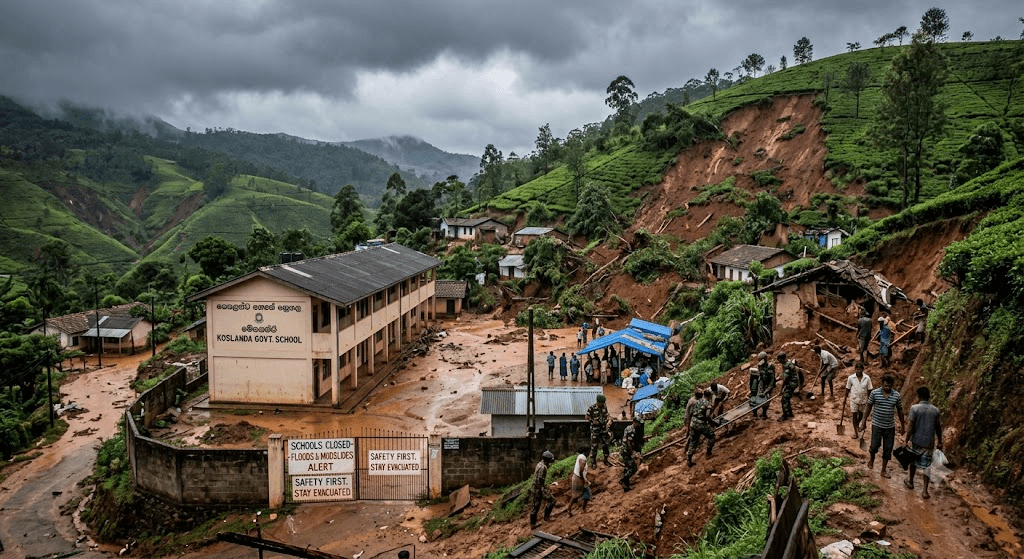
COLOMBO, Sri Lanka — Authorities in Sri Lanka have ordered the immediate closure of schools across the country's central highlands following days of heavy monsoon downpours that triggered devastating flash floods and fatal mudslides, resulting in at least seven confirmed deaths.
The disaster has struck the mountainous tea-growing belt of the island nation, compounding the challenges faced by communities still recovering from previous weather disruptions. The Disaster Management Centre (DMC) reported that torrential rains over the past 48 hours have inundated homes, agricultural fields, and critical transportation routes. Tragically, five victims lost their lives when massive mudslides overran two houses, while two others were killed in flood-related incidents.
Pradeep Kodippili, a spokesperson for the DMC, confirmed that several individuals sustained injuries, and nearly 3,500 residents have been evacuated to emergency relief shelters as floodwaters continue to rise. The impact of the floods has been severe, with at least 129 homes suffering structural damage. Major roads across districts such as Nuwara Eliya and Badulla remain blocked by mudflows, uprooted trees, and fallen power lines, complicating rescue efforts.
In response to the escalating crisis, the Sri Lankan government has deployed Army and Navy personnel to conduct search-and-rescue operations. Emergency crews are utilizing specialized boats to navigate flooded streets and rescue families trapped inside submerged homes. The situation remains precarious, with continuous rainfall exacerbating the conditions.
Education officials have mandated the closure of all schools in the worst-affected central districts until weather conditions stabilize and safety assessments of school buildings can be conducted. This decision underscores the urgency of ensuring student safety amid the ongoing crisis.
The severe weather comes as Sri Lanka grapples with the lingering aftermath of Cyclone Ditwah, which struck the region late last year, resulting in nearly 640 fatalities and causing billions in infrastructure damage. The current disaster has prompted the DMC to issue high-level landslide alerts for surrounding hill slopes, urging residents in low-lying and risk-prone areas to remain vigilant and adhere strictly to evacuation orders.
Humanitarian agencies and local volunteer groups have begun mobilizing emergency supplies, distributing clean water, dry food rations, and medical assistance to temporary displacement centers. However, relief efforts are being severely hindered by continuous rains and damaged infrastructure, leaving several remote villages in the highlands temporarily cut off from primary transport networks. State officials have announced that emergency funds are being cleared to accelerate cleanup operations on vital roadways, although meteorologists warn that persistent rain forecast for the coming days could further delay recovery efforts and elevate the risk of secondary landslides.
As the situation develops, the focus remains on ensuring the safety of affected residents and restoring normalcy in the impacted regions of Sri Lanka.
Published by Banx Network. This article is part of the Banx decentralized media programme, powered by the BXE token on the XRP Ledger.




