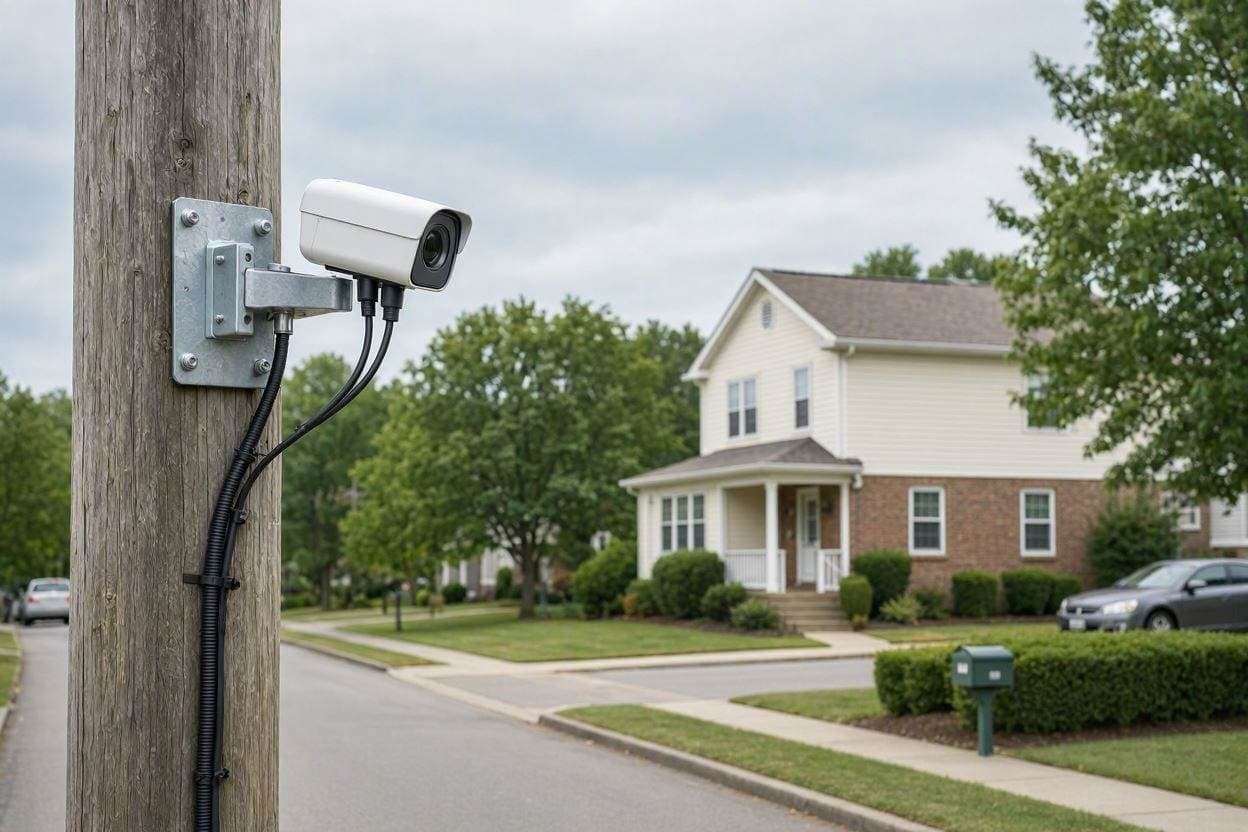
In the modern landscape of public safety, visibility is often equated with security. Across American cities and suburbs, small, solar-powered devices mounted on poles and streetlights are quietly observing the flow of traffic. These are Flock Safety cameras, automated license plate readers that have become a ubiquitous yet controversial tool for law enforcement. While police departments praise their efficacy in solving crimes, a growing chorus of citizens raises concerns about privacy and surveillance. This divergence invites reflection on the balance between collective safety and individual liberty. It is a moment to consider how technology reshapes the social contract in an increasingly digital age.
Flock Safety has rapidly expanded its network, claiming to process billions of license plate reads each month. For investigators, these cameras provide a powerful resource, allowing them to track vehicles involved in thefts, kidnappings, and other serious offenses. The ability to reconstruct a vehicle’s movements with precision has led to numerous arrests and recoveries. From a policing perspective, the technology offers clarity in a complex world, turning anonymous traffic into actionable data.
However, for many residents, the pervasive presence of these cameras feels intrusive. Critics argue that the constant monitoring creates a dragnet effect, capturing the movements of innocent citizens alongside those of suspects. The lack of warrants for data collection in many jurisdictions raises legal and ethical questions. Privacy advocates warn that such systems can be misused, potentially enabling stalking or disproportionate targeting of specific communities. The feeling of being watched, even if not directly observed, alters the sense of freedom in public spaces.
Recent incidents have heightened these concerns. Reports of officers using the system for personal reasons, such as tracking ex-partners, have eroded trust. In response, some major police departments, including the LAPD, have suspended their use of Flock cameras pending review. Legislative efforts are also underway, with bills proposed to restrict federal funding for agencies that deploy such technology without strict safeguards. These actions reflect a societal pushback against unchecked surveillance.
The debate is not merely about technology but about values. How much privacy are we willing to sacrifice for security? Who controls the data, and how long is it retained? Flock Safety argues that its systems are designed with privacy in mind, focusing only on license plates and not facial recognition. Yet, the aggregation of location data over time can reveal intimate details about a person’s life, from medical visits to religious affiliations. The potential for abuse remains a significant concern.
As communities grapple with these issues, dialogue becomes essential. Town halls and city council meetings are becoming forums for discussing the role of surveillance in local policing. Residents are demanding transparency, accountability, and clear policies on data usage. This engagement is crucial for ensuring that technology serves the public interest rather than undermining it. Trust must be earned through responsible practice.
Flock Safety cameras have sparked a nationwide debate between law enforcement efficiency and citizen privacy. While police value the tools for crime-solving, growing concerns over misuse and surveillance are leading to suspensions and legislative restrictions. The hope is for balanced policies that protect both safety and civil liberties.
AI Image Disclaimer: The visual elements accompanying this report are AI-generated interpretations designed to reflect the technological and societal context of the story.
Sources: The Guardian Los Angeles Times Stateline
Published by Banx Network. This article is part of the Banx decentralized media programme, powered by the BXE token on the XRP Ledger.