To map the universe is to chart the unknown, a task that requires both patience and powerful tools. The Sloan Digital Sky Survey (SDSS), one of the most ambitious astronomical projects in history, has released its latest trove of data, shedding light on some of the most enigmatic objects in the cosmos: supermassive black holes. Data Release 20 provides an unprecedented all-sky view, allowing scientists to study these gravitational giants with greater clarity and scope than ever before.
Supermassive black holes reside at the centers of most galaxies, including our own Milky Way. They influence the evolution of their host galaxies through feedback mechanisms that regulate star formation and gas dynamics. By observing the light from matter as it spirals into these black holes, astronomers can infer their mass, spin, and activity levels. The SDSS-V project uses spectroscopy to break down this light into its constituent colors, revealing the chemical composition and motion of the gas.
This latest release includes spectra from hundreds of thousands of quasars, the bright, active nuclei of distant galaxies powered by supermassive black holes. The data covers a significant portion of the sky, providing a three-dimensional map of the universe’s structure. It allows researchers to trace the distribution of black holes over cosmic time, offering clues about how they grew and merged in the early universe.
One of the key findings from the data is the diversity of black hole activity. Some are voracious eaters, consuming large amounts of gas and shining brightly, while others are relatively quiet. Understanding this variation helps scientists model the lifecycle of black holes and their role in galaxy formation. The data also reveals instances of binary black holes, systems where two black holes orbit each other, providing insights into gravitational wave sources.
The SDSS-V project employs a unique strategy of repeated observations, allowing it to detect changes in black hole brightness over time. This variability can indicate events such as tidal disruption, where a star is torn apart by a black hole’s gravity. By monitoring these changes, astronomers can identify rare and transient phenomena that would otherwise go unnoticed in single-epoch surveys.
The accessibility of the data is another major advantage. SDSS makes its findings available to the global scientific community, fostering collaboration and innovation. Researchers from around the world use the data to test theories, discover new objects, and refine our understanding of cosmology. It democratizes astronomy, enabling scientists with diverse backgrounds to contribute to the field.
Data Release 20 from SDSS-V marks a significant milestone in our exploration of the universe. By unveiling the all-sky views of supermassive black holes, it opens new avenues for research and discovery. As we continue to analyze this wealth of information, we move closer to understanding the fundamental forces that govern the cosmos.
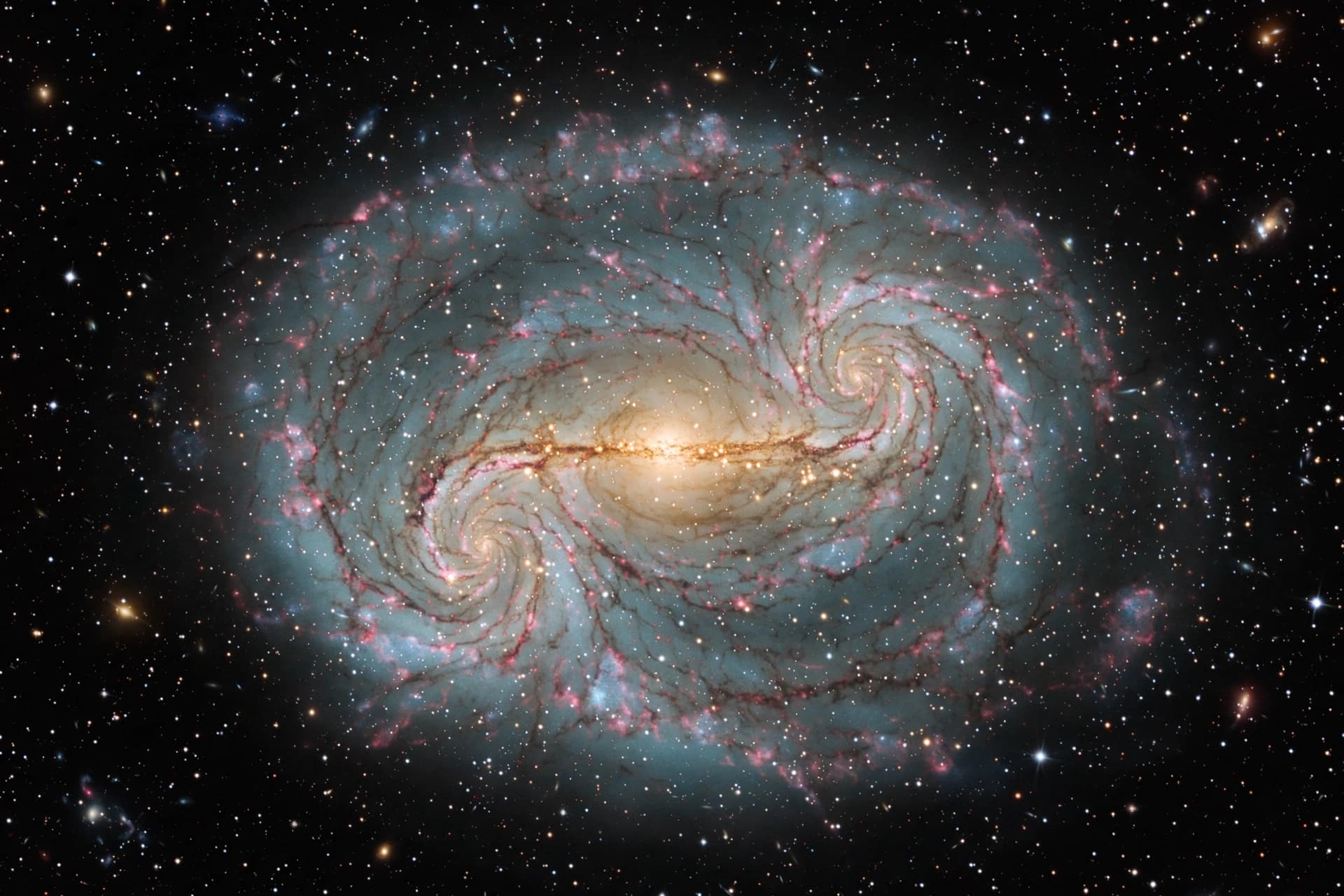
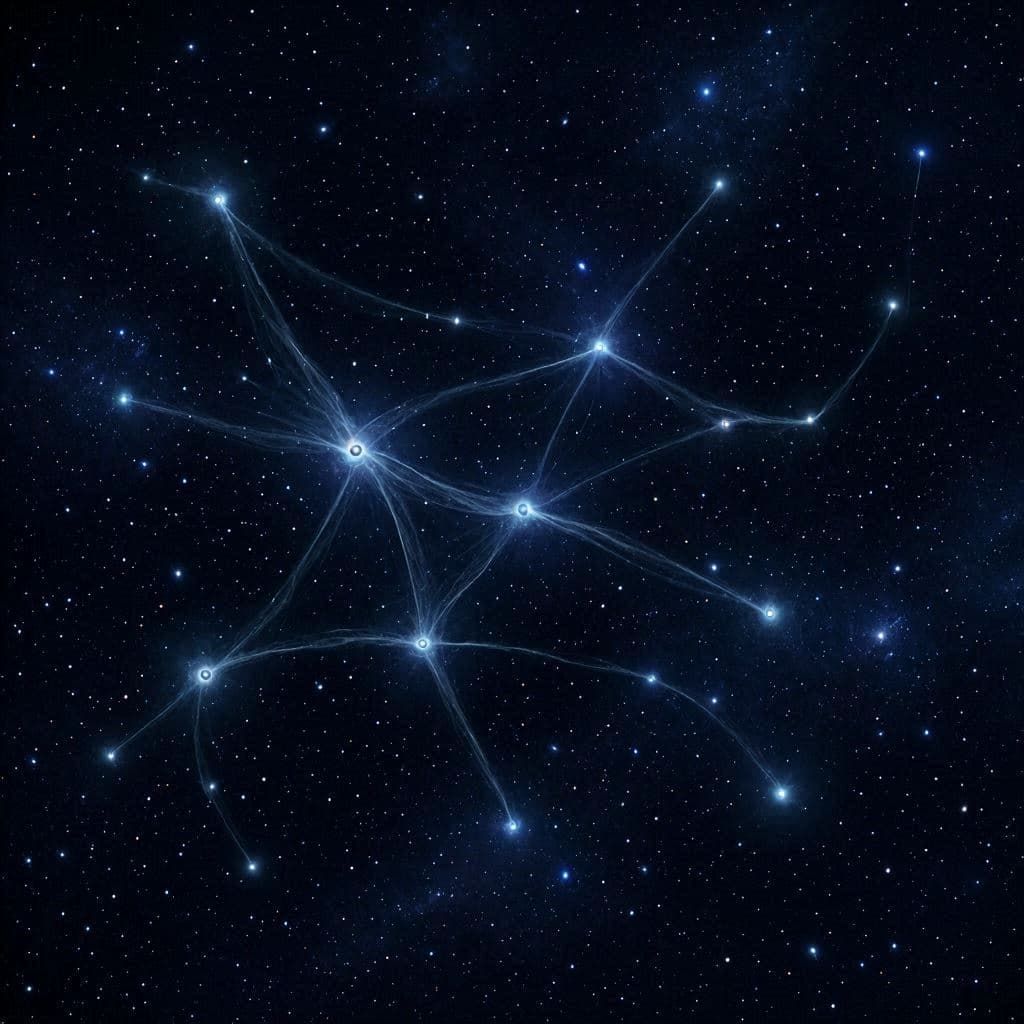
AI Image Disclaimer: The images provided are AI-generated to visually represent the scientific and astronomical themes of the SDSS-V data release.
Sources: Sloan Digital Sky Survey Nature Astronomy Science Daily
Published by Banx Network. This article is part of the Banx decentralized media programme, powered by the BXE token on the XRP Ledger.