DECENTRALIZED MEDIA IS LIVE POWERED BY
Banx Media Platform logo
TECHNOLOGY

Data About Data, and the Half-Truths We Pretend Are Precise

Internet metrics look precise, but researchers say they’re stitched from partial vantage points. Measuring a globally shifting network remains a fundamentally incomplete science.

M

Mene K

EXPERIENCED
1 min read
16 Views
Credibility Score: 84/100
Data About Data, and the Half-Truths We Pretend Are Precise

We talk about the Internet as if it is a solid object. But the Internet is not a building — it is a weather system. Packets shift, servers fail, content routes around catastrophe, and latency floats like heat shimmer off desert asphalt. Measuring such a thing is like trying to pin a centimeter ruler onto a moving cloud. Numbers appear concrete, but the landscape is liquid.

Researchers warn us about this subtle trap: every metric we use to define the Internet is biased by the vantage point doing the measuring. A telco sees one shape of reality, a content delivery network sees another. A regulator sees lagging indicators, while a hyperscale cloud operator sees microsecond traces at continental edge nodes. We call these all “the Internet,” but they are slices, not the whole.

The public imagines that when we quote “average speeds” or “global traffic share,” these are universal truths. In reality, these metrics are stitched from partial mirrors. A speed test in Jakarta at 7 p.m. tells one truth. The same test at 2 a.m. in Frankfurt tells another. Stack enough partial truths, polish them with language, and the world begins to mistake the collage as a map.

The industry still struggles with a philosophical core: do we measure infrastructure, or do we measure experience? One number tells us the physics of backbone fiber. Another number tells us how a teenager in Nairobi feels inside a video stream that buffers twice before frame two. Both are real. But they are not the same.

AI Image Disclaimer (rotated wording) Visuals are created with AI tools and are not real photographs.

Sources MIT Technology Review Wired

Published by Banx Network. This article is part of the Banx decentralized media programme, powered by the BXE token on the XRP Ledger.

#Tech#Internet#DATA
Decentralized Media

Powered by the XRP Ledger & BXE Token

This article is part of the XRP Ledger decentralized media ecosystem. Become an author, publish original content, and earn rewards through the BXE token.

Newsletter

Stay ahead of the news — and win free BXE every week

Subscribe for the latest news headlines and get automatically entered into our weekly BXE token giveaway.

No spam. Unsubscribe anytime.

Share this story

Help others stay informed about crypto news

Related articles

Keep exploring the latest stories.

View more
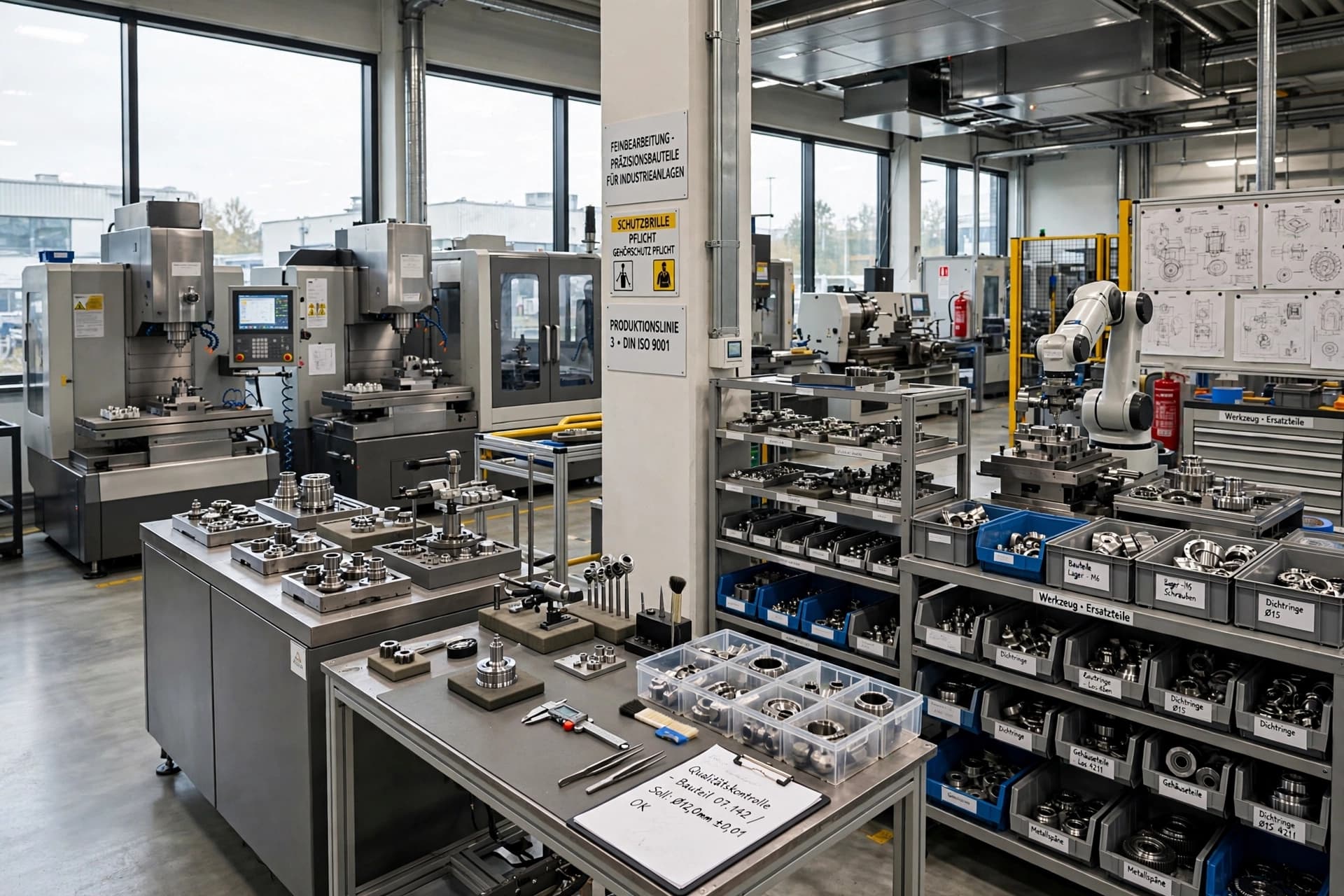
 1\. As Artificial Intelligence Reshapes Global Demand, German Manufacturers Find New Opportunities Amid Europe’s Uneven Industrial Recovery and Economic Change

1\. As Artificial Intelligence Reshapes Global Demand, German Manufacturers Find New Opportunities Amid Europe’s Uneven Industrial Recovery and Economic Change

German manufacturing continued expanding in September, supported by rising production and new orders, while demand linked to technology investment offered addi…

South Korea Advances FA-50 Toward Collaborative Combat With KAI’s AAP Drone Wingman

South Korea Advances FA-50 Toward Collaborative Combat With KAI’s AAP Drone Wingman

Korea Aerospace Industries flew its AAP drone alongside an FA-50, demonstrating close formation flight as a step toward crewed-uncrewed teamwork.

* Beneath Indonesia’s Open Skies, Researchers and Investors Explore the Quiet Architecture of a More Connected Digital Future

* Beneath Indonesia’s Open Skies, Researchers and Investors Explore the Quiet Architecture of a More Connected Digital Future

Indonesia is promoting the Kura-Kura Bali Special Economic Zone as a regional AI and semiconductor research hub, supported by cooperation with China’s Tsinghua…