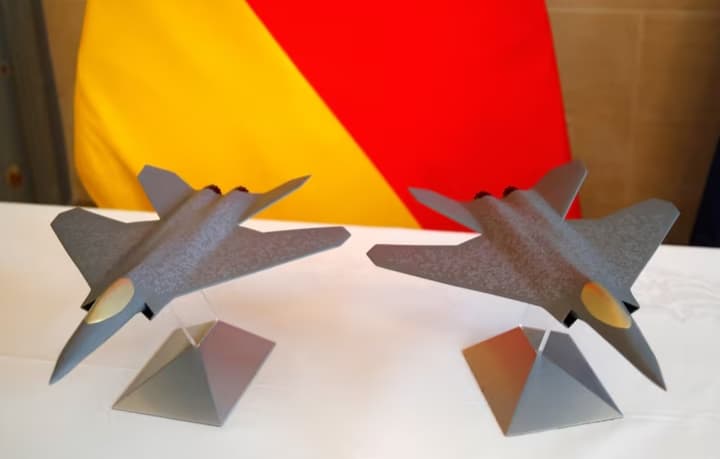
The Future Combat Air System (FCAS) fighter jet program, a collaborative effort between France, Germany, and Spain, is facing considerable uncertainties. The CEO of Dassault Aviation, the French aerospace company leading the project, indicated that various hurdles could impact the program's timeline and feasibility.
In an interview, the CEO highlighted issues such as differences in strategic priorities among partner nations and concerns over funding allocations. These factors, alongside the complexities of developing cutting-edge technology, have fueled doubts about whether FCAS will proceed as planned.
The FCAS program aims to create a next-generation fighter jet that can operate alongside drone fleets and other combat systems, marking a significant leap in military capabilities. However, the challenges posed by international cooperation and technological advancements have led to a reassessment of project timelines.
Despite the setbacks, defense experts emphasize the importance of maintaining momentum in the program to ensure Europe remains competitive in global defense. National defense policies and increasing geopolitical tensions may also play a role in shaping the future of the FCAS initiative.
As discussions continue, stakeholders from all three nations will need to address these concerns to move forward effectively. The future of the FCAS program remains uncertain, but its potential impact on European defense is undeniable.
Published by Banx Network. This article is part of the Banx decentralized media programme, powered by the BXE token on the XRP Ledger.