
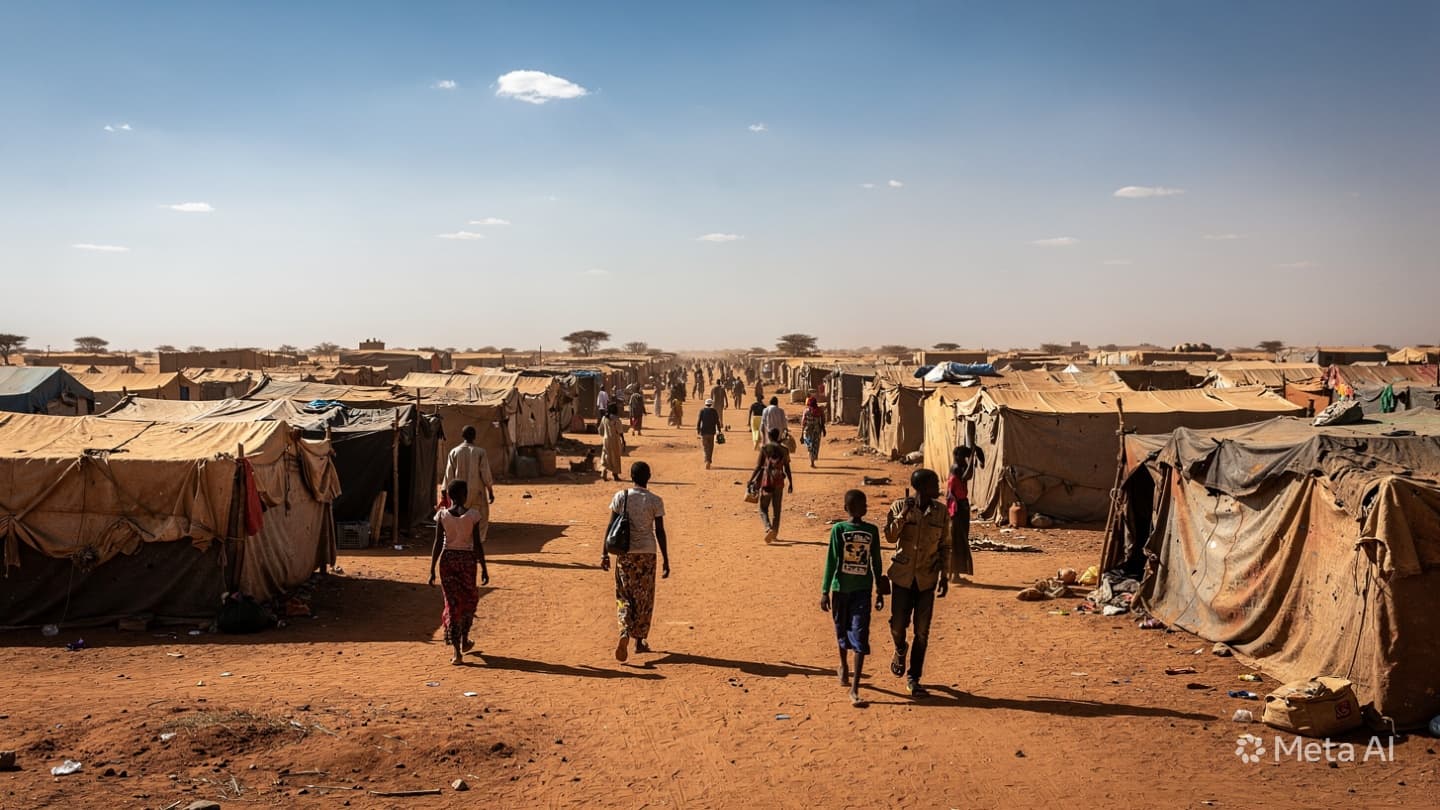
Key Highlights
- Nearly 20 million people in Sudan face severe hunger due to ongoing conflict.
- 135,000 individuals are classified as experiencing catastrophic food insecurity.
- Humanitarian aid efforts are severely hampered by bureaucratic hurdles and violence.
The humanitarian crisis in Sudan has reached alarming levels, with nearly twenty million people now facing severe hunger as conflict continues to ravage the nation. The ongoing violence has devastated agricultural production and dismantled essential infrastructure, leaving many unable to access food. Farmers are unable to reach their fields due to the risks posed by armed groups, while critical supply routes remain blocked, exacerbating the food crisis as the lean season approaches.
Children are disproportionately affected by this crisis, with medical facilities reporting a significant increase in cases of severe acute malnutrition among children under five. Health workers describe harrowing scenes in makeshift clinics, where mothers bring in toddlers too weak to cry from hunger. The overwhelming demand for therapeutic food far exceeds the available supply, leaving many children at risk of starvation.
Statistics from humanitarian organizations reveal a dire situation, with at least 135,000 individuals currently classified as experiencing catastrophic food insecurity. This classification indicates that people are already dying from a lack of access to food. Without immediate international intervention to secure supply lines, this number is expected to rise dramatically before the end of the year.
Efforts to deliver aid are hindered by bureaucratic obstacles and ongoing violence. Trucks filled with essential supplies remain stranded at borders as authorities engage in protracted negotiations over permits and access. Each day that passes without aid is a day lost for families who have exhausted all means of survival. The disconnect between urgent field reports and the slow political response is proving fatal for many.
The economic landscape in Sudan has also deteriorated significantly, with large areas of the country cut off from commercial activity. Markets that once provided food and resources have been looted or destroyed, leading to skyrocketing prices for the limited food that remains. In many displaced persons camps, barter has replaced currency, but even this system is faltering as supplies dwindle.
International funding for humanitarian efforts in 2026 is alarmingly low compared to the needs outlined by aid organizations. Many planned food distribution programs have been canceled or drastically reduced due to a significant budget shortfall. As donors redirect their attention elsewhere, Sudan is left to confront a crisis that is largely a result of human actions, with the neglect of the international community proving as deadly as the violence itself.
Health professionals emphasize that the hunger crisis is intricately linked to the collapse of medical infrastructure. Malnutrition has made the population more susceptible to diseases that spread rapidly in overcrowded displacement camps. The scarcity of clean water and inadequate sanitation facilities further complicate the situation, creating a vicious cycle that cannot be resolved with food aid alone.
As the lean season progresses, the coming months are expected to be the most challenging yet. Without a significant shift in the ongoing conflict, the risk of famine will only escalate. There are currently no signs of a political resolution that would allow for the free flow of aid, leaving local communities in a state of desperation as they await a solution that seems increasingly out of reach.
Published by Banx Network. This article is part of the Banx decentralized media programme, powered by the BXE token on the XRP Ledger.



