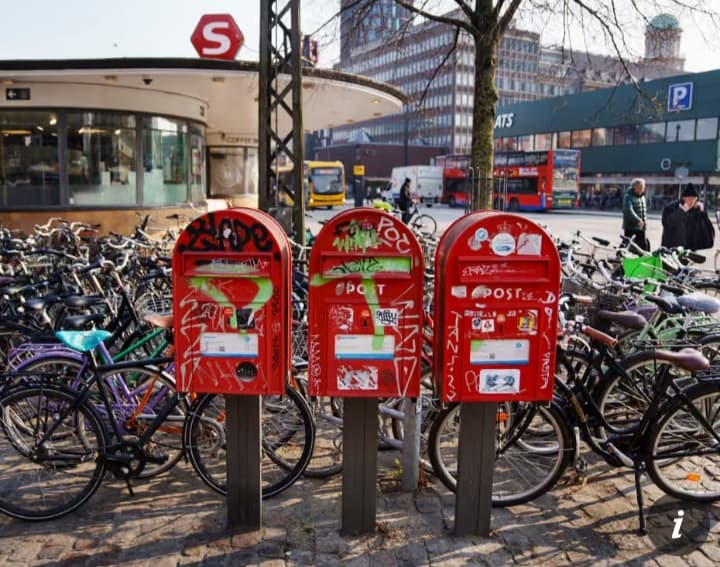
In a groundbreaking development, the Danish Postal Service has revealed plans to discontinue the delivery of letters, a service that has been in operation for more than 400 years. The transition comes as part of a broader strategy to adapt to the evolving landscape of communication, where electronic methods have largely supplanted traditional mail.
This decision, which is expected to take effect in the coming months, aims to allocate resources towards improving service offerings in parcels and logistics, areas that have seen significant growth due to the rise of e-commerce. The shift will also allow the postal service to focus on enhancing digital services, which have become increasingly important in a world dominated by technology.
Many citizens have expressed mixed feelings about the end of letter delivery. While some embrace the convenience of digital communication, others cherish the personal touch of handwritten letters. The postal service has assured the public that it will continue to provide essential services such as package delivery, which remains crucial for both individuals and businesses.
The history of letter delivery in Denmark is rich and storied. Established in the early 17th century, the Danish Postal Service played a pivotal role in connecting communities and facilitating trade. Over the years, it has adapted to various changes, from the introduction of stamps to the implementation of modern sorting technologies.
As the world shifts further towards digital communication, the Danish Postal Service's decision aligns with similar trends observed in other countries. Many postal services globally are reevaluating their operations and focusing on sustainable practices in response to declining letter volumes.
In conclusion, while the end of letter delivery marks the conclusion of a significant chapter in Danish history, it also opens up new avenues for innovation and improvement in the postal sector. The Danish Postal Service is committed to evolving with the times and continuing to serve its customers effectively in a rapidly changing world.
Published by Banx Network. This article is part of the Banx decentralized media programme, powered by the BXE token on the XRP Ledger.