
Key Highlights
- Announcement:President Daniel Ortega declares an end to elections in Nicaragua.
- Context:The statement was made during the 47th anniversary of the Sandinista revolution.
- Implications:New laws will be drafted to prevent opposition influence.
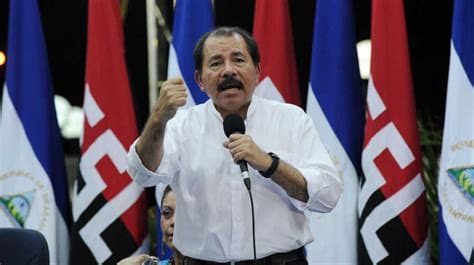
Nicaragua’s President Daniel Ortega has made a significant announcement stating that the country will no longer hold elections. This declaration was made during celebrations marking the 47th anniversary of the Sandinista revolution, a pivotal moment in Nicaragua's history. Ortega's statement, which included the phrase “be no more elections here,” indicates a drastic shift in the political landscape of the nation, where he has maintained power since 2007.
Ortega's remarks come in the context of ongoing tensions within Nicaragua, where he has faced criticism for his authoritarian governance. He described the need for new laws to prevent what he termed “coup plotters and traitors” from regaining influence in the government. This rhetoric suggests a further consolidation of power by Ortega and his administration, as he seeks to eliminate any potential challenges to his rule.
The implications of Ortega's announcement are profound. Previously, elections were scheduled to take place in 2027, but this new directive effectively nullifies any plans for democratic processes in the near future. Critics of Ortega have long accused him of undermining democracy, and this latest move is likely to exacerbate concerns about human rights and political freedoms in Nicaragua.
The Sandinista revolution, which Ortega commemorated during his speech, was a significant event that led to the overthrow of the Somoza dictatorship in 1979. Ortega, who was a key figure in that revolution, has since transformed from a revolutionary leader to a controversial president accused of authoritarianism. His government has faced international condemnation for its crackdown on dissent and opposition.
As Nicaragua moves forward without the prospect of elections, the international community will be watching closely. The potential for increased unrest and civil disobedience may rise as citizens react to the loss of their electoral rights. The situation poses a challenge not only for Ortega but also for the stability of the region, as neighboring countries observe Nicaragua's political trajectory.
In summary, Ortega's declaration marks a critical juncture in Nicaraguan politics, signaling a shift away from democratic practices and raising questions about the future of governance in the country. The absence of elections could lead to increased tensions both domestically and internationally, as the implications of this decision unfold.
Published by Banx Network. This article is part of the Banx decentralized media programme, powered by the BXE token on the XRP Ledger.



