In the intricate web of modern food distribution, where produce travels thousands of miles from field to fork, a single point of contamination can ripple outward with startling speed. The recent surge in cyclosporiasis cases serves as a gentle but firm reminder of the delicate balance between convenience and safety. As summer brings fresh salads and vibrant vegetables to our tables, an invisible parasite has found its way into the supply chain, affecting communities across several states and prompting a renewed focus on the origins of our food.
This outbreak is not merely a statistical anomaly but a public health challenge that invites reflection on how we source, handle, and consume the foods we love. It underscores the importance of vigilance and transparency in an industry that strives to feed a nation while navigating the complexities of global agriculture.
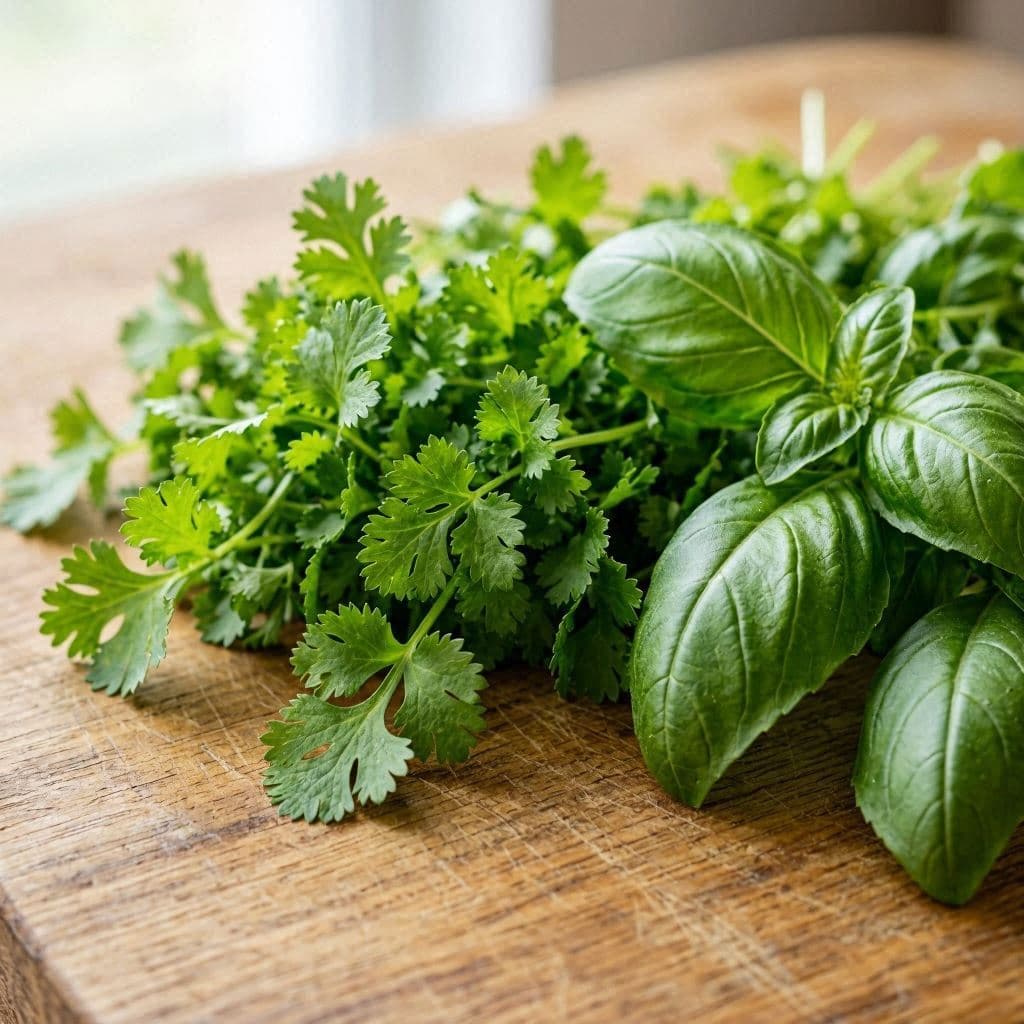
Body: The Centers for Disease Control and Prevention (CDC) has reported a significant increase in cyclosporiasis cases, linking the outbreak to fresh produce distributed in multiple regions. Initially identified in a few states, the cluster has now expanded to include four additional states, bringing the total number of affected areas to over a dozen. Cyclospora cayetanensis, the parasite responsible for the illness, is typically transmitted through contaminated water or soil, often affecting imported crops such as cilantro, basil, and leafy greens.
Symptoms of cyclosporiasis can be severe and prolonged, including watery diarrhea, loss of appetite, weight loss, and fatigue. Unlike some other foodborne illnesses, symptoms may not appear for a week or more after exposure, making it difficult for individuals to trace the source of their infection. This delay complicates efforts to identify the specific batch of produce responsible, requiring epidemiologists to piece together clues from patient interviews and purchase histories.
Health officials are working closely with the Food and Drug Administration (FDA) and state agencies to investigate the supply chain. While no single brand or retailer has been definitively identified as the sole source, preliminary data suggests that the contamination may have occurred at the farm level or during processing. Investigators are examining irrigation practices, worker hygiene, and transportation conditions to pinpoint where the breach in safety occurred.
For consumers, the outbreak highlights the importance of washing fruits and vegetables thoroughly, although it is important to note that Cyclospora can be resistant to standard rinsing methods. Cooking produce can kill the parasite, but many of the affected items, such as herbs and salad greens, are often consumed raw. This limitation places a greater burden on producers and regulators to ensure that food is safe before it reaches the market.
The expansion of the outbreak to four new states indicates that the contaminated product was widely distributed, likely through large-scale distributors that serve multiple regions. This interconnectedness means that a local issue can quickly become a national concern. It also demonstrates the effectiveness of surveillance systems that allow health departments to share data and detect patterns across state lines.
Restaurants and grocery stores in the affected areas have been advised to review their supply sources and consider temporarily removing certain high-risk items from their menus or shelves. Some establishments have voluntarily paused the use of fresh herbs until further guidance is provided. These precautionary measures, while disruptive, are essential for preventing further infections and protecting public health.
Closing: As the investigation continues, the focus remains on identifying the source and implementing corrective actions to prevent future occurrences. For now, consumers are encouraged to stay informed about recall notices and to practice good food safety habits. The outbreak serves as a reminder that behind every meal is a complex journey, and ensuring its safety requires constant attention and cooperation from all involved.
AI Image Disclaimer: Please note that any visual illustrations accompanying this text are AI-generated interpretations designed to evoke the thematic context of food safety and public health, and do not depict actual photographs of specific produce batches or laboratory settings.
Sources: Centers for Disease Control and Prevention (CDC) Food and Drug Administration (FDA) NBC News USA Today
Published by Banx Network. This article is part of the Banx decentralized media programme, powered by the BXE token on the XRP Ledger.

.jpg&w=3840&q=75 "Qantas Grounds Plane After Passengers Report Bedbug Bites")