Key Highlights
- Incident:Albert Heijn faced significant disruptions due to a cybersecurity incident in October 2026.
- Impact:The incident affected product availability and online grocery services across its network.
- Recovery:Ahold Delhaize is working to restore systems while ensuring data security.
In October 2026, Albert Heijn, one of the Netherlands’ largest supermarket chains, encountered a major disruption following a cybersecurity incident that impacted systems managed by its parent company, Ahold Delhaize. As a precautionary measure, the company took several IT systems offline while it investigated the breach. This incident not only disrupted supermarket operations but also affected related businesses, including the drugstore chain Etos and liquor retailer Gall & Gall.
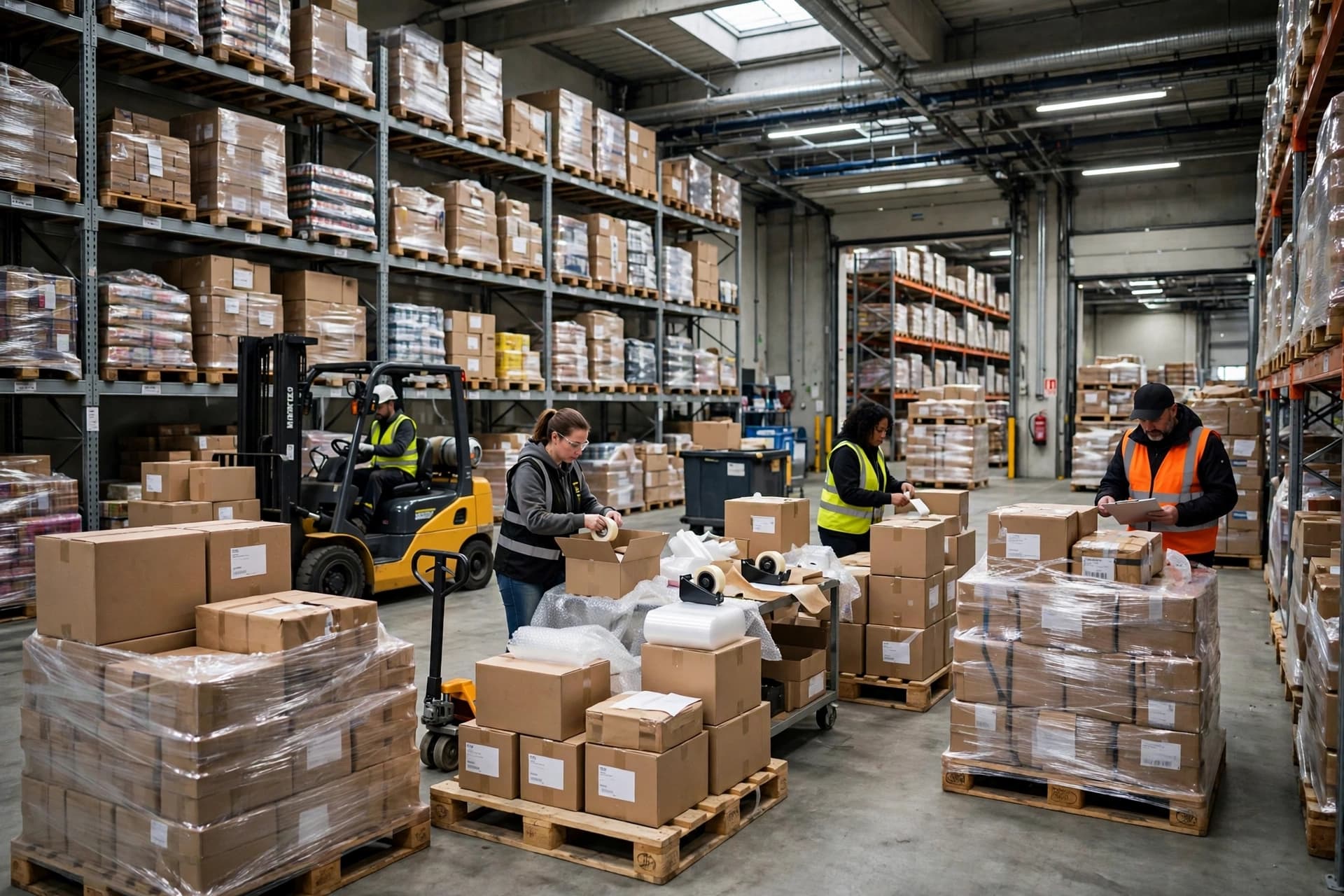
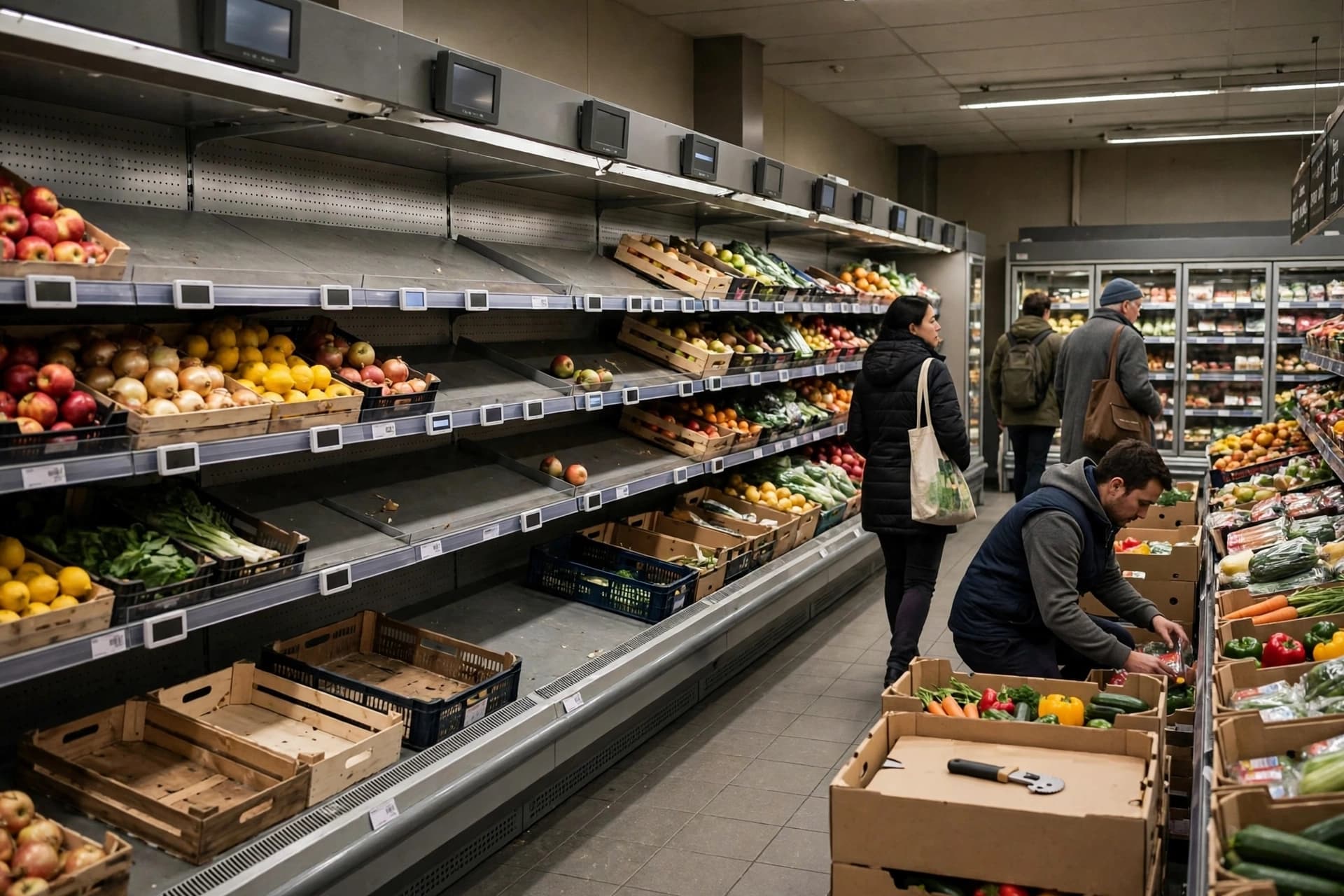
The consequences of the incident quickly became apparent in stores. Distribution centers experienced interruptions, leading to product shortages and delayed deliveries to supermarkets. Fresh produce was particularly at risk of becoming scarce, and online grocery orders faced significant disruptions, leaving customers with fewer options than usual. This incident highlighted the vulnerabilities in a retail network that relies heavily on both physical stores and digital services.
Initially, the company characterized the situation as a security issue rather than providing a detailed account of how attackers gained access to its systems. Dutch cybersecurity experts reported that suspicious network traffic had been detected, prompting the shutdown of systems to prevent further intrusion. At that point, the exact method of access and the full extent of the damage remained unclear, raising concerns about the potential impact on customer and employee data.
As the investigation progressed, Ahold Delhaize began to restore selected systems. On October 13, the company announced that it had found no evidence of stolen customer, employee, or third-party data, offering some reassurance to stakeholders. However, the investigation was ongoing, and the company continued to collaborate with internal teams and external cybersecurity specialists to fully understand the incident and ensure safe system restoration.
Restoring a supermarket network is a complex process that involves more than simply turning computers back on. Ordering systems must effectively communicate with warehouses, inventory records need to accurately reflect available products, and distribution centers must coordinate deliveries to individual stores. This controlled restart process can take time, especially when ensuring the integrity of systems to avoid further complications.
By October 14, Albert Heijn reported that it expected its distribution centers to be operational again, following intensive overnight efforts. This marked a shift from immediate disruption toward recovery, although the effects on product availability and customer services would not disappear instantly. The incident underscored how a disruption in centralized technology can impact customers who may not directly see the systems responsible for the delays.
Interestingly, the incident coincided with separate cyberattacks affecting supermarket refrigeration systems in France. However, the Dutch National Cyber Security Centre stated that there was no evidence to suggest a connection between the Dutch incident and those occurring in other countries. This distinction is crucial, as similar disruptions do not automatically imply a shared cause, and investigators must establish evidence before linking separate incidents.
For retailers, this episode highlighted the critical importance of safeguarding the systems that connect suppliers, warehouses, stores, and customers. Security planning now encompasses not only the protection of payment details and customer records but also the maintenance of essential business operations when digital services become unavailable. Albert Heijn’s recovery efforts illustrated the practical work involved in restoring these vital connections while the investigation continued to assess the original incident and its implications.
Published by Banx Network. This article is part of the Banx decentralized media programme, powered by the BXE token on the XRP Ledger.