
Key Highlights
- Incident:A train derailment in Oaxaca, Mexico, resulted in 13 fatalities and nearly 100 injuries.
- Response:Emergency services, including naval and army units, were deployed for rescue efforts.
- Investigation:The Attorney General’s Office has launched an investigation into the cause of the accident.
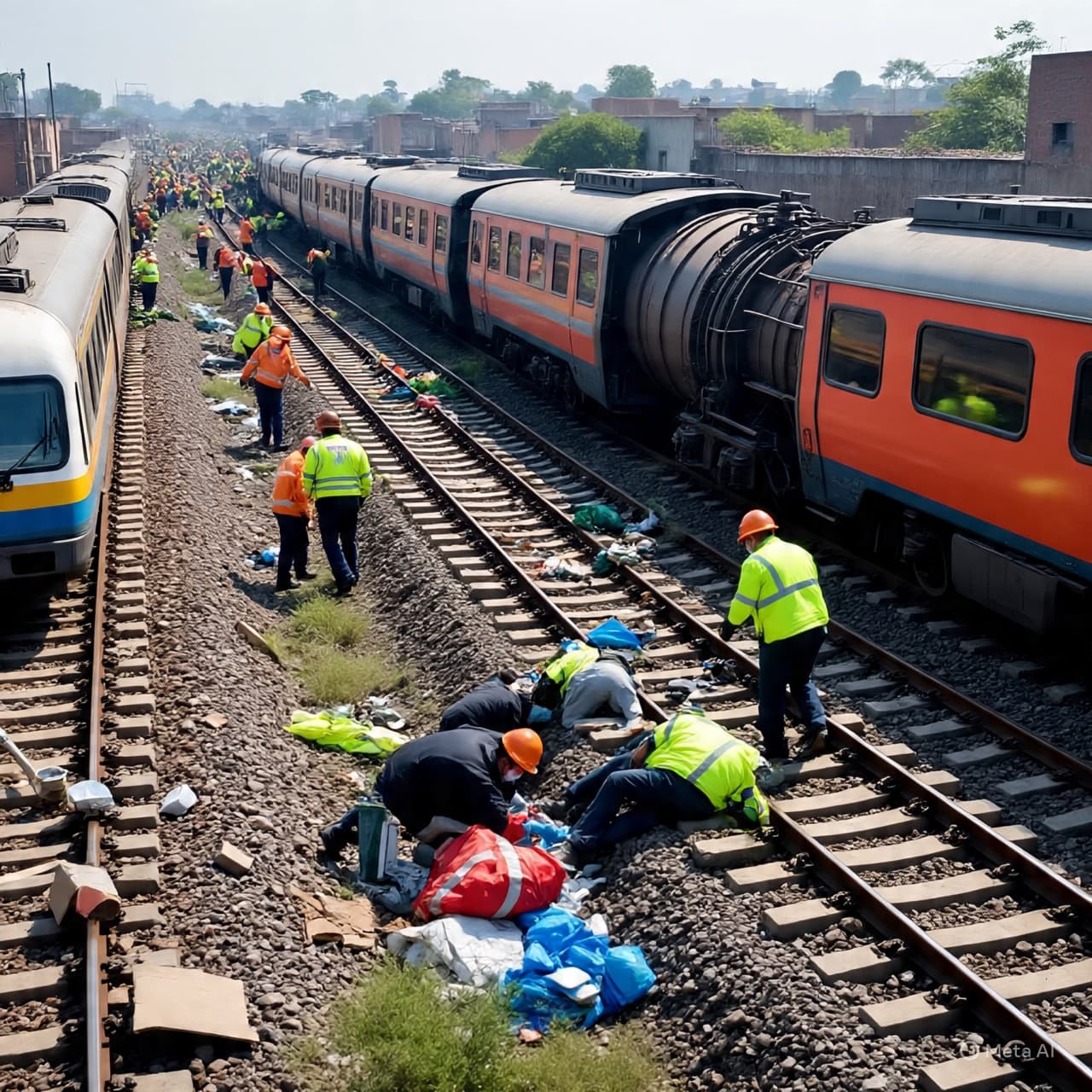
On a seemingly ordinary Sunday morning in the Oaxaca region of southern Mexico, a routine train journey turned into a devastating tragedy. The Interoceanic Train, which connects the Pacific port of Salina Cruz to Coatzacoalcos on the Gulf of Mexico, derailed near the town of Nizanda in Asunción Ixtaltepec, resulting in at least 13 deaths and nearly 100 injuries. The train was carrying approximately 241 passengers and 9 crew members when it lost control while navigating a curve, leading to the derailment of the primary locomotive and several carriages.
Emergency responders quickly arrived at the scene, including naval personnel, army units, and civil protection teams. They worked tirelessly to provide first aid, transport survivors from the wreckage, and rush the injured to local hospitals. Of the nearly 100 individuals injured, many received treatment on-site, while others were transported to medical facilities for more serious care. Reports indicate that several victims remain hospitalized with critical injuries, highlighting the severity of the incident.
In response to the tragedy, Mexican President Claudia Sheinbaum expressed her condolences to the families affected and directed high-level officials, including the Secretary of the Navy, to travel to Oaxaca to assist with rescue efforts and ensure that proper care is provided to those injured. The Attorney General’s Office has opened an investigation into the derailment, although authorities have yet to determine the definitive cause of the accident.
This tragic event has left many passengers and their families grappling with sudden grief and unanswered questions. The Interoceanic Train is part of a broader infrastructure initiative aimed at improving connectivity across the Isthmus of Tehuantepec, serving as an alternative trade route to the Panama Canal. However, this incident, which is one of several rail accidents in Mexico in recent years, has reignited concerns regarding safety standards and oversight on major transportation projects.
As the community of Oaxaca mobilizes resources to care for the injured and investigate the crash, families are left to confront the harsh reality that a journey intended to connect towns and foster economic growth has instead resulted in heartbreak and loss. The impact of this tragedy will resonate throughout the region as officials work to ensure that such incidents do not occur in the future.
Published by Banx Network. This article is part of the Banx decentralized media programme, powered by the BXE token on the XRP Ledger.



