The sun hangs low over the Persian Gulf, casting long, molten reflections across the waters where merchant ships glide silently through strategic channels. In distant boardrooms from New York to London, screens flicker with the latest updates—oil futures climbing, whispers of geopolitical tension pressing like the humid air over Hormuz. The world watches a delicate game unfold: former President Donald Trump has issued an ultimatum, while Iran has responded with a stark warning to close the Strait of Hormuz indefinitely if provoked.
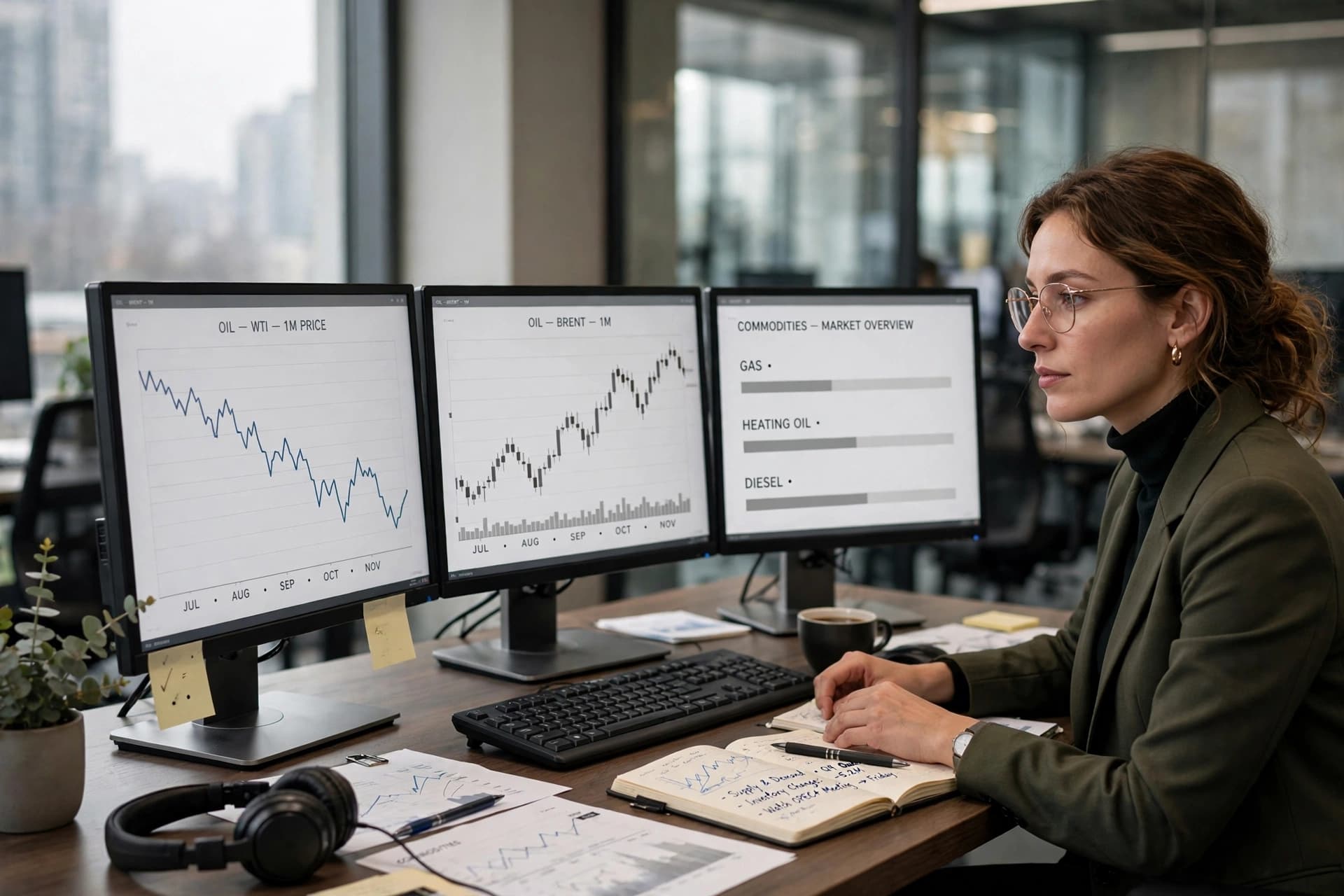
For traders, this is more than headlines; it is the rhythm of risk made tangible. Crude prices surged as the markets digested the potential for disruption along one of the busiest energy arteries on the planet. Even the seasoned brokers, who measure volatility in ticks and percentages, pause to reckon with the wider implications: a single strait, narrow yet pivotal, can ripple through global supply chains, stirring waves felt from refineries in Rotterdam to gas stations in California.
Beyond the numbers, there are human currents that accompany these tensions. Sailors steer vessels under the gaze of distant surveillance, oil workers anticipate operational slowdowns, and everyday consumers face the unseen consequences in prices and supply. The rhetoric between Washington and Tehran, sharp and resolute, carries an intangible weight—one that intertwines diplomacy, commerce, and the quiet anxieties of millions who rely on energy flows uninterrupted.
As evening descends, the markets remain in motion, yet there is a pause in the relentless rush—a reflective moment when the shimmer of commodities mirrors the uncertainty of policy. The ultimatum and counter-threats illuminate the fragility of global energy stability, reminding observers that the course of nations and the pulse of markets are inseparable, flowing together like currents beneath the Gulf’s restless surface.
AI Image Disclaimer Illustrations were created using AI tools and are not real photographs.
Sources Reuters Bloomberg Financial Times CNBC Wall Street Journal
Published by Banx Network. This article is part of the Banx decentralized media programme, powered by the BXE token on the XRP Ledger.