At the narrow mouth of the Persian Gulf, where currents fold into one another and tankers drift like slow-moving constellations, the water has taken on a different kind of tension. The Strait of Hormuz has always been a place of passage—oil, ships, silence—but now it feels like a pause, a held note in a longer, uncertain composition.
In recent days, that pause has been shaped by an ultimatum. Donald Trump has given Iran a 48-hour window to reopen the vital shipping corridor, warning that failure to do so could bring a new phase of escalation. The language, while direct, carries echoes of earlier moments when geography and power met in uneasy proximity—when narrow waterways became thresholds for something far larger.
The strait, through which a significant portion of the world’s oil supply moves each day, has long been both artery and pressure point. Any disruption there reverberates outward, touching markets, alliances, and distant economies that depend on its quiet continuity. Reports of blockades and threats to navigation have already unsettled shipping routes, with vessels hesitating at the edge of entry, their courses uncertain.
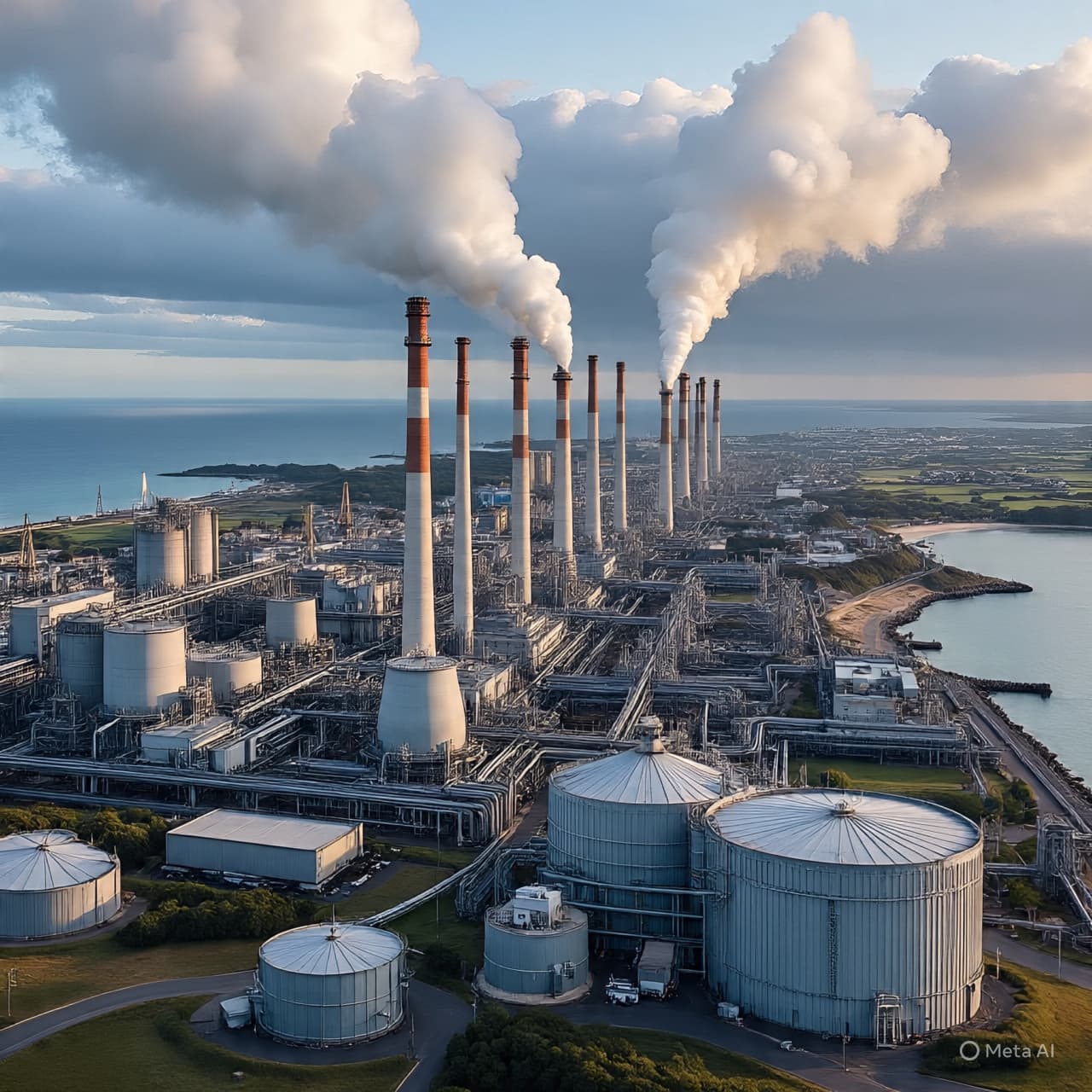
The ultimatum has been accompanied by warnings of potential strikes on Iranian infrastructure, including energy facilities and power plants. Such language, while framed in strategic terms, introduces a new dimension to a conflict that has already stretched across weeks—one marked by missile exchanges, regional tensions, and a widening circle of concern.
Across the region, the atmosphere has shifted in subtle but perceptible ways. In ports and capitals, conversations have taken on a quieter urgency. Allies, including United Kingdom, Japan, and Australia, have signaled their intention to contribute to safeguarding maritime routes, speaking of “appropriate efforts” that reflect both caution and commitment. Their involvement suggests a recognition that the strait is not merely a regional concern, but a shared passage whose stability underpins a broader global rhythm.
Meanwhile, Iran has shown little immediate sign of yielding to the timeline. Officials have framed their actions within a longer narrative of resistance and sovereignty, signaling that decisions will not be shaped solely by external deadlines. The result is a kind of temporal dissonance—one side counting down hours, the other measuring time in broader arcs.
Markets have responded in their own language, with energy prices reflecting the uncertainty that now hovers over supply routes. Yet beyond numbers, there is a quieter dimension: the human and logistical networks that rely on predictability, now adjusting to a horizon that feels increasingly unstable.
As the deadline approaches, the focus narrows. Diplomatic channels remain active, though largely out of view, their outcomes uncertain. Military postures, too, are being recalibrated, not with dramatic gestures but with incremental shifts—ships repositioned, alerts raised, contingencies reviewed.
In the end, the facts settle into place with a stark clarity. Donald Trump has issued a 48-hour ultimatum to Iran to reopen the Strait of Hormuz, warning of potential strikes on energy and power infrastructure if the blockade continues. Iran has not indicated compliance, and international partners are preparing measures to protect maritime traffic.
Beyond the deadlines and declarations, the strait remains where it has always been—narrow, essential, and quietly bearing the weight of decisions made far beyond its shores.
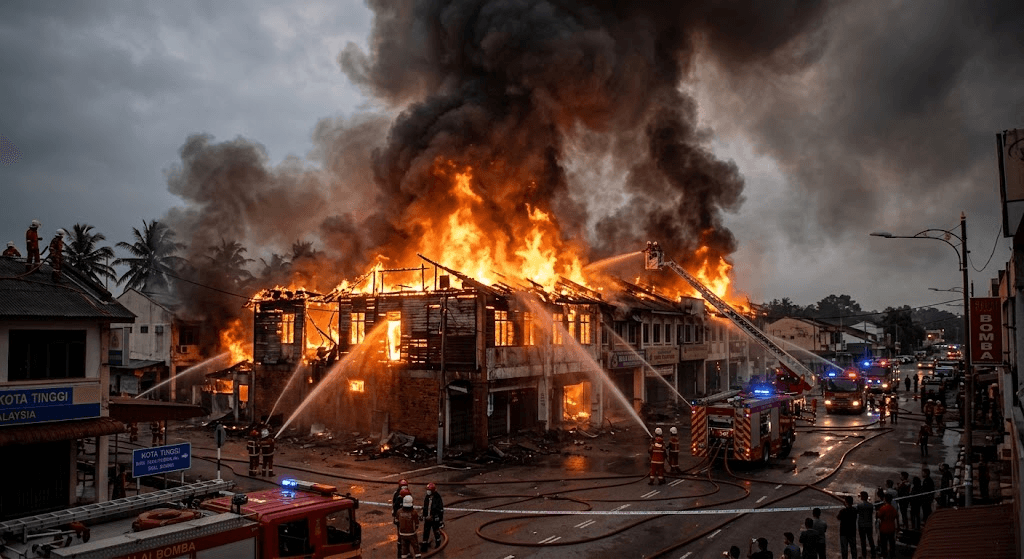
AI Image Disclaimer Visuals are AI-generated and serve as conceptual representations.
Sources Reuters BBC News The New York Times Al Jazeera Associated Press
Published by Banx Network. This article is part of the Banx decentralized media programme, powered by the BXE token on the XRP Ledger.