
Key Highlights
- UN Security Council:A Gulf-backed resolution is set for a vote.
- Rising Tensions:Increased conflict involving Iran threatens maritime security.
- Global Impact:The Strait of Hormuz is crucial for oil and gas supply chains.
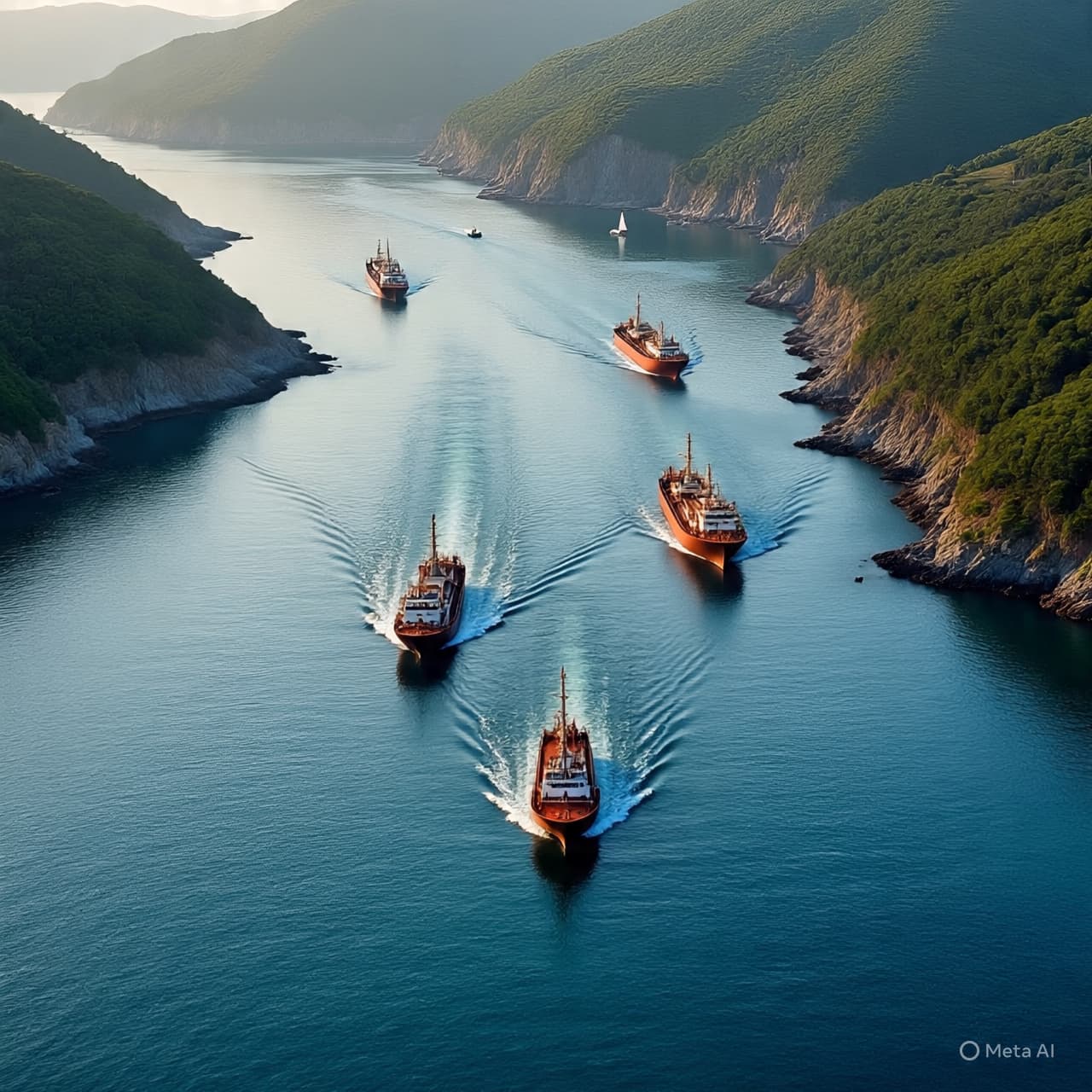
The Strait of Hormuz, often appearing deceptively calm at dawn, serves as a vital artery for global trade, particularly in oil and gas. Tankers navigate its narrow waters, carrying essential cargo that connects economies worldwide. However, recent weeks have seen this sense of continuity disrupted by escalating tensions related to Iran's military actions and geopolitical maneuvers. The situation has raised alarms about the potential for conflict, prompting international attention and concern.
In response to these rising tensions, the United Nations Security Council is preparing to vote on a resolution proposed by Gulf nations. This resolution aims to address the security and openness of the Strait of Hormuz, a waterway that is critical not only for regional economies but also for global energy markets. The proposed measure reflects the urgency felt by countries in the Gulf, who are acutely aware that any disruption in this corridor could have far-reaching consequences.
The resolution is expected to emphasize the importance of navigation rights and the need for de-escalation in the region. While the intent is clear, the complexities of international diplomacy mean that translating this resolution into effective action will require cooperation among member states. The effectiveness of such resolutions often hinges on the willingness of nations to align their actions with the collective intent expressed in diplomatic language.
For Gulf states, the stakes are particularly high. The Strait of Hormuz is a conduit for approximately 20% of the world's oil supply. Any interruption in the flow of oil and gas through this passage can lead to significant fluctuations in global oil prices, impacting economies far beyond the region. As such, the upcoming vote is not merely a procedural formality; it represents a critical moment in the ongoing struggle to maintain stability in a geopolitically sensitive area.
The significance of the Strait of Hormuz extends beyond its geographical confines. It connects producers in the Middle East with consumers across the globe, making it a focal point for international trade. The potential for local tensions to escalate into broader conflicts underscores the importance of the UN Security Council's deliberations. The vote will serve as a barometer of international resolve to address the challenges posed by ongoing conflicts in the region.
As diplomats prepare for the vote, the atmosphere is charged with anticipation. The outcome will not resolve all underlying tensions, but it will set the tone for future diplomatic efforts. The proposed resolution seeks to ensure that maritime routes remain open and secure, a goal that requires not only agreement but also trust among nations.
In the meantime, tankers continue their steady passage through the Strait of Hormuz, a reminder of the ongoing flow of commerce that is vital to the global economy. The currents beneath the surface may be indifferent to the political machinations taking place above, but the decisions made in the coming days will have lasting implications for the stability of this crucial maritime corridor.
Ultimately, the vote at the UN Security Council will serve as a marker of intent, reflecting the international community's commitment to maintaining peace and security in the Strait of Hormuz amid rising tensions linked to Iran's actions. Whether this intent translates into lasting stability remains to be seen, as the interplay of diplomacy and regional dynamics continues to evolve.
Published by Banx Network. This article is part of the Banx decentralized media programme, powered by the BXE token on the XRP Ledger.



