The pulse of the global economy often beats in the rhythm of oil flows, a steady current that sustains industries and nations alike. Yet, in the volatile waters of the Red Sea, this rhythm is frequently disrupted by the discordant notes of conflict. As fighting intensifies in Yemen, the announcement that the Saudi East-West pipeline is set to resume operations offers a fleeting moment of stability in an otherwise turbulent region. It is a testament to the resilience of infrastructure, but also a reminder of the fragility of peace in the Middle East.
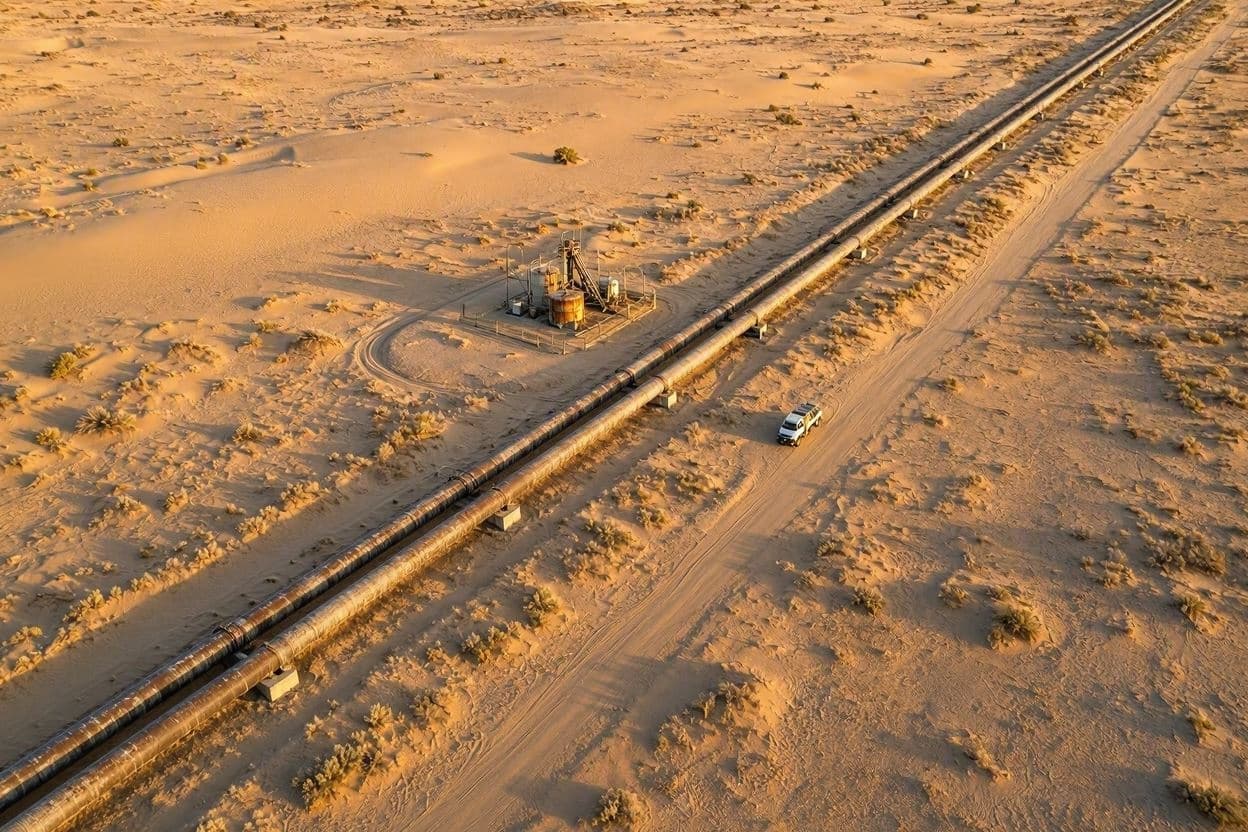
The pipeline, a vital artery for Saudi Arabia’s oil exports, had been halted due to drone attacks and rising tensions with Iran-backed Houthi rebels. Its impending restart signals a strategic effort to maintain energy supplies despite the surrounding chaos. For the United States, which has been closely monitoring the situation, this development is a crucial step toward stabilizing regional markets. However, the resumption of flow does not signify an end to hostilities; rather, it underscores the complex dance of diplomacy and defense that characterizes modern geopolitical engagements.
Yemen remains a flashpoint, with Houthi forces continuing to challenge regional security through asymmetric warfare. Their control over key strategic locations, including parts of the Bab al-Mandab Strait, poses a persistent threat to shipping lanes and energy infrastructure. The fighting, though often overlooked in broader international discourse, has profound implications for global trade and security. As the pipeline prepares to reopen, the shadow of conflict looms large, reminding observers that peace is not merely the absence of war but the presence of robust security mechanisms.
The involvement of external powers, particularly the United States and Iran, adds layers of complexity to the Yemeni conflict. Each actor brings its own interests and alliances to the table, creating a mosaic of competing agendas. The US stance on the pipeline reflects a broader strategy of containing Iranian influence while supporting allied nations like Saudi Arabia. Yet, this approach is not without its critics, who argue that military and economic pressures alone cannot resolve deep-seated political grievances. The situation demands a nuanced understanding of local dynamics and historical contexts.
As the pipeline resumes operations, attention turns to the security measures in place to protect it from future attacks. Saudi Arabia has invested heavily in defensive technologies, including radar systems and interceptor missiles, to safeguard its critical infrastructure. These efforts are part of a larger initiative to secure the Red Sea corridor, a vital route for global commerce. However, the effectiveness of these measures remains to be seen, as adversaries continue to adapt their tactics in response to evolving defenses.
The human cost of this ongoing conflict cannot be ignored. Behind the headlines of pipeline restarts and military maneuvers are countless individuals whose lives have been upended by violence and instability. The people of Yemen, in particular, bear the brunt of the fighting, facing humanitarian crises and economic hardship. As the world focuses on energy security, it is essential to remember the human dimension of these geopolitical struggles, to acknowledge the suffering that persists beneath the surface of strategic calculations.
Looking ahead, the resumption of the Saudi pipeline may provide a temporary reprieve for global markets, but it does not offer a long-term solution to the underlying issues. Sustainable peace in the region requires dialogue, cooperation, and a commitment to addressing the root causes of conflict. Until then, the world must remain vigilant, aware that the calm is often precarious and that the next disruption could be just around the corner. The pipeline’s flow is a symbol of resilience, but also of the continuous effort required to maintain stability in a fractured world.
In the end, the story of the Saudi pipeline is one of endurance and adaptation. It reflects the ability of nations to navigate challenges and maintain essential services despite adverse conditions. Yet, it also serves as a cautionary tale, reminding us that true security comes not from infrastructure alone but from the establishment of lasting peace and mutual respect among nations. As the oil flows once more, let it be a reminder of the work that still lies ahead.
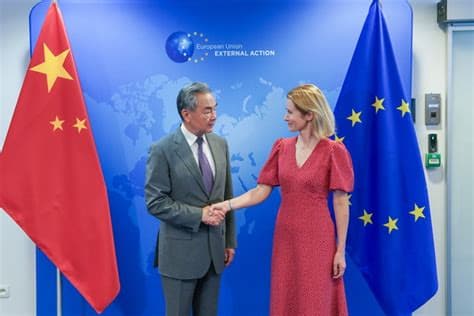
Note: Visuals accompanying this piece are AI-generated interpretations of the geopolitical landscape, designed to complement the narrative tone.
Sources: Al Jazeera, Reuters, PBS NewsHour, The Hill, Sky News
Published by Banx Network. This article is part of the Banx decentralized media programme, powered by the BXE token on the XRP Ledger.