In the vast stillness of Mars, discovery often comes not from dramatic movement, but from quiet arrival. This time, that arrival belongs to , which has reached a previously unexplored region—one that is already reshaping how scientists understand the Red Planet’s past.
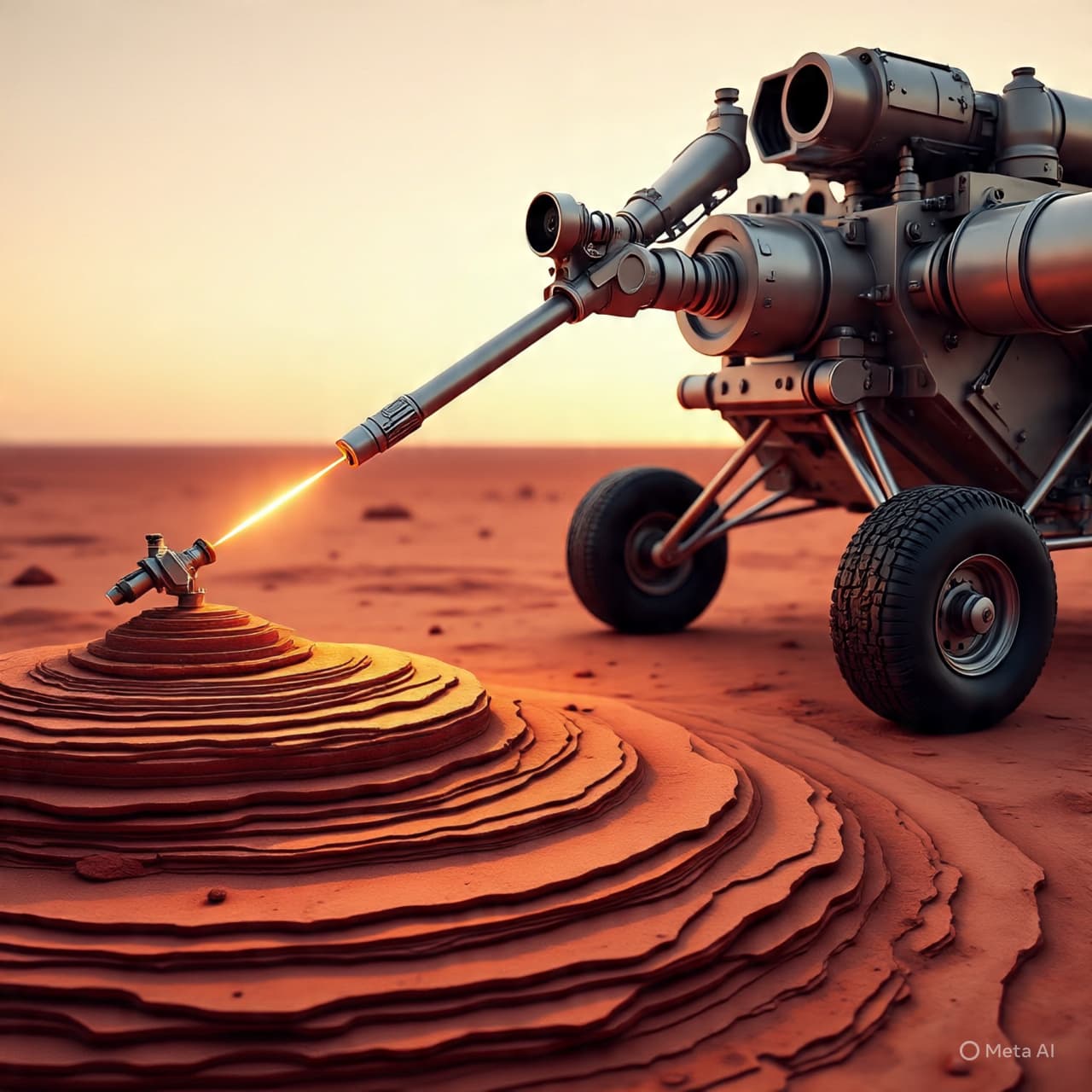
The new terrain, located within the broader expanse of , reveals geological formations unlike anything the rover has encountered before. Layered rock structures, unusual mineral patterns, and sharply defined sediment lines suggest a far more complex environmental history than earlier observations indicated.
Researchers at describe the area as a “natural archive,” preserving evidence of ancient processes that may include flowing water, shifting climates, and long periods of environmental change. Each exposed layer acts like a page—recording conditions from millions, potentially billions, of years ago.
One of the most compelling aspects of the discovery is the diversity of rock composition. Initial analysis indicates variations in mineral content that could point to different eras of water activity. Some formations suggest slow sediment buildup in calm conditions, while others hint at more dynamic events such as floods or shifting surface chemistry.
This complexity matters because Mars’ past is closely tied to one enduring question: Was it ever capable of supporting life?
The presence of water-related geology strengthens the idea that Mars was once more hospitable than it is today. While Curiosity is not designed to detect life directly, it is exceptionally equipped to identify the conditions that might have made life possible.
The terrain’s untouched nature adds to its significance. Unlike previously studied areas, which may have been altered by erosion or surface exposure, this region appears relatively well-preserved. That makes it an especially valuable target for long-term study.
For , the discovery also highlights the continued relevance of Curiosity more than a decade after its landing. Originally designed for a two-year mission, the rover continues to deliver insights that extend far beyond its initial goals—adapting to new targets and uncovering new questions along the way.
As data continues to arrive, scientists expect a deeper understanding of how Mars evolved from a potentially habitable world into the cold, dry planet seen today. Each new image and sample adds detail to that transformation, bringing the distant past of Mars into clearer focus.
What Curiosity has found is not just new terrain. It is a reminder that even after years of exploration, Mars still holds regions that can surprise us—places where the planet’s history remains written in stone, waiting to be read.
Published by Banx Network. This article is part of the Banx decentralized media programme, powered by the BXE token on the XRP Ledger.