
Key Highlights
- Rising Mortality:Cuban doctors report increased patient deaths due to the U.S. blockade.
- Medical Supply Shortages:Critical shortages of medications and supplies are impacting patient care.
- Calls for Action:Advocates urge an end to the blockade to prioritize humanitarian needs.
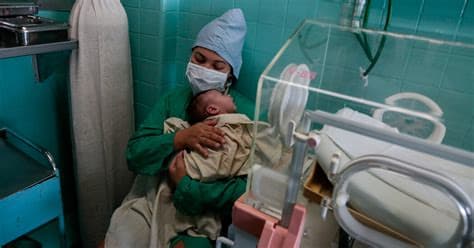
Cuban doctors are sounding alarm bells over a worsening healthcare crisis that they claim is exacerbated by the longstanding U.S. blockade. Reports indicate that patients are facing increased mortality rates due to a lack of access to vital medical supplies, medications, and necessary treatments that are critical for managing various health conditions. The situation has become dire, with healthcare professionals describing heart-wrenching scenarios where patients with chronic illnesses are unable to receive life-saving medications.
The blockade has severely restricted Cuba's ability to import essential goods, leading to shortages that directly impact patient care and outcomes. Medical experts on the island have noted that the shortage of medical supplies has forced healthcare workers to make difficult decisions, often compromising the quality of care provided to patients. Surgeries have been postponed, and patients are unable to obtain necessary diagnostic tests, which has led to deteriorating health conditions for many.
The Cuban government has consistently condemned the U.S. blockade, arguing that it constitutes a violation of human rights and has devastating effects on the health and well-being of the Cuban population. Officials have called for international solidarity and support to alleviate the suffering caused by these restrictions. They emphasize that the blockade not only affects the healthcare system but also undermines the fundamental rights of citizens to access necessary medical care.
Advocates for Cuban health have urged for an end to the blockade, arguing that humanitarian considerations must take precedence over political disputes. They emphasize that the blockade disproportionately affects vulnerable populations who rely on a functioning healthcare system for support. The ongoing humanitarian impact raises critical questions about ethical governance and the responsibility of nations to ensure that healthcare is accessible and equitable for all, regardless of geopolitical tensions.
As the situation evolves, the plight of Cuban patients serves as a poignant reminder of the real consequences of international sanctions on human life. The healthcare crisis in Cuba is not just a local issue; it reflects broader global challenges regarding access to healthcare and the ethical implications of political actions that affect civilian populations.
Published by Banx Network. This article is part of the Banx decentralized media programme, powered by the BXE token on the XRP Ledger.



