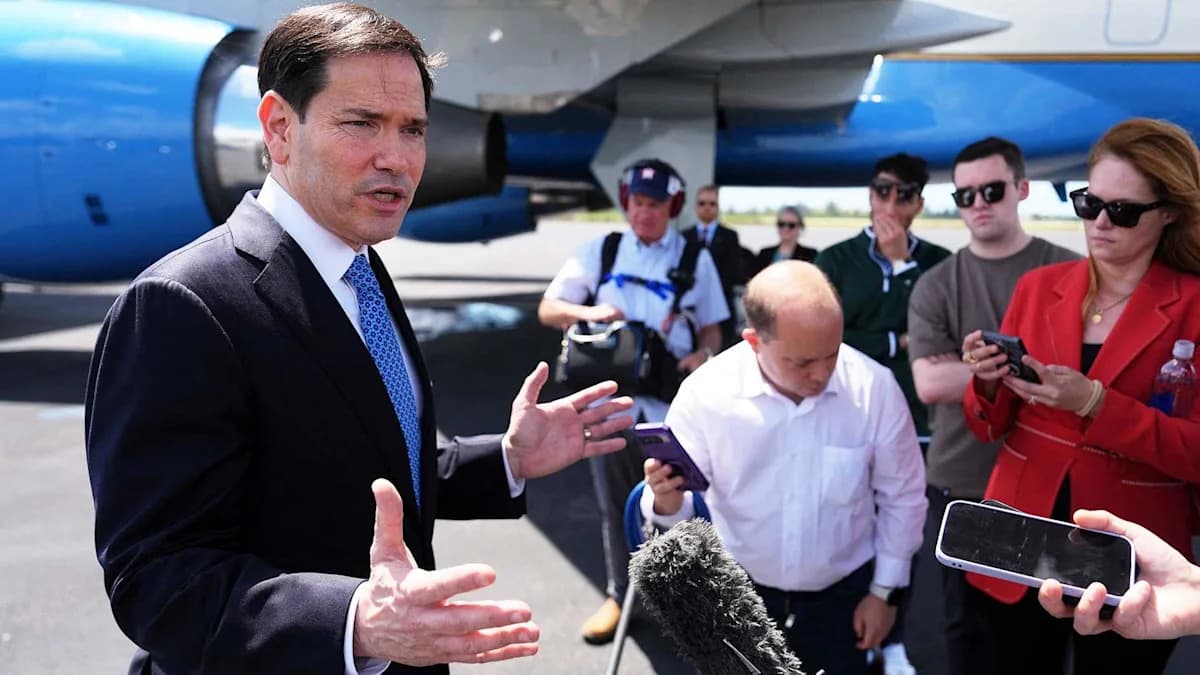
Senator Marco Rubio has publicly labeled Cuba as a national security threat to the United States, asserting that the island's actions and alliances compromise American safety and interests. During a recent speech, Rubio expressed concerns about Cuba's growing relationships with adversarial countries, including China and Russia, which he argues could enable hostile activities near U.S. borders.
Rubio emphasized that the Cuban government has been engaged in activities that promote instability in Latin America, including supporting regimes and movements that oppose U.S. influence. He criticized the Biden administration's approach towards Cuba, arguing that leniency could embolden the regime and result in heightened risks for the U.S.
This declaration aligns with Rubio's long-standing stance on Cuba and his advocacy for a more robust policy to counteract its influence. He called for increased sanctions and pressure on the Cuban government to deter its collaborations with other geopolitical adversaries.
The senator's remarks have reignited discussions regarding U.S. foreign policy in the region, particularly in light of Cuba’s historical role as a focal point for American national security concerns. As political tensions remain high, the implications of Cuba's activities on regional stability and U.S. interests will continue to be critical topics for policymakers moving forward.
Published by Banx Network. This article is part of the Banx decentralized media programme, powered by the BXE token on the XRP Ledger.