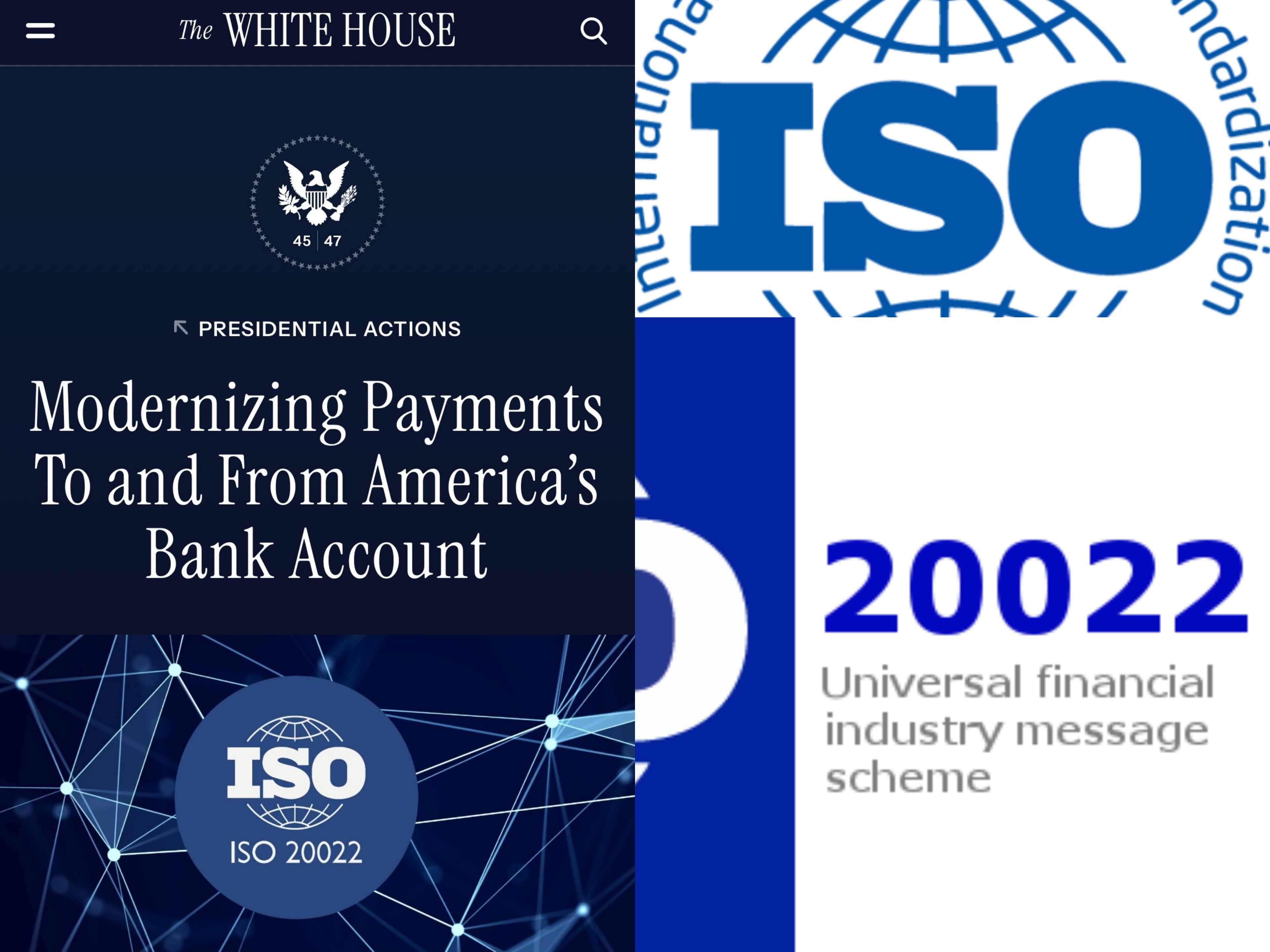
In 2025, cryptocurrency has evolved from a niche digital experiment to a cornerstone of global finance. With market capitalization surpassing $5 trillion and daily transaction volumes in the billions, crypto is integrating into mainstream economies worldwide. This integration is driven by technological advancements, regulatory frameworks, and the need for efficient cross-border payments. Superpowers like the United States and China are shaping policies that influence global trends, while developing regions such as Africa are leveraging crypto for economic inclusion and growth. This article explores these dynamics, drawing on current trends to highlight how cryptocurrency is fostering global connectivity, empowering superpowers, and accelerating development in Africa. We'll keep it simple, focusing on key facts and real-world examples. Global Trends in Cryptocurrency Integration The cryptocurrency landscape in 2025 is marked by rapid institutional adoption and technological convergence. According to Chainalysis's 2025 Global Adoption Index, India and the United States lead in crypto adoption, with metrics based on on-chain value received, retail transfers, and peer-to-peer exchange activity. Worldwide, user penetration is growing, with Europe seeing a jump in ownership—24% of UK respondents now hold crypto, up from 18% in 2024. Key trends include the rise of spot ETFs, which sparked a bull market, and the intersection of AI with crypto for smarter trading algorithms. Tokenized assets are another game-changer, allowing real-world items like real estate or art to be represented on blockchains, enhancing liquidity and accessibility. DeFi (Decentralized Finance) is solidifying its role alongside traditional finance, with institutions adopting it for lending and yield farming. Stablecoins, pegged to fiat currencies, are empowering new payment waves, reducing volatility and enabling seamless global transfers. In Q1 2025, the market faced declines due to regulatory shifts, but altcoins and VC investments rebounded, signaling resilience. Looking ahead, experts predict structural integration with global capital markets by 2026, emphasizing institutional engagement over retail speculation. Geopolitical changes and bank blockchains are shifting crypto toward institutional uses, unlocking cash deposits and fostering fintech pilots like Vietnam's crypto market initiative. These trends underscore crypto's role in bridging economic divides, but they also highlight the need for balanced regulation to mitigate risks like fraud and market manipulation. Cryptocurrency in Superpowers: The United States The U.S., as a global superpower, has embraced cryptocurrency with proactive policies in 2025, positioning itself as a leader in digital innovation. In July, President Trump signed the GENIUS Act into law, creating the first federal regulatory framework for stablecoins and establishing a Strategic Bitcoin Reserve. This act mandates reserve holdings for stablecoin issuers and promotes U.S. leadership in digital financial technology. Earlier, in March, an executive order modernized federal payments, transitioning to electronic systems by September 30, 2025, and ceasing paper checks for efficiency. The SEC's Crypto Task Force provides clarity on securities laws, recommending policies to strengthen oversight. Landmark legislation, including the CLARITY Act and Anti-CBDC Surveillance State Act, was considered during "Crypto Week" in Congress, focusing on innovation without central bank digital currencies. State-level bills in 2025 address digital assets, with the BITCOIN Act proposing federal Bitcoin holdings. This shift has boosted adoption, with the U.S. topping global indexes. However, challenges remain, such as balancing regulation with growth. The administration's approach promises reforms, including AI and digital asset integration, to maintain economic dominance. Cryptocurrency in Superpowers: China In contrast to the U.S., China's approach to cryptocurrency remains restrictive, reflecting its focus on financial control and sovereignty. As of 2025, all crypto transactions are illegal on the mainland, with a full ban on mining, ownership, and trading reaffirmed in policy updates. In May, holding crypto became criminalized, extending the 2021 trading ban. However, nuances exist. Hong Kong, as a special administrative region, is incubating crypto under strict rules, serving as a testing ground for mainland policies. Regulators are mulling yuan-pegged stablecoins to counter U.S.-dollar dominance, with companies urging adoption for global competitiveness. In August, brokers were told to halt stablecoin endorsements amid surging interest. China's policies impact global markets, as its past mining dominance influenced supply chains. While banning crypto domestically, Beijing's stance shapes international fintech, potentially leading to a "two Chinas" dynamic where Hong Kong innovates and the mainland observes. This cautious integration could evolve if yuan stablecoins gain traction, but for now, it prioritizes stability over open adoption. Cryptocurrency's Role in African Development Africa stands out as a hotspot for crypto adoption, where digital assets are driving economic development amid challenges like inflation and limited banking access. In 2025, Sub-Saharan Africa saw a 52% increase in crypto transactions, reaching $205 billion in on-chain value from July 2024 to June 2025, making it the third-fastest growing region globally. User penetration is at 5.5%, projected to rise to 5.9% by 2026. Countries like Nigeria, Kenya, and South Africa lead, with Nigeria's transaction spike in March 2025 tied to naira devaluation. Stablecoins account for 43% of transactions, used by businesses for payments and hedging. Crypto addresses financial inclusion, filling gaps for the unbanked—over 50% of Africans lack traditional accounts. It reduces remittance costs, which average 6% in Africa, and enables micro-lending via DeFi. In development, crypto supports trade under the African Continental Free Trade Area by lowering cross-border fees. South Africa's licensing of crypto exchanges fosters a secure environment, leading DeFi growth. Blockchain aids governance, with potential for fiscal improvements and anti-corruption tools. However, risks like volatility and scams persist, prompting regulations like Kenya's 2025 Virtual Asset Service Providers Bill. Overall, crypto is a revolution for inclusion but requires safeguards. Case Study: Ripple's XRP in Global Payments Ripple's XRP exemplifies crypto's integration into global payments, disrupting traditional systems like SWIFT. Designed for fast, low-cost cross-border transfers, XRP is adopted by over 200 institutions in 2025. Banks use it via RippleNet for settlements, with some tying it to trillions in future banking flows. The SEC lawsuit resolution in August 2024 boosted adoption, leading to spot ETFs and XRP trading at around $3.50. In Africa, XRP aids remittances and trade, aligning with development goals. Globally, proposals like the UK's potential recognition could elevate XRP's role. As a bridge currency, XRP could replace outdated systems, but clarity on its status is key—delays risk $1.5 trillion in impact.
Published by Banx Network. This article is part of the Banx decentralized media programme, powered by the BXE token on the XRP Ledger.