Key Highlights
- Coalition of cryptocurrency groups urges Senate action on CLARITY Act.
- Legislation aims to establish clear regulatory framework for digital assets.
- Bipartisan support reflects growing momentum for crypto regulation.
A coalition of prominent cryptocurrency and blockchain advocacy organizations has formally urged United States Senate leadership to bring the CLARITY Act before the full Senate, signaling growing momentum behind efforts to establish a comprehensive regulatory framework for digital assets. This push comes as the industry seeks clarity in regulations that could significantly impact its future.
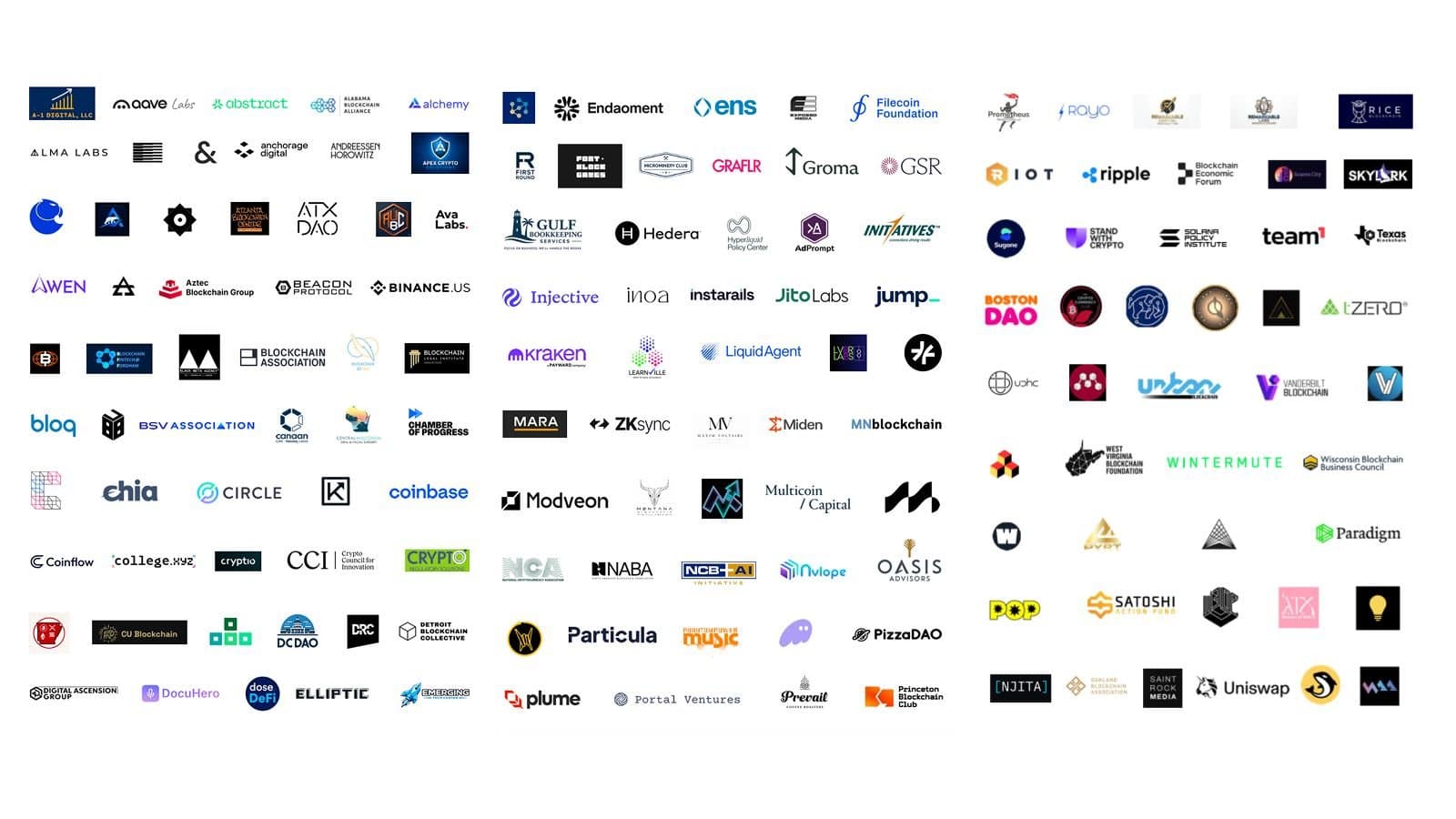
In a joint letter addressed to Senate Majority Leader John Thune and Senate Minority Leader Charles Schumer, industry groups emphasized the importance of creating clear rules for digital asset markets. They argued that regulatory certainty is essential for maintaining American competitiveness in an increasingly global digital economy. The letter highlights the urgency of establishing a framework that can support innovation while ensuring consumer protections.
The call for action follows bipartisan progress achieved within the Senate Banking Committee, where lawmakers advanced the legislation after months of negotiations. Supporters describe the CLARITY Act as a landmark proposal designed to establish clear regulatory responsibilities, create workable registration pathways, and provide long-term certainty for blockchain innovators, developers, and investors. This bipartisan backing indicates a growing recognition of the need for a structured approach to cryptocurrency regulation.
Industry advocates contend that the absence of clear regulations has contributed to confusion across digital asset markets, forcing many businesses to navigate overlapping regulatory interpretations. According to supporters, establishing a unified framework would encourage innovation while strengthening consumer protections and market integrity. The current regulatory landscape has left many companies uncertain about compliance, which could stifle growth and investment in the sector.
The organizations behind the letter argue that digital asset markets represent a foundational component of future financial infrastructure. They warn that delays in establishing comprehensive legislation could encourage innovation, investment, and talent to migrate toward jurisdictions offering clearer regulatory environments. By contrast, supporters believe that passage of the CLARITY Act would help ensure that blockchain development remains anchored within the United States, fostering a competitive edge in the global market.
The proposed legislation seeks to balance innovation with accountability. Supporters say the framework would improve transparency, clarify jurisdictional oversight, strengthen investor confidence, and provide legal certainty for companies building blockchain-based products and services. They also emphasize the importance of protecting software developers and fostering responsible technological advancement, which is crucial as the industry evolves.
The renewed push arrives during a period of increasing political engagement with digital assets. Policymakers, regulators, and industry participants are debating how best to integrate blockchain technologies into existing financial systems while preserving market stability and consumer protections. As tokenization, stablecoins, and decentralized finance continue to expand, the demand for regulatory clarity has become a central issue across the industry.
Should Senate leadership move forward with consideration of the legislation, the debate could represent one of the most consequential moments for U.S. digital asset policy in recent years. The outcome may shape the regulatory environment governing blockchain innovation for the next decade and influence America's position within the global digital economy. As the industry awaits further developments, the implications of the CLARITY Act could resonate far beyond the immediate regulatory landscape.
Published by Banx Network. This article is part of the Banx decentralized media programme, powered by the BXE token on the XRP Ledger.