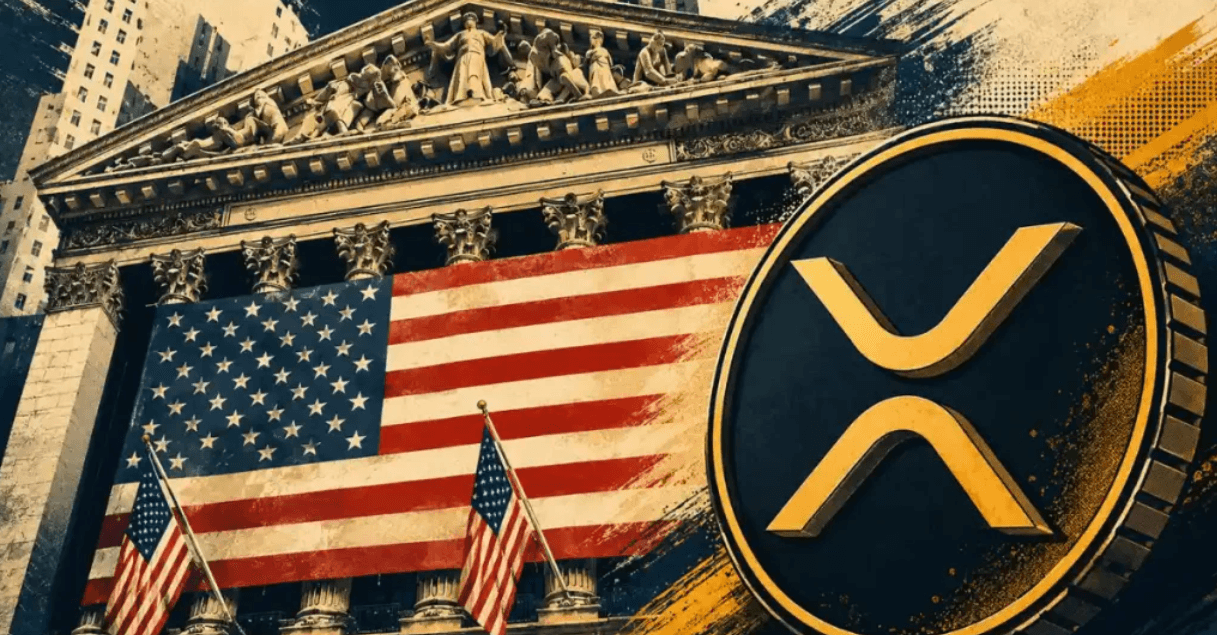
Billions of dollars have surged back into crypto ETFs in the United States, a sharp reversal from the anxiety that gripped the market just a month ago. Traders who once doubted whether digital assets could ever find a place in mainstream portfolios are now watching institutional cash flood in at a pace not seen since Bitcoin’s last bull run.
Behind this wave of capital lies a cocktail of factors: easing inflation signals from the Federal Reserve, a weakening dollar that makes risk assets more attractive, and a growing realization among fund managers that ignoring crypto could mean missing out on the next major financial trend. What seemed speculative two years ago is now being reframed as a hedge — not against governments, but against stagnation itself.
Yet optimism does not erase tension. Regulators continue to hover like watchful hawks, skeptical about liquidity, market manipulation, and the frothy excitement retail investors bring with them. Even as Wall Street giants embrace Bitcoin ETFs, ordinary savers remain caught between fear of another crash and fear of being left behind. The irony is unmistakable: what began as an anti-establishment asset is now being packaged neatly by the very institutions it once sought to disrupt.
This moment forces a question: is crypto finally gaining legitimacy, or is Wall Street simply rebranding volatility for profit? Either way, the scale of inflows suggests that the story of digital assets is far from over — it’s only shifting chapters.
Published by Banx Network. This article is part of the Banx decentralized media programme, powered by the BXE token on the XRP Ledger.