

Key Highlights
- Traditional banks may increasingly embrace cryptocurrency integration.
- Regulatory clarity is essential for broader institutional adoption.
- The cryptocurrency industry has matured, attracting institutional interest.
The relationship between traditional banking institutions and the cryptocurrency industry is on the brink of a significant transformation. Recent comments from a senior US banking policymaker indicate that financial institutions could become more receptive to integrating digital assets within the next three to five years. This potential shift comes as both sectors navigate a complex landscape of regulatory uncertainty and evolving compliance standards.
For years, cryptocurrency companies have faced challenges in securing banking partnerships, largely due to concerns over risk management and regulatory compliance. Banks, on the other hand, have approached the crypto sector with caution, wary of the implications of government oversight and the volatility associated with digital currencies. However, recent discussions among regulators and a growing interest from major financial institutions suggest that this landscape may be changing.
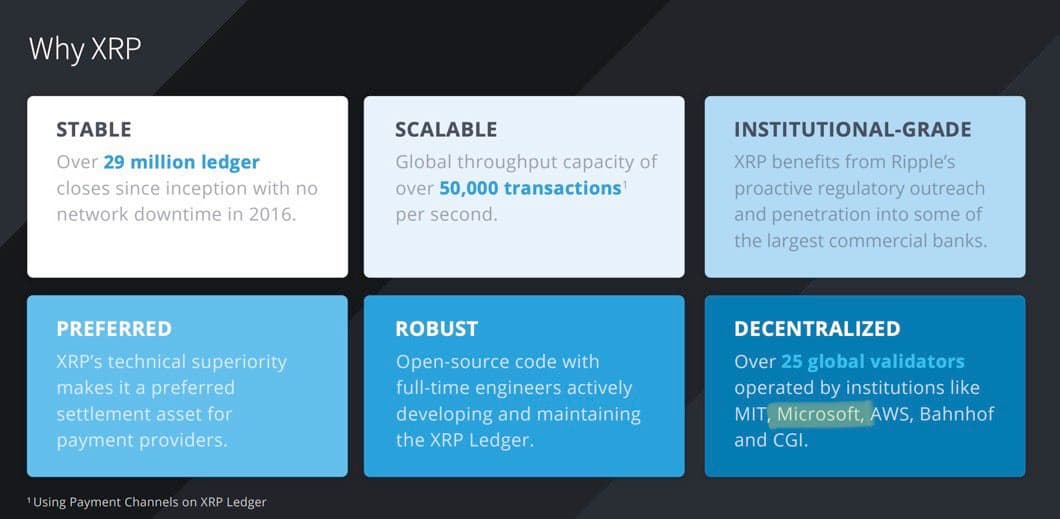
The cryptocurrency industry has matured significantly since its inception, with major financial players increasingly exploring blockchain technology, digital asset custody services, and payment systems linked to stablecoins. This evolution has led to a growing belief that collaboration between banks and crypto firms could enhance financial efficiency, reduce settlement times, and broaden access to financial tools on a global scale.
Despite the optimism, critics remain cautious. They highlight the inherent risks associated with cryptocurrency, including price volatility, security vulnerabilities, and the need for clearer regulatory frameworks. As lawmakers continue to debate legislation that could define the role of digital assets within the existing financial system, regulatory clarity is seen as a crucial factor that will determine the pace of institutional adoption.
Market participants are increasingly convinced that traditional finance and blockchain systems are likely to coexist rather than compete directly. The next few years will be pivotal in determining whether cryptocurrency transitions from being viewed as an alternative financial ecosystem to becoming an integral part of mainstream banking infrastructure.
This ongoing conversation reflects a broader trend reshaping the global financial landscape: digital assets are moving away from speculative markets and entering discussions about institutional adoption. As the dialogue evolves, the potential for a more integrated financial system that includes both traditional banking and cryptocurrency appears increasingly plausible.
Published by Banx Network. This article is part of the Banx decentralized media programme, powered by the BXE token on the XRP Ledger.




