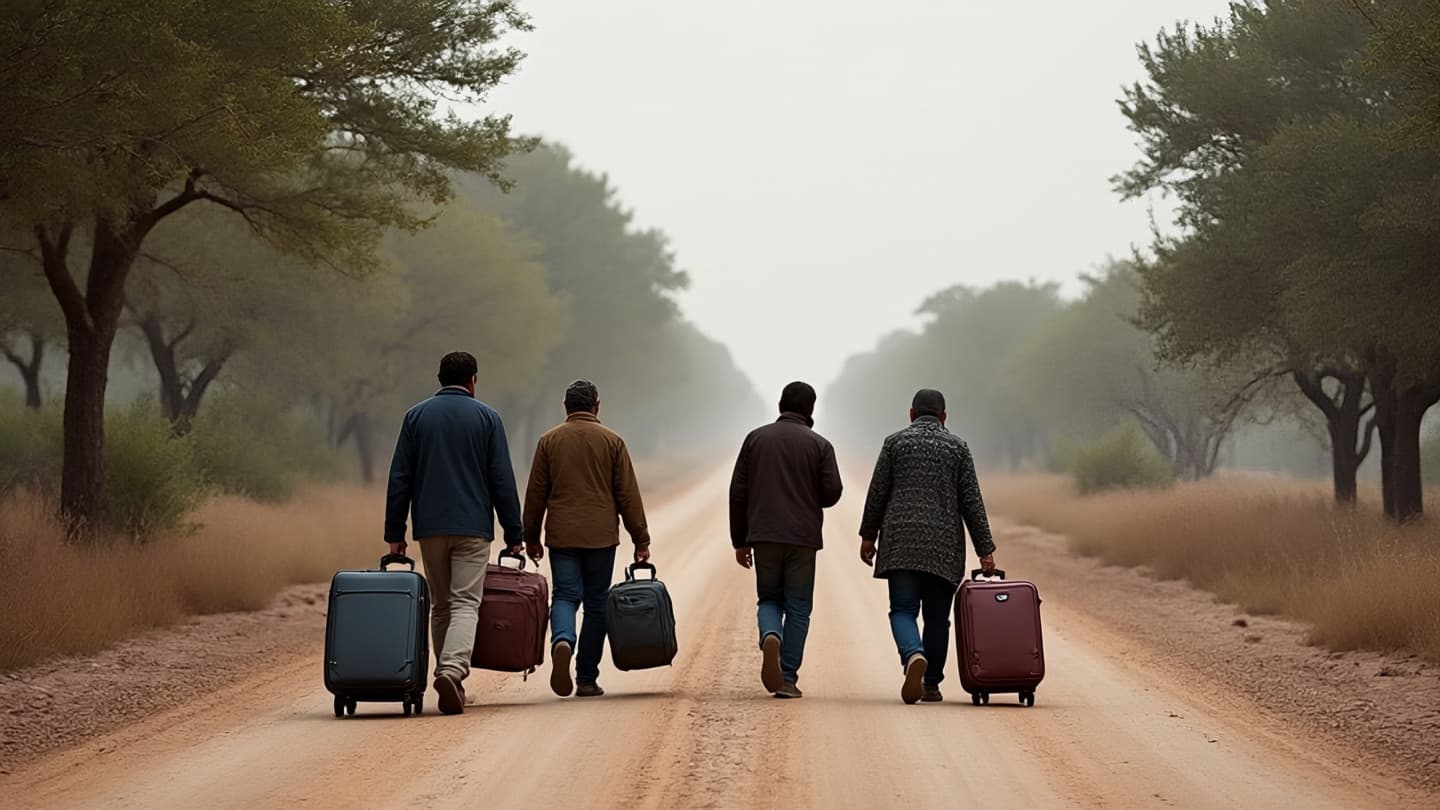
Migration is a complex tapestry woven from hope, fear, and necessity. In South Africa, recent weeks have seen a dramatic shift in this pattern, with over 178,000 immigrants leaving the country either voluntarily or through deportation. This mass exodus has sparked intense debate and speculation, driven by a mix of economic pressures, political rhetoric, and social tensions. Understanding the reasons behind this movement requires looking beyond simple headlines to the deeper currents of policy, perception, and survival. It is a moment of transition that reflects the challenges of integration and the search for stability in a changing world.
One of the primary drivers has been the enforcement of stricter immigration laws. The South African government has intensified efforts to identify and deport undocumented foreigners, citing concerns over national security and job protection for citizens. Operations have targeted specific sectors, such as retail and construction, where immigrant labor is prevalent. For many, the fear of detention and deportation has prompted a preemptive departure, seeking safety in neighboring countries or returning home.
Economic hardship has also played a significant role. High unemployment rates and inflation have made life difficult for everyone, but immigrants often face additional barriers to accessing social services and formal employment. Xenophobic sentiments, occasionally flaring into violence, have created an environment of insecurity. Many immigrants feel that the risks of staying outweigh the benefits, leading them to seek opportunities elsewhere.
Political discourse has contributed to the climate of uncertainty. Statements by some leaders linking crime and economic struggles to foreign nationals have fueled public anxiety. While not all rhetoric translates into policy, the perception of hostility can be enough to drive people away. Community leaders have called for calm and rational dialogue, emphasizing the contributions of immigrants to the economy and society.
For the countries receiving returnees, such as Zimbabwe, Mozambique, and Malawi, the sudden influx poses its own challenges. Resources are strained, and reintegration programs are often inadequate. The regional impact of this movement is significant, affecting labor markets and social dynamics across borders. Cooperation between nations is essential to manage the flow humanely and effectively.
Despite the difficulties, many immigrants remain in South Africa, contributing to its diverse culture and economy. Their stories are ones of resilience and adaptation. The current wave of departures is a snapshot of a larger, ongoing process of migration that shapes the region.
The departure of 178,000 immigrants from South Africa is a multifaceted issue rooted in policy, economics, and social dynamics. As the situation evolves, the focus must be on humane treatment and regional cooperation. Migration remains a defining feature of the modern world, requiring thoughtful and compassionate responses.
AI Image Disclaimer: The images provided are AI-generated to visually represent the humanitarian and social aspects of the story.
Sources: Al Jazeera BBC News The Guardian
Published by Banx Network. This article is part of the Banx decentralized media programme, powered by the BXE token on the XRP Ledger.