There are moments when the world’s tumultuous currents seem to converge in a single place, pulling distant shores, personal journeys, and diplomatic fault lines into a shared moment of uncertainty. Over the past week, Venezuela — a nation long beset by political upheaval and economic hardship — has once again become the focal point of such global attention, with ripples now touching the lives of ordinary people far beyond its borders.
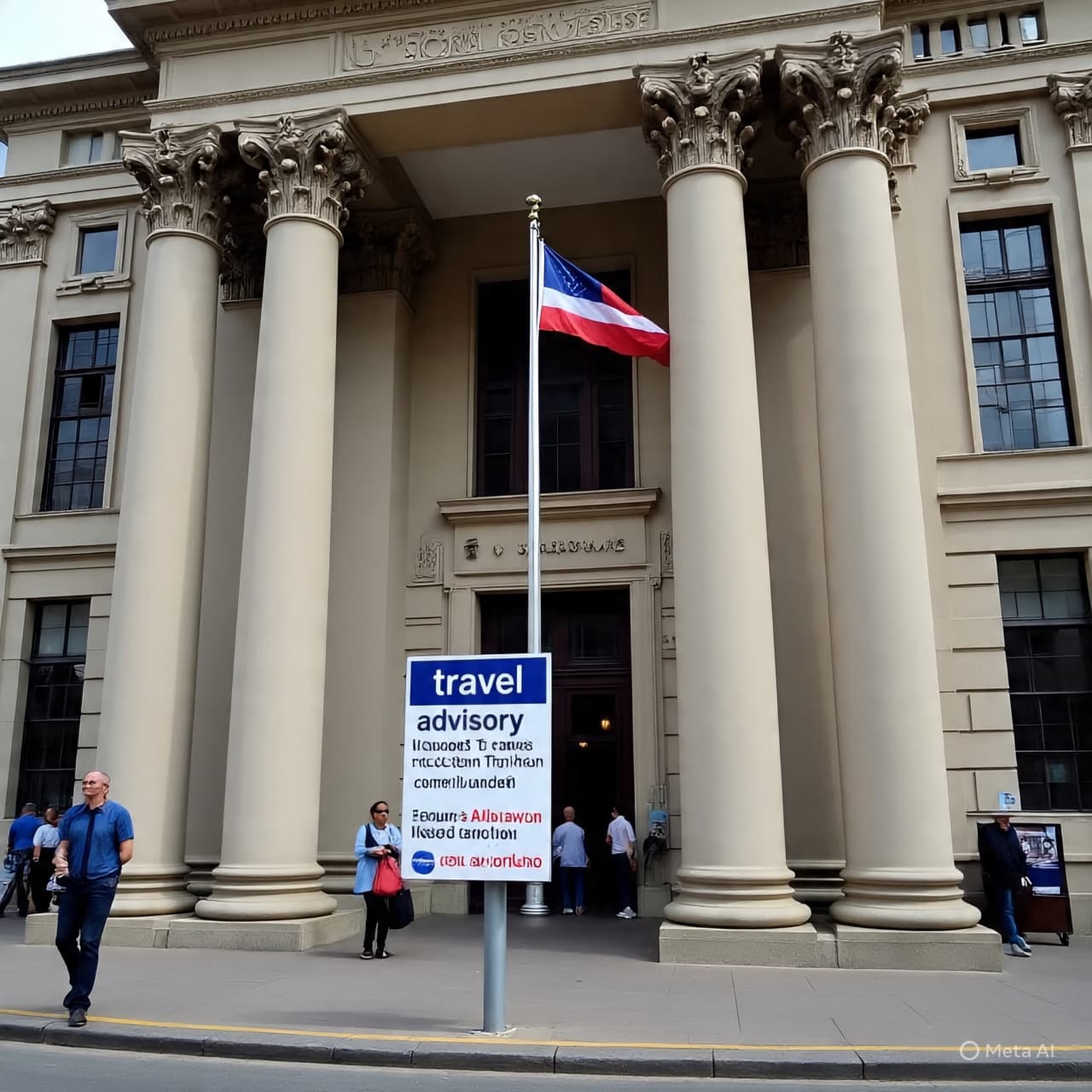
On Sunday, the U.S. State Department issued a stark warning urging all American citizens in Venezuela to “leave the country immediately”, even as international flights have begun to resume after recent disruptions. The travel alert, posted by the Department’s Bureau of Consular Affairs, emphasized that the security situation in Venezuela “remains fluid and unstable,” and that conditions on the ground could pose severe risks to U.S. nationals.
The advisory comes against a backdrop of heightened tensions following a dramatic U.S. military operation earlier this month in which Venezuelan President Nicolás Maduro was captured by U.S. forces. Since then, Venezuelan cities have witnessed a mix of reactions — from demonstrations in support of Maduro to reports of armed militia groups, known locally as “colectivos,” setting up roadblocks and searching vehicles for signs of U.S. citizenship or perceived support for the United States.
According to the State Department’s alert, colectivos and other armed elements have been operating outside formal control, increasing the danger for foreigners navigating the country’s roads. The advisory also notes that all routine and emergency consular services in Venezuela remain suspended, meaning the U.S. government currently lacks the ability to provide typical assistance to its citizens there.
In outlining the risks, U.S. officials reiterated that Venezuela remains on Travel Advisory Level 4: Do Not Travel, the highest alert level, citing threats that include wrongful detention, terrorism, kidnapping, arbitrary enforcement of local laws, civil unrest, and limitations in health infrastructure. Citizens in the country were urged to stay aware of their surroundings, maintain communication plans, and monitor evolving airline options for departure.
Venezuelan authorities, however, have pushed back against the American warning, dismissing claims of widespread insecurity as exaggerated and asserting that the nation remains peaceful and stable. In an official statement, Venezuela’s Ministry of Foreign Affairs called the alert a perception of risk that “does not exist,” insisting that public order and national security remain intact.
For Americans who remain in Venezuela, the advisory highlights a stark choice: to depart swiftly as conditions allow, or to remain amid uncertainty with limited external support. The moment underscores how political upheaval and shifting power dynamics can quickly extend beyond capitals and frontiers to shape the decisions of families, travelers, and expatriates far from home.
AI Image Disclaimer Visuals are created with AI tools and are not real photographs and are intended to illustrate concepts only.
Sources Reuters Associated Press Business Standard Le Monde The Guardian
Published by Banx Network. This article is part of the Banx decentralized media programme, powered by the BXE token on the XRP Ledger.