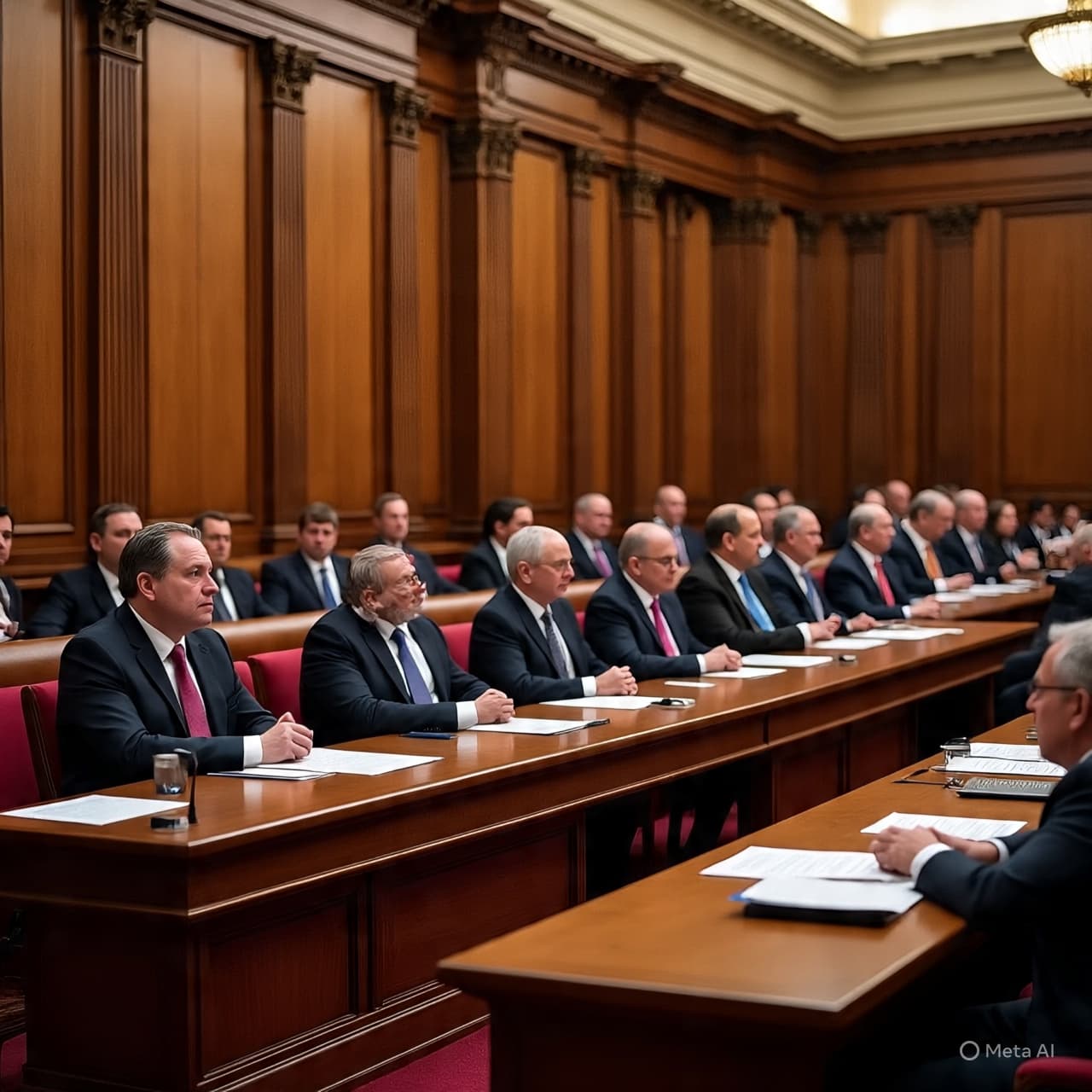
In the patterned rhythm of parliamentary life, where unity is often proclaimed in carefully vetted statements and shared positions, there are moments when the quiet surface ripples into something far less predictable. This week in Canberra, three senior senators from the National Party — Bridget McKenzie, Susan McDonald, and Ross Cadell — stepped back from their roles in Opposition Leader Sussan Ley’s shadow cabinet. Their departure was not borne of scandal or personal misfortune, but of principle and dissent: a choice made in the midst of a fierce debate over newly enacted hate speech and extremism laws that divided not only Parliament but their own Coalition ranks.
The trio had crossed the floor, voting against the Combatting Antisemitism, Hate and Extremism Bill 2026 despite a unanimous shadow cabinet agreement to support the Coalition’s negotiated amendments. For McKenzie, McDonald and Cadell, the decision reflected deep concerns about the legislative process — which they and some colleagues saw as rushed — and how the reforms might intersect with fundamental freedoms such as free speech. Their critics in the Coalition, however, argued that parliamentary solidarity is the very foundation that gives an opposition credibility and coherence.
When Ley accepted their resignations, she underscored this point plainly. “Shadow cabinet solidarity is not optional,” she said, reminding colleagues that a unified front is essential to serious opposition and effective governance. While she has asked the departed senators to continue serving within the Coalition in other capacities — including on committees and in broader parliamentary roles — they will no longer hold the frontbench portfolios that once placed them at the heart of party strategy and public advocacy.
The political implications extend beyond personnel changes. Nationals leader David Littleproud, in a show of support for his senators, warned of further resignations if the frontbench departures were enforced, highlighting a rift within the Coalition’s fabric itself. The episode touches on long‑standing tensions between the Coalition’s junior and senior partners over policy direction, messaging and internal cohesion, and raises questions about how unified the opposition can remain as it navigates complex national debates on hate, safety and civil liberties.
For McKenzie, McDonald and Cadell, the choice to step back from frontbench roles — jobs they once held with pride — symbolizes a deeper tension between party loyalty and individual conviction. Whether their stance resonates with voters and colleagues in the weeks ahead will be part of the unfolding story of a Coalition seeking to define itself in a changing political landscape.
AI Image Disclaimer Visuals are created with AI tools and are not real photographs.
Sources:
The Guardian, ABC News, AAP reports, New Daily political coverage, SBS News.
Published by Banx Network. This article is part of the Banx decentralized media programme, powered by the BXE token on the XRP Ledger.