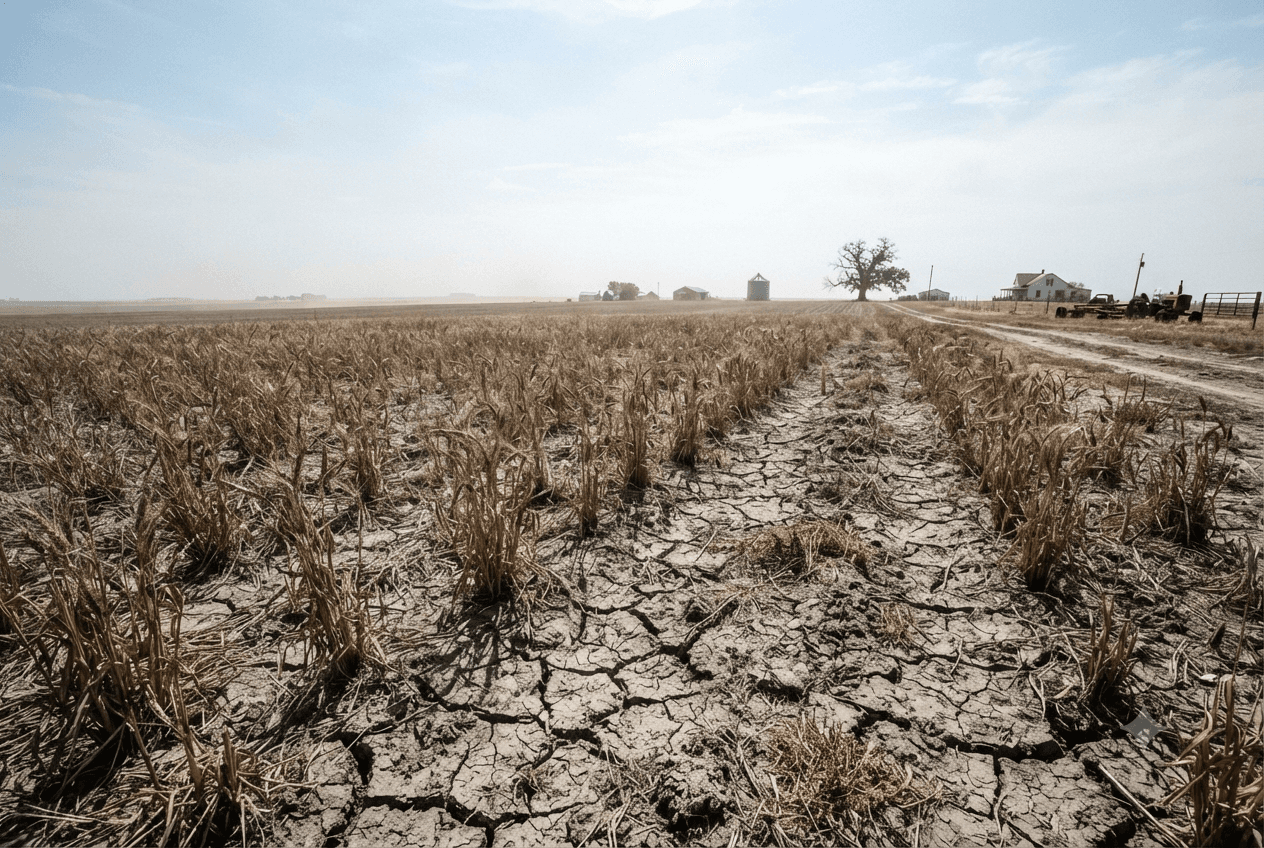
Wichita, Kansas—Topsoil blew across empty fields in thick, choking clouds. Stalks of wheat withered down to brittle brown husks before heading. Combine harvesters sat rusting inside machinery sheds. Not a single kernel of grain will be bagged here this season.
Farmers walked the cracked earth with shoulders slumped in defeat. Irrigation ponds dried up completely by early July. County extension agents confirmed a total write-off for ninety percent of acreage. Agricultural lenders began foreclosure proceedings on generational properties.
Rural cooperatives reported zero grain deliveries for the current harvest cycle. Feed store owners extended lines of credit until their own reserves ran dry. Town council meetings focused entirely on emergency water rationing protocols. Small-town banks face mounting defaults on agricultural loans.
State agricultural officials surveyed the devastation from chartered twin-engine planes. Dryland farming methods failed completely under record-breaking triple-digit temperatures. Groundwater tables dropped to historical lows across the entire region. No relief is expected until autumn storm systems arrive.
Federal crop insurance payouts will cover only a fraction of production costs. Families packed heirlooms into cardboard boxes to prepare for relocation. Local schools anticipated significant enrollment drops for the upcoming academic year. Main street storefronts closed their doors permanently one by one.
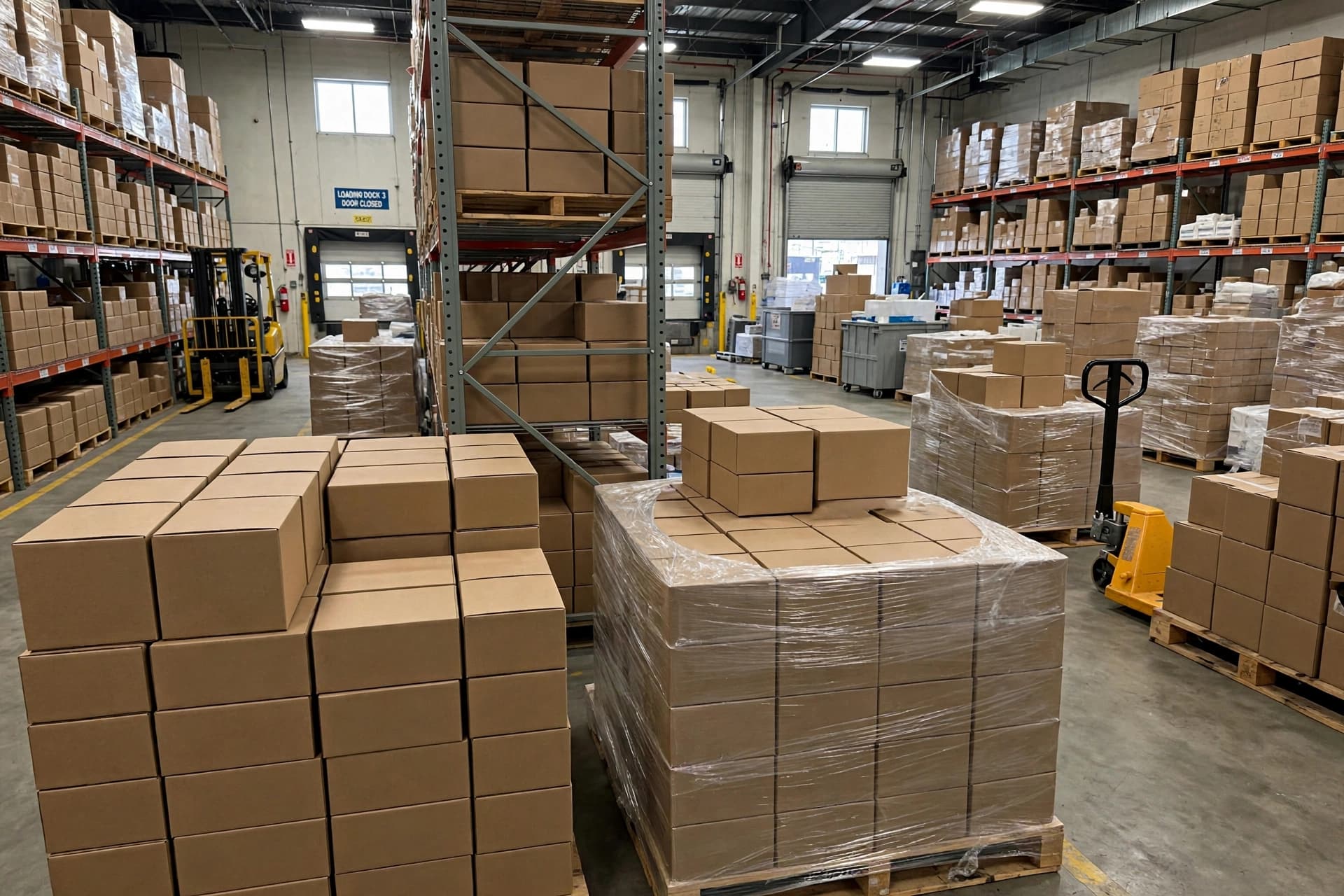
Grain merchants on commodity exchanges adjusted global futures contracts upward. Supply chain disruptions will ripple through domestic bakery and milling industries. Consumers face steep price increases on basic grocery staples by winter. International buyers already turned toward alternative export markets.
Agronomists warned that climate patterns indicate permanent regional aridification. Traditional farming techniques are no longer viable in these southern plains. State lawmakers debated subsidies for alternative drought-resistant crop cultivation. Immediate financial aid packages remain stalled in legislative committees.
Dust devils spun across barren acreage under a blistering afternoon sun. Cattle auctions ran continuously as ranchers sold off entire breeding herds. The silence across the rural landscape remains heavy and unbroken. Nobody knows who will own this land by next spring.
Published by Banx Network. This article is part of the Banx decentralized media programme, powered by the BXE token on the XRP Ledger.