
Key Highlights
- Legal Context:Branimir Glavaš's decorations were revoked after a war-crimes conviction.
- Presidential Action:Zoran Milanović has restored Glavaš's honors based on legal changes.
- Ongoing Controversy:The decision has sparked debate about accountability and justice.
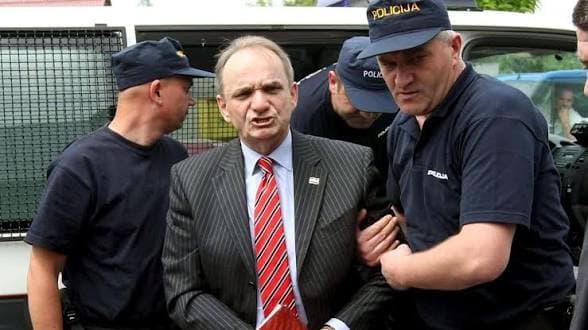
In a significant political move, Croatian President Zoran Milanović has restored the military decorations of Branimir Glavaš, a controversial figure due to his past convictions related to war crimes during the Croatian War of Independence. Glavaš, who was once honored for his contributions to the war effort, saw his decorations revoked following a final conviction for war crimes, a decision made by former President Ivo Josipović.
The restoration of Glavaš's honors comes in the wake of a 2021 ruling by Croatia’s Constitutional Court, which altered the legal landscape surrounding his conviction. This ruling indicated that Glavaš was no longer in the same legal position as someone whose conviction was final, prompting him to request the return of his decorations. President Milanović stated that his decision to restore the honors was in accordance with the relevant legal framework governing such matters.
Milanović emphasized that while he is restoring the decorations now, the situation could change if Glavaš were to face new legal challenges. Should he be convicted again and that judgment become final, Milanović indicated that he would be obligated to act in accordance with the law, similar to Josipović’s earlier actions. This statement underscores the precarious balance between legal interpretations and political decisions in Croatia’s post-war context.
The decision to return Glavaš's decorations has not been without controversy. Critics argue that it undermines the principles of justice and accountability for war crimes, especially given the historical context of the Croatian War of Independence, which remains a sensitive topic in the region. Supporters of the decision, however, claim it reflects a necessary evolution in the legal understanding of Glavaš's status and honors.
As Croatia continues to navigate its complex post-war identity, the implications of this decision extend beyond Glavaš himself. It raises broader questions about how the nation reconciles its past with its present, particularly regarding figures who played pivotal roles during the war. The restoration of Glavaš's decorations may serve as a litmus test for how Croatia addresses its historical narratives and the legacies of its wartime leaders.
In conclusion, the return of Branimir Glavaš's decorations by President Milanović is emblematic of the ongoing debates surrounding justice, memory, and national identity in Croatia. As the country reflects on its past, the actions of its leaders will undoubtedly shape the discourse around accountability and reconciliation for years to come.
Published by Banx Network. This article is part of the Banx decentralized media programme, powered by the BXE token on the XRP Ledger.



