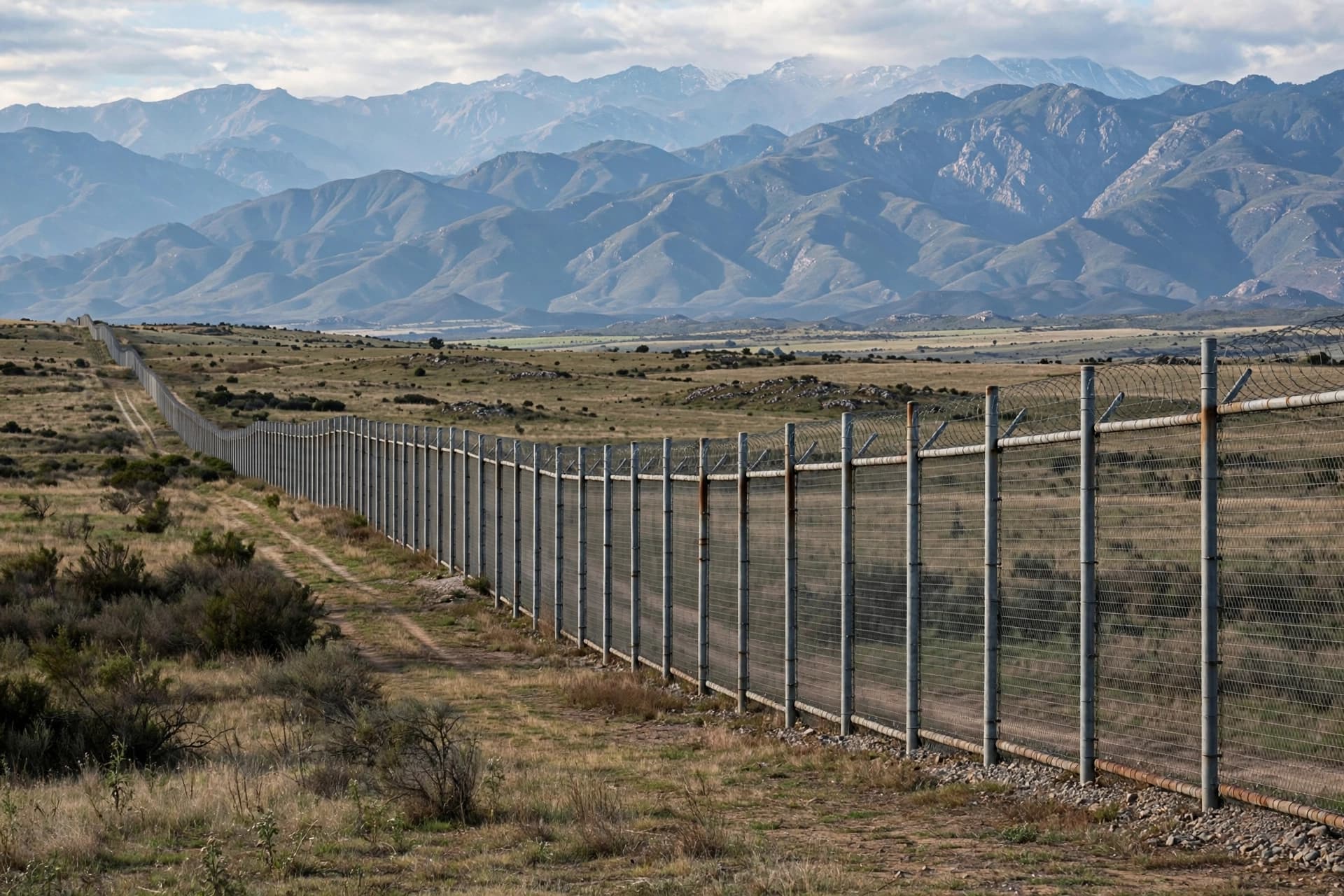
Along the long and porous border between the United States and Canada, a new tension is emerging. Critics and human rights advocates argue that the Trump administration’s "militarized" approach to immigration enforcement raises serious questions about whether the U.S. remains a "safe third country" for asylum seekers. This designation, which allows the two nations to return migrants to the first country they entered, is now under scrutiny due to reports of harsh detention conditions and aggressive raids. Justice requires fairness. Safety is a right.
The term "militarized" refers to the increased use of federal agents, including National Guard troops, in immigration operations. Reports from organizations like Amnesty International highlight cases of excessive force and lack of due process, suggesting a departure from international human rights standards. These allegations have sparked outrage among civil liberties groups. Rights protect dignity. Law must be humane.
For Canada, the implications are significant. If the U.S. is deemed unsafe, the Safe Third Country Agreement could be suspended, forcing Canada to process more asylum claims at the border. This would strain resources and challenge existing immigration policies. Policy adapts to reality. Pressure tests systems.
Legal experts note that the definition of "safe" is not just about physical security but also about procedural justice. If migrants face arbitrary detention or deportation without fair hearings, the label no longer applies. Fairness is foundational. Process protects people.
The debate has become politicized, with some Canadian leaders calling for a review of the agreement while others emphasize the need for border security. Public opinion is divided, reflecting broader concerns about migration and national identity. Dialogue shapes policy. Voice matters.
For migrants themselves, the uncertainty adds to their vulnerability. Many flee violence and persecution, seeking refuge in North America. The changing landscape of enforcement affects their lives profoundly. Hope seeks shelter. Compassion guides action.
As the situation evolves, both governments face pressure to find a balance between security and humanity. Diplomatic discussions are ongoing, aiming to address concerns while maintaining cooperation. Cooperation solves problems. Unity strengthens borders.
In the end, the question of whether the U.S. is a safe country is a moral and legal one. It challenges both nations to uphold their values and obligations. As the debate continues, the hope is for a system that respects human rights and ensures justice. Justice is universal.
AI Image Disclaimer: The visual aids included here are AI-generated illustrations depicting border themes and legal concepts, not actual photographs of specific immigration raids or detention centers.
Sources: The Toronto Star Amnesty International CBC News
Published by Banx Network. This article is part of the Banx decentralized media programme, powered by the BXE token on the XRP Ledger.