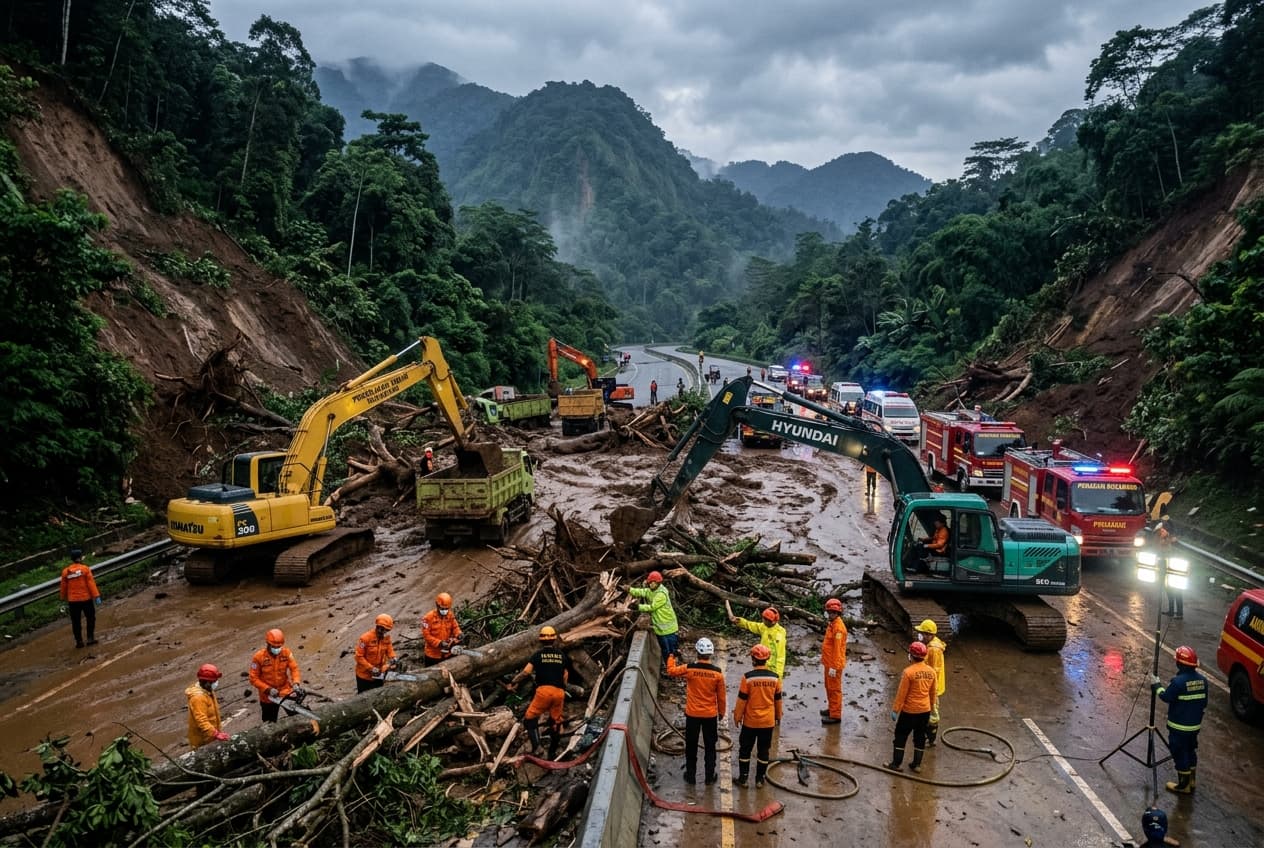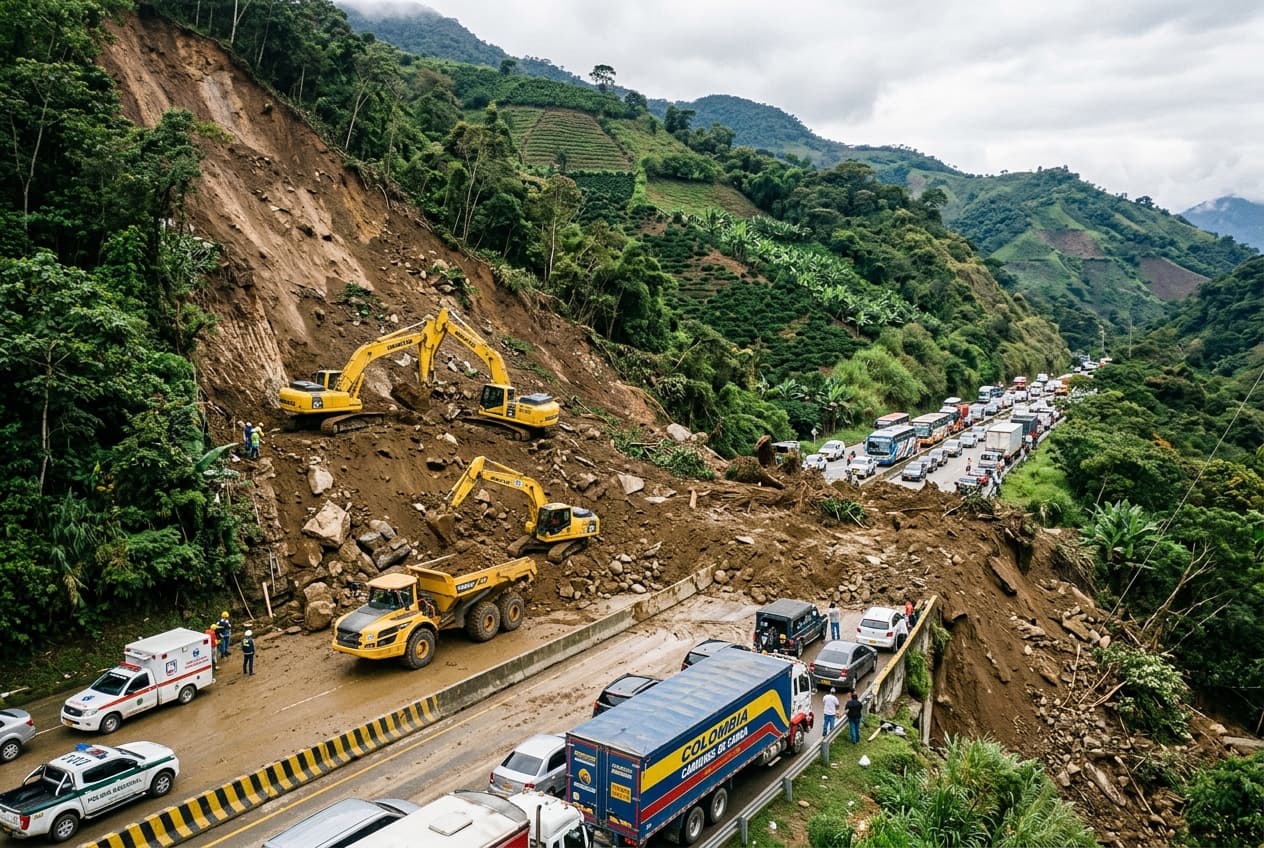
Bogotá, Colombia—A sudden mountain landslide triggered by continuous torrential rain buried a critical segment of the Bogotá-Villavicencio highway early Thursday morning, trapping multiple vehicles under tons of mud and rock. The earth movement struck a narrow mountain pass at approximately 6:45 a.m., completely severing the main economic corridor connecting the capital to the eastern plains. Heavy machinery was immediately dispatched to begin clearing operations.
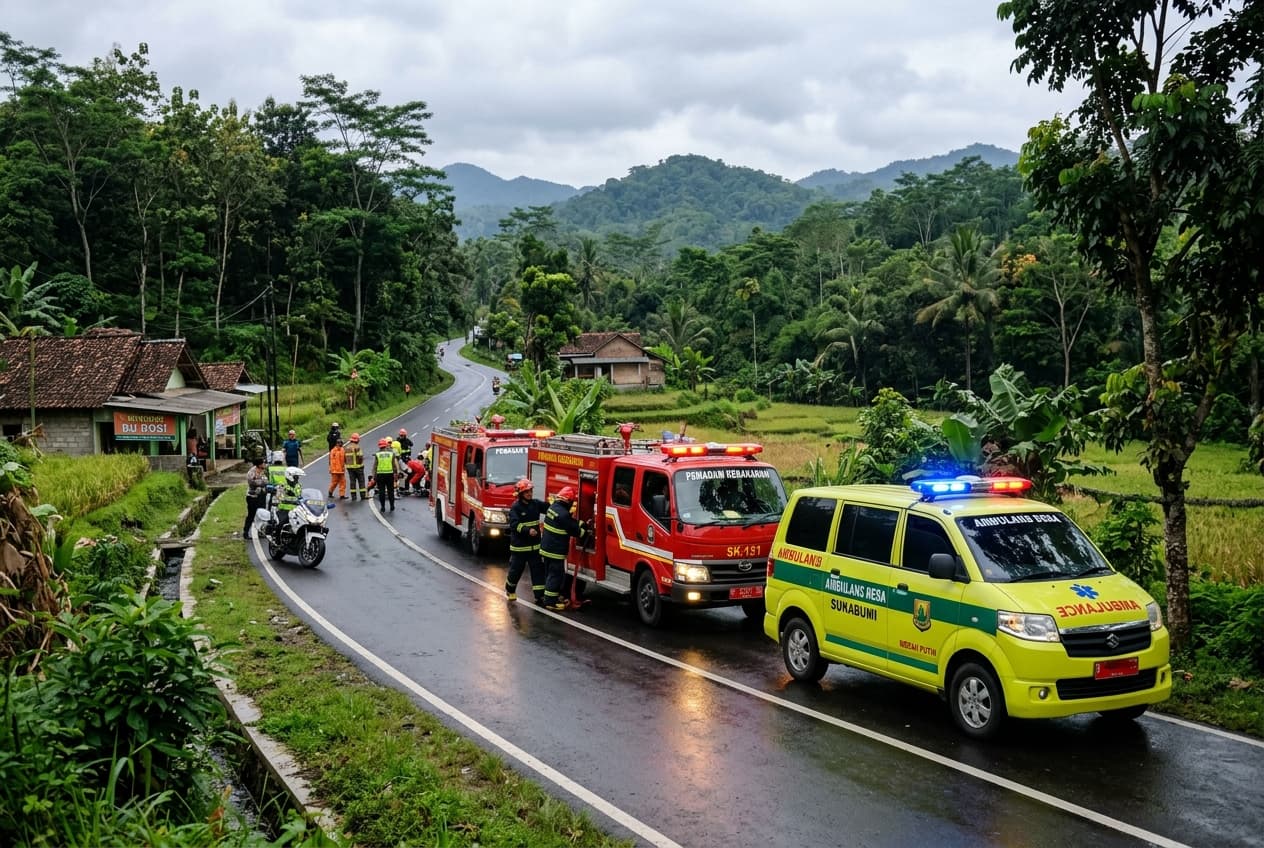
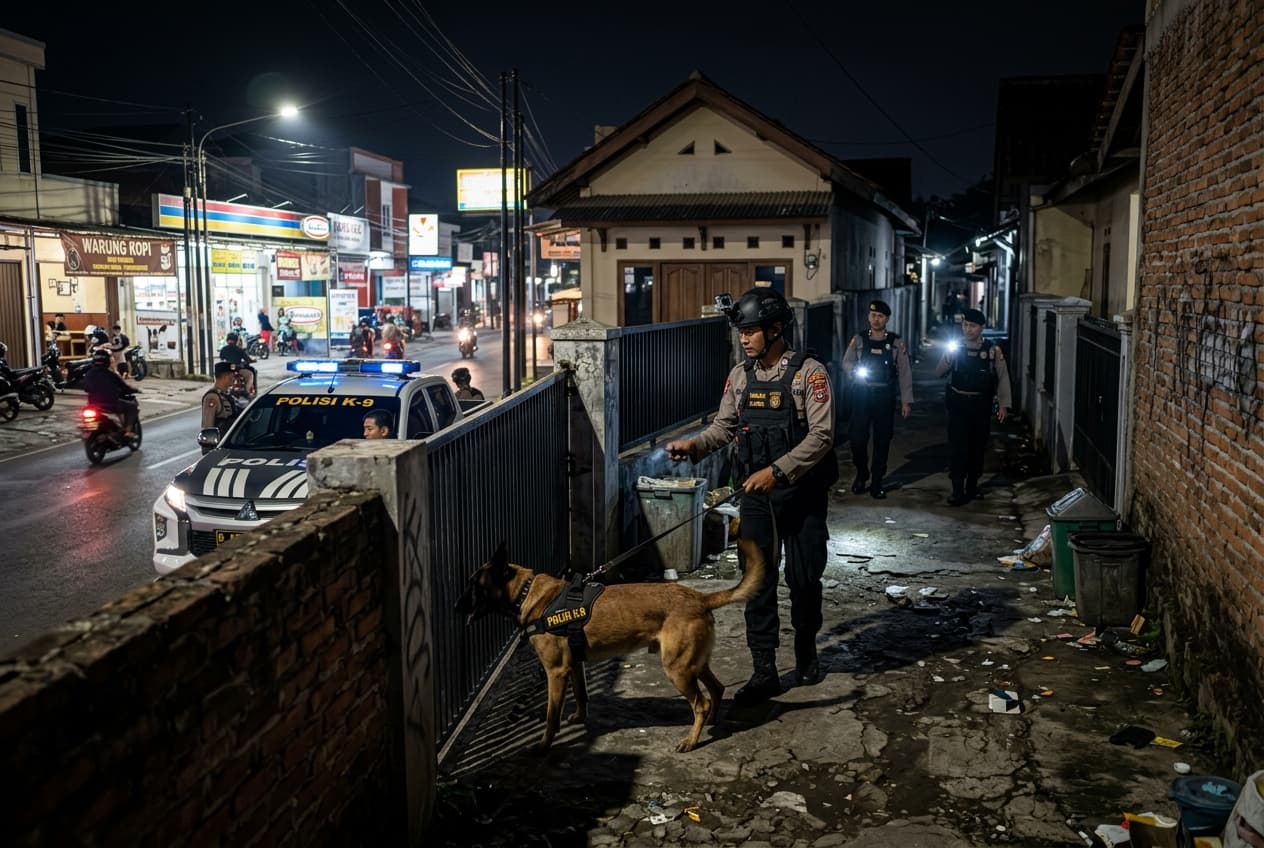
Highway patrol units arrived on scene to find mud, uprooted trees, and massive boulders covering more than two hundred meters of asphalt. Rescue personnel used thermal imaging equipment and trained search dogs to inspect buried vehicles caught in the direct path of the slide. Paramedics treated several motorists suffering from minor injuries and severe shock at a staging area near the blockade.
Long queues of commercial freight trucks and long-distance passenger buses backed up for miles along the winding mountain ascent. Local authorities suspended all toll booth operations along the route to allow stranded drivers to execute U-turns and retreat to safer ground. Civil defense workers warned that unstable soil higher up the slope poses a continuous risk of secondary earth movements.
Geotechnical engineers conducted emergency surveys using drone systems to evaluate the structural integrity of the remaining hillside above the highway. Initial findings indicated that heavy saturation had destabilized the upper soil layers, making immediate heavy equipment operations dangerous. Work was temporarily paused as minor rockfalls continued to cascade onto the roadway.
The closure paralyzed vital agricultural supply lines transporting meat, grains, and produce from the Orinoquía region to central distribution markets in Bogotá. Freight associations warned that prolonged disruption along the route would lead to immediate price spikes and food shortages in urban markets. Alternative mountain bypass routes are severely restricted to light vehicles due to weight limits on older bridges.
Highway concessionaires mobilized bulldozers, front loaders, and dump trucks along both sides of the landslide zone to expedite debris removal once slope stability is secured. Emergency crews established floodlights around the perimeter to enable continuous operations throughout the night. Local police units set up roadblocks at primary highway junctions to divert incoming traffic away from the mountain pass.
Transport ministry representatives declined to provide an official timetable for reopening the highway, emphasizing that safety evaluations must precede all clearance activities. Drivers trapped in the congestion were provided with drinking water and basic food rations by Red Cross mobile units. Emergency services maintain a continuous presence along the affected corridor as heavy rain continues to fall across the region.
Clearance operations remain active as crews work cautiously under difficult weather conditions to clear the primary lane. Geologists monitor sensors installed along the upper cliff face to detect subtle ground shifts before allowing heavy crews closer to the landslide toe. The highway remains closed to all non-emergency traffic until further notice.
Published by Banx Network. This article is part of the Banx decentralized media programme, powered by the BXE token on the XRP Ledger.