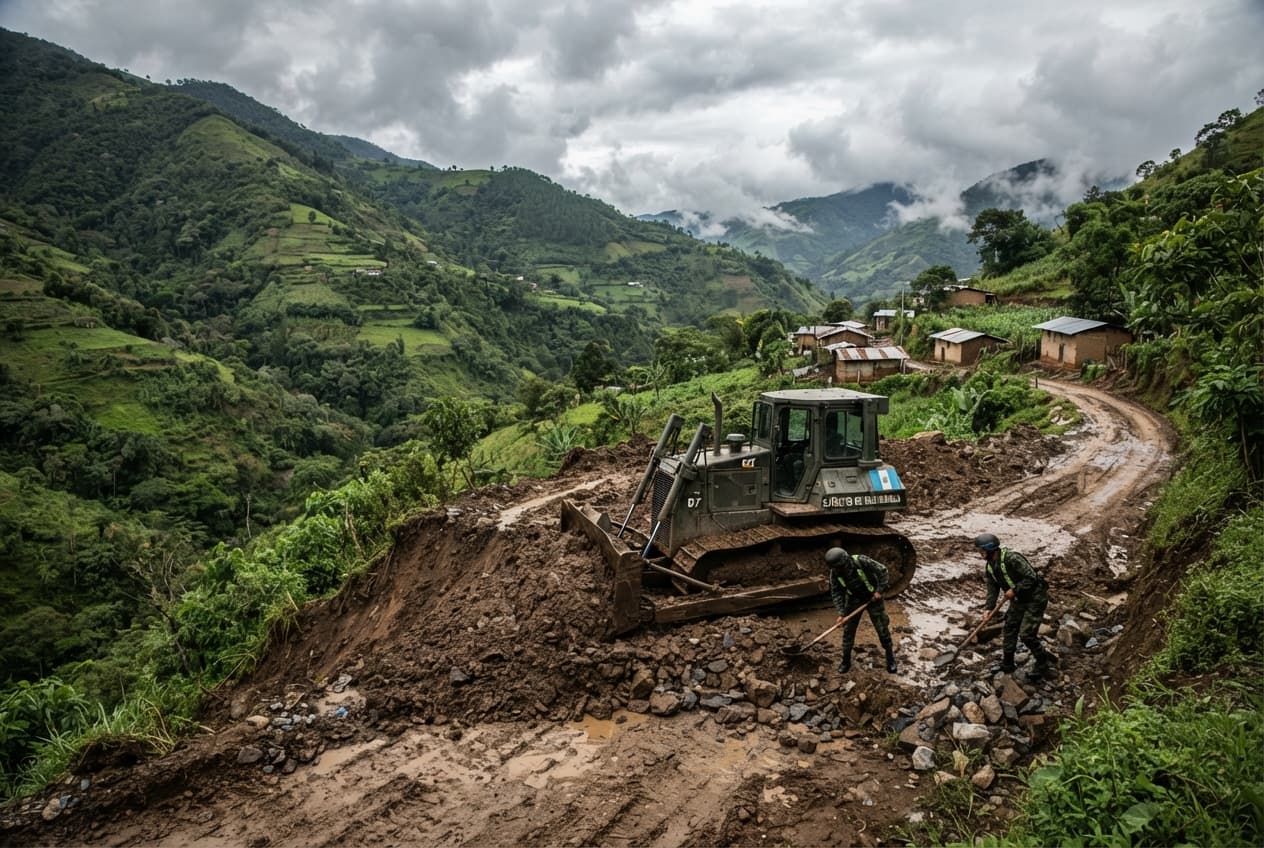
Guatemala City, Guatemala—A massive wall of mud and saturated earth sheared away from an unstable ridge early Tuesday morning, burying multiple homes on the outskirts of the capital. Local disaster coordination agencies reported that continuous torrential downpours undermined the slope stability hours before the final collapse occurred. Emergency dispatch lines flooded immediately as terrified residents in adjacent sectors reported rumbling sounds and vanishing infrastructure.
Firefighters and municipal rescue squads deployed heavy extraction gear to the perimeter, navigating treacherous layers of sliding clay and uprooted trees. Rescuers utilized canine units to pick through pulverized concrete and timber frames where families remained unaccounted for beneath the grey sludge. Civil protection directors warned that persistent rainfall continued to trigger secondary slippages across the upper ridge zone.
Government ministers authorized the immediate deployment of army engineering battalions equipped with bulldozers and hydraulic excavation equipment to clear blocked valley access routes. Makeshift medical tents sprang up along the disaster perimeter to treat survivors suffering from shock, hypothermia, and blunt-force trauma. Regional hospital administrators placed emergency trauma teams on red alert to receive casualties transferred from the disaster zone.
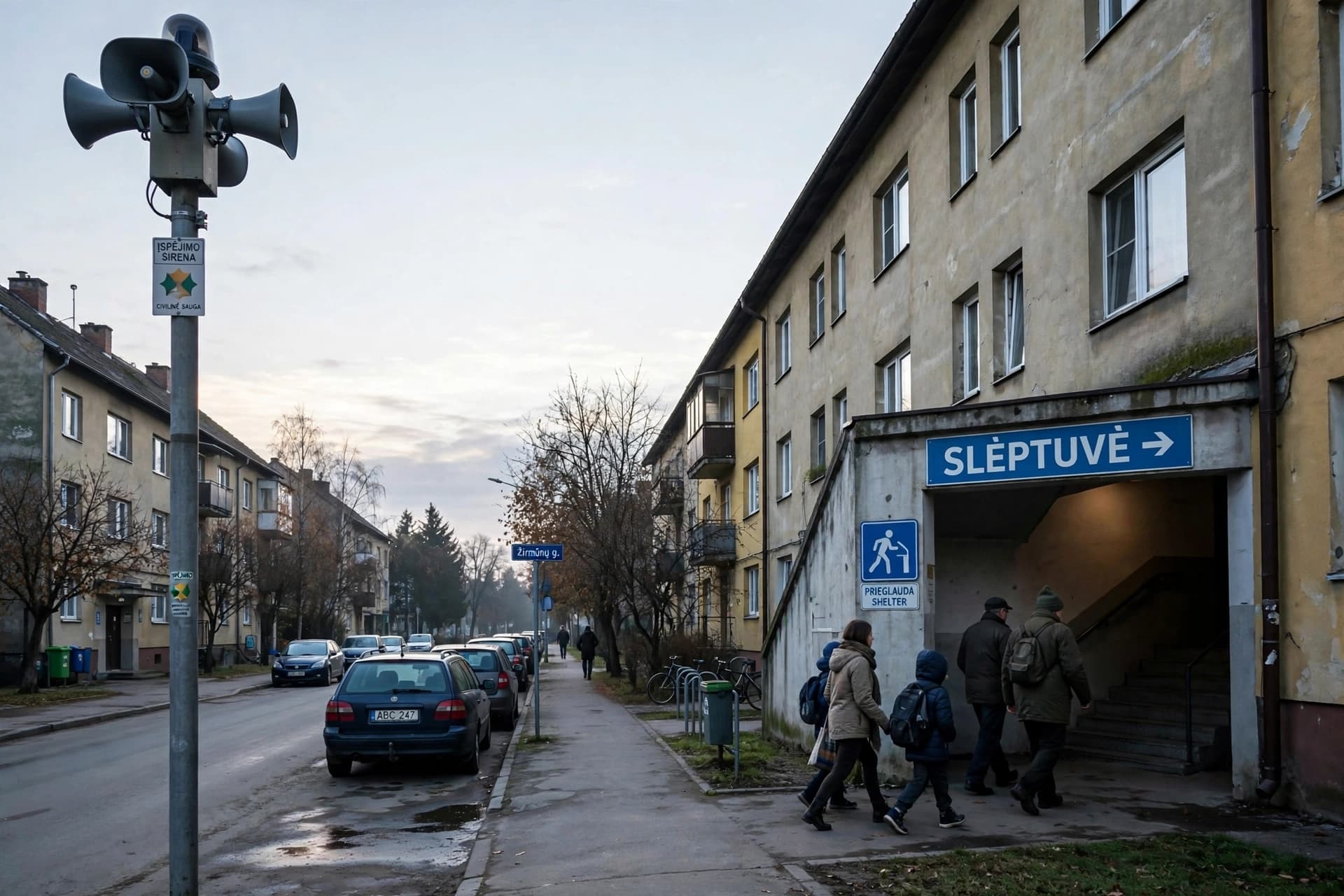
Eyewitnesses described a deafening roar echoing through the canyon just as residential compounds slid down the slope like wet cardboard boxes. Independent geological surveyors noted that informal residential expansion along steep ravine edges significantly increased the vulnerability of the local community. National authorities established temporary shelters inside municipal gymnasiums to house hundreds of displaced individuals evacuated from adjacent high-risk sectors.
Public health officials issued urgent warnings regarding potential water contamination from severed municipal supply lines and compromised residential sanitation facilities. Red Cross logistics teams distributed heavy wool blankets, bottled water, and high-energy rations to families gathered near the security checkpoints. Opposition lawmakers criticized municipal planning commissions for ignoring long-standing zoning prohibitions across high-risk ravine zones.
State police maintained strict security perimeters around the evacuated disaster zone to prevent unauthorized entry while heavy machinery cleared primary roadways. Exhausted rescue workers rotated shifts every four hours to mitigate the extreme physical strain of manual excavation in heavy mud. Government representatives announced that aerial drone surveys would assess upper ridge stability once cloud cover lifted over the valley.
Rescue commanders confirmed that heavy excavators had successfully carved a path to the primary burial sector, though survivors had yet to be located in the deepest slide pockets.
Published by Banx Network. This article is part of the Banx decentralized media programme, powered by the BXE token on the XRP Ledger.