

Key Highlights
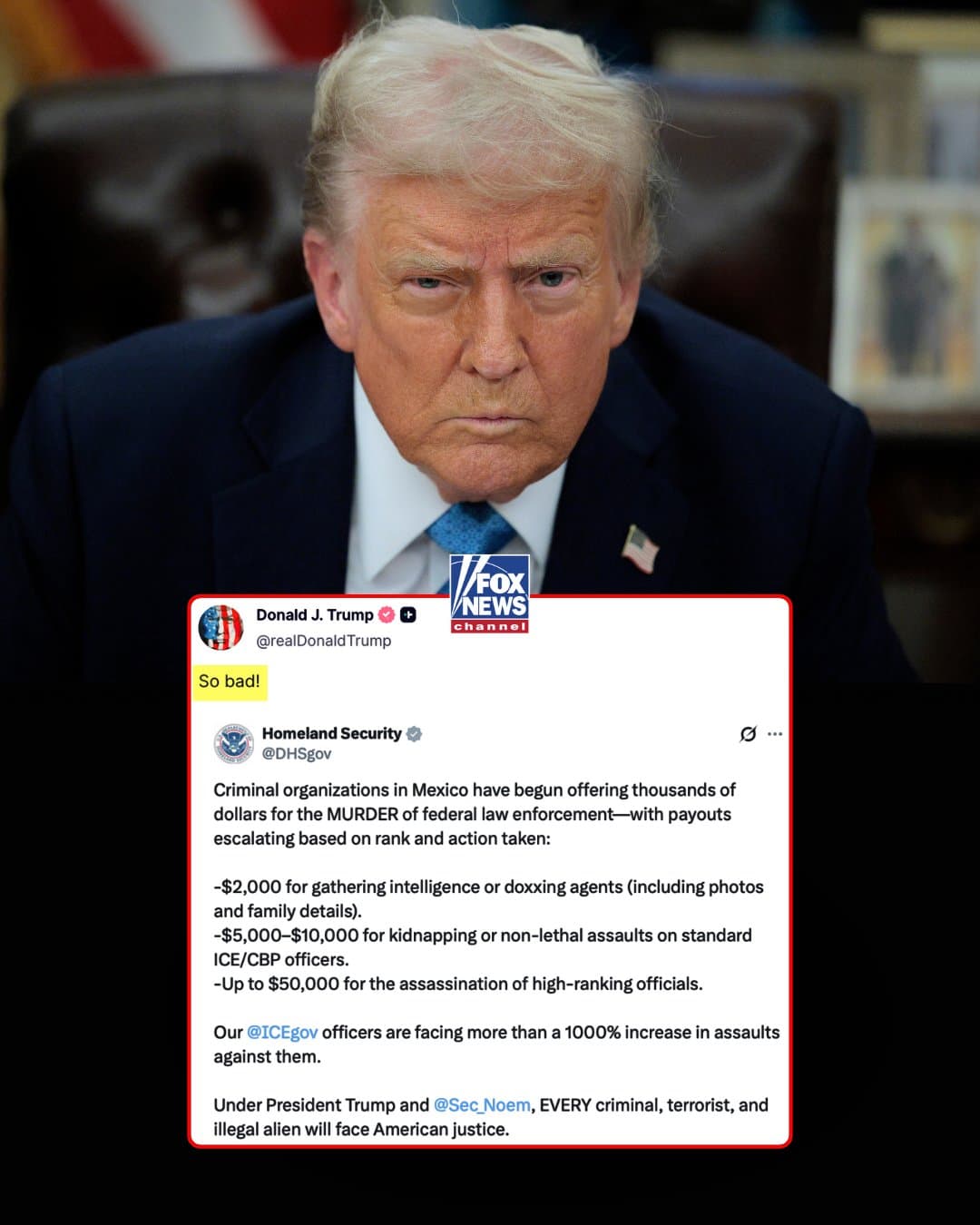
- Bounties:Mexican criminal organizations are offering up to $50,000 for attacks on U.S. federal agents.
- Intelligence Bulletin:The DHS has issued a warning detailing the structured bounty system.
- Targeted Areas:Chicago neighborhoods are identified as hotspots for surveillance of federal agents.
Federal authorities have raised alarms about a disturbing trend among transnational criminal organizations in Mexico, which are reportedly offering substantial financial incentives for targeted attacks on U.S. law enforcement personnel. According to a recent intelligence bulletin from the Department of Homeland Security (DHS), these bounties can reach as high as $50,000 for the assassination of high-ranking officials. The bulletin outlines a tiered payout system: approximately $2,000 for gathering intelligence or “doxxing” agents, between $5,000 and $10,000 for kidnapping or non-lethal assaults on agents from U.S. Immigration and Customs Enforcement (ICE) or U.S. Customs and Border Protection (CBP), and the maximum bounty for killing senior officials.
The DHS bulletin specifically identifies U.S. cities, including Chicago, as critical areas where gang-affiliated individuals are reportedly using rooftops to surveil federal agents. Neighborhoods such as Pilsen and Little Village have been highlighted as hotspots for these activities, raising concerns about the safety of law enforcement personnel operating in these regions.
In addition to the direct threats posed by these bounties, the DHS has accused U.S.-based gangs of collaborating with Mexican organized crime networks to monitor, harass, and potentially assassinate federal agents. This alarming trend has led to increased reports of ambushes, drone surveillance, and death threats against agents, creating a perilous environment for those tasked with enforcing U.S. immigration and customs laws.
Critics of the DHS claims, including representatives from the Mexican government, have expressed skepticism regarding the validity of the cartel-bounty allegations. They argue that there has been no independent verification of these claims, suggesting that the situation may not be as dire as portrayed. However, the implications of these allegations are significant. If substantiated, they indicate a troubling escalation in the threat landscape for federal agents operating within the United States and raise critical questions about the extent of influence and reach that Mexican criminal organizations have over U.S. law enforcement.
The DHS has made it clear that they will not back down in the face of these threats, emphasizing the need for vigilance and cooperation among law enforcement agencies to counteract the growing influence of these criminal syndicates. As the situation develops, the safety of federal agents remains a paramount concern, underscoring the ongoing challenges faced by law enforcement in combating organized crime.
Published by Banx Network. This article is part of the Banx decentralized media programme, powered by the BXE token on the XRP Ledger.




