
Key Highlights
- Over 250 residents in South Carolina quarantined due to measles exposure.
- At least 111 confirmed cases reported in Spartanburg and surrounding areas.
- Health officials emphasize vaccination as the best defense against the virus.
In the heart of December, as holiday lights twinkle and the air turns crisp, a troubling narrative unfolds in South Carolina’s Upstate region. The community is grappling with a resurgence of measles, a virus once declared eliminated in the United States in 2000. This unexpected outbreak has led to over 250 residents, including schoolchildren and adults, being placed in quarantine after potential exposure, marking a stark shift in the local landscape.
As of this week, health authorities have confirmed at least 111 cases of measles in Spartanburg and neighboring counties, a number that continues to rise. The rapid acceleration of this outbreak has alarmed state epidemiologists, prompting urgent public health responses. Schools, which typically echo with the sounds of learning and laughter, now feature empty desks and quiet hallways, stark reminders of the virus's impact on daily life.
Dr. Linda Bell, South Carolina’s state epidemiologist, has expressed concern over the recent surge in cases, noting that the region's vaccination rates fall below the levels necessary to prevent widespread transmission. The measles virus is highly contagious, spreading through the air via respiratory droplets, and can linger in shared spaces long after an infected person has left. This characteristic makes it one of the most infectious diseases known, with even brief contact posing a risk of transmission.
The quarantine measures, which can last up to three weeks from the last known exposure, extend beyond individual classrooms or households, affecting families, workplaces, and community routines. Some students are facing quarantine for a second time, as the cycle of exposure and isolation continues to disrupt their education and social interactions. The emotional toll on families is palpable, as they navigate the challenges of remote learning and altered daily routines.
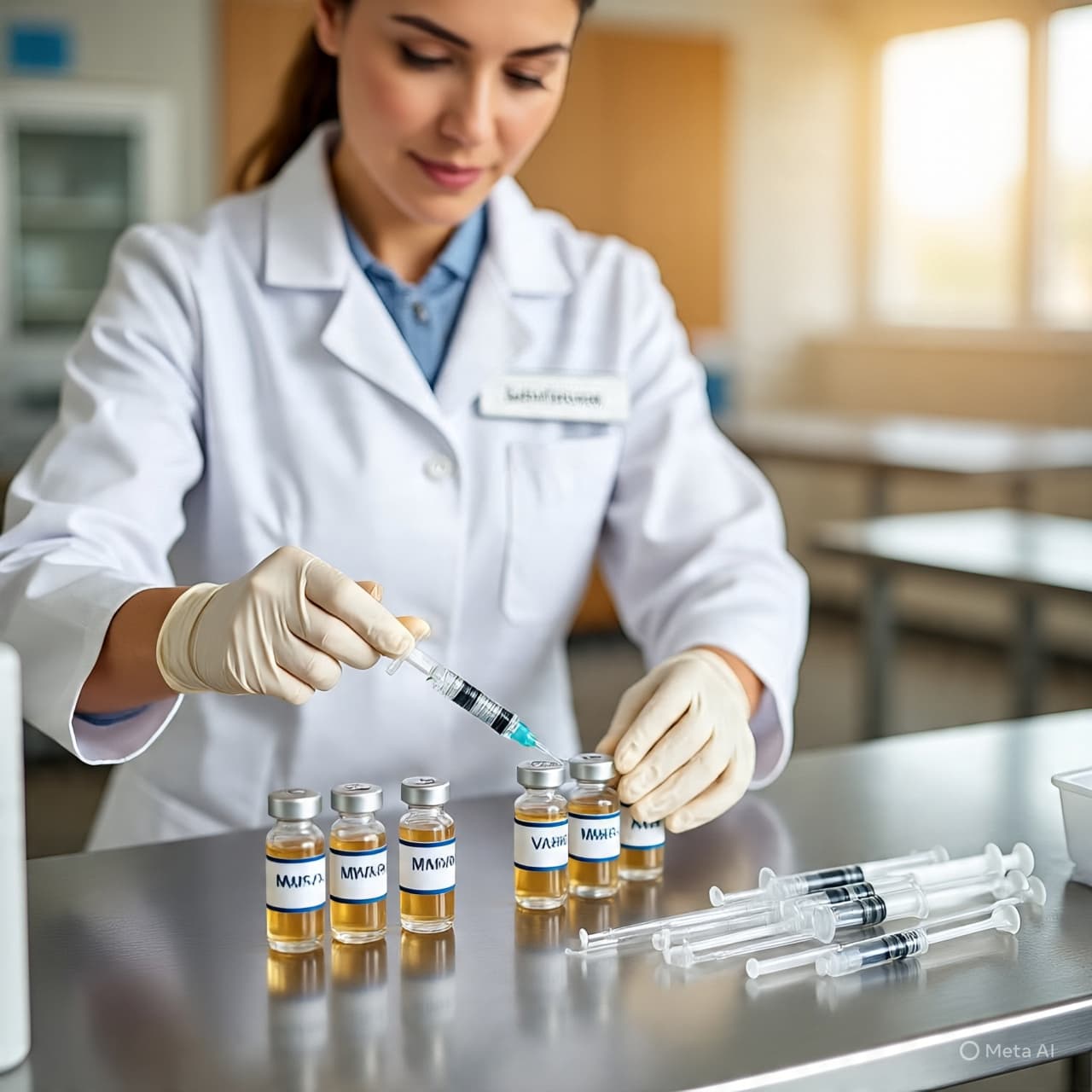
Public health officials are emphasizing the importance of vaccination as the most effective defense against measles. The measles, mumps, and rubella (MMR) vaccine, when administered according to schedule, provides robust protection. This situation in South Carolina is reflective of a broader trend across the United States, where nearly 2,000 confirmed cases of measles have been reported this year, a level not seen in decades. Clusters of unvaccinated individuals are increasingly vulnerable to a virus that was once thought to be under control.
As families adjust to this new reality, marked by quarantine notices and health briefings, there is a collective yearning for a return to normalcy. The hope is not only for the containment of the outbreak but also for a future where conversations about health and safety are balanced with community connection and responsibility. The delicate nature of this return underscores the importance of collective action in safeguarding public health.
In these challenging times, the community's resilience is tested, and the lessons learned from this outbreak may shape future public health strategies. As South Carolina navigates this resurgence of measles, the emphasis on vaccination and community cooperation remains paramount in the fight against infectious diseases.
Published by Banx Network. This article is part of the Banx decentralized media programme, powered by the BXE token on the XRP Ledger.



