In the historic Sandwich Town neighbourhood of Windsor, Ontario, a bold municipal initiative is underway to address urban blight and housing shortages. The city has begun the process of expropriating 45 vacant and derelict properties, a move that local councillor Frazier Fathers describes as "the right thing to do for the neighbourhood." This decision reflects a growing willingness among local governments to take assertive action against neglect, prioritizing community well-being over private ownership rights in cases of long-term abandonment.
The properties in question have stood empty for years, becoming eyesores and potential safety hazards. Boarded-up windows, overgrown yards, and structural decay have contributed to a sense of decline in the area. For residents, these homes represent missed opportunities and a drain on community spirit. The city’s plan aims to reclaim these assets, renovate them, and return them to the housing market, thereby revitalizing the neighborhood and increasing supply.
Councillor Fathers argues that expropriation is a necessary tool when voluntary compliance fails. Despite previous efforts to encourage owners to maintain or sell their properties, many have remained unresponsive. By stepping in, the city asserts its responsibility to protect the public interest. This approach challenges traditional notions of property rights, suggesting that ownership comes with social obligations that must be met.
The process involves legal steps to acquire the land, followed by assessments and renovations. The city plans to work with developers and non-profit housing providers to ensure the homes are restored efficiently. This collaborative model aims to balance speed with quality, ensuring that the new housing is safe and affordable. It is a pragmatic solution to a complex problem, leveraging public power for private benefit.
Critics of expropriation often cite concerns about government overreach and compensation fairness. However, supporters emphasize that these properties have already failed their owners and the community. The value lies not just in the buildings but in the potential they hold for renewal. By transforming blight into beauty, the city hopes to spark further investment and pride in Sandwich Town.
For the residents, the announcement has been met with cautious optimism. Many have waited years for change, and this plan offers a tangible path forward. Community meetings have allowed for dialogue, addressing fears and building consensus. The engagement process is crucial, ensuring that the redevelopment reflects the needs and desires of those who live there.
The success of this initiative could serve as a model for other cities facing similar challenges. Urban decay is a widespread issue, and innovative solutions are needed. Windsor’s approach demonstrates that proactive municipal leadership can make a significant difference. It highlights the importance of viewing housing not just as a commodity but as a fundamental component of community health.
In the end, the expropriation of these 45 homes is a statement of intent. It signals that neglect will no longer be tolerated and that revitalization is a priority. For Sandwich Town, it is a chance to rewrite its story, turning empty shells into vibrant homes. The journey ahead requires patience and collaboration, but the destination is a stronger, more inclusive neighborhood.
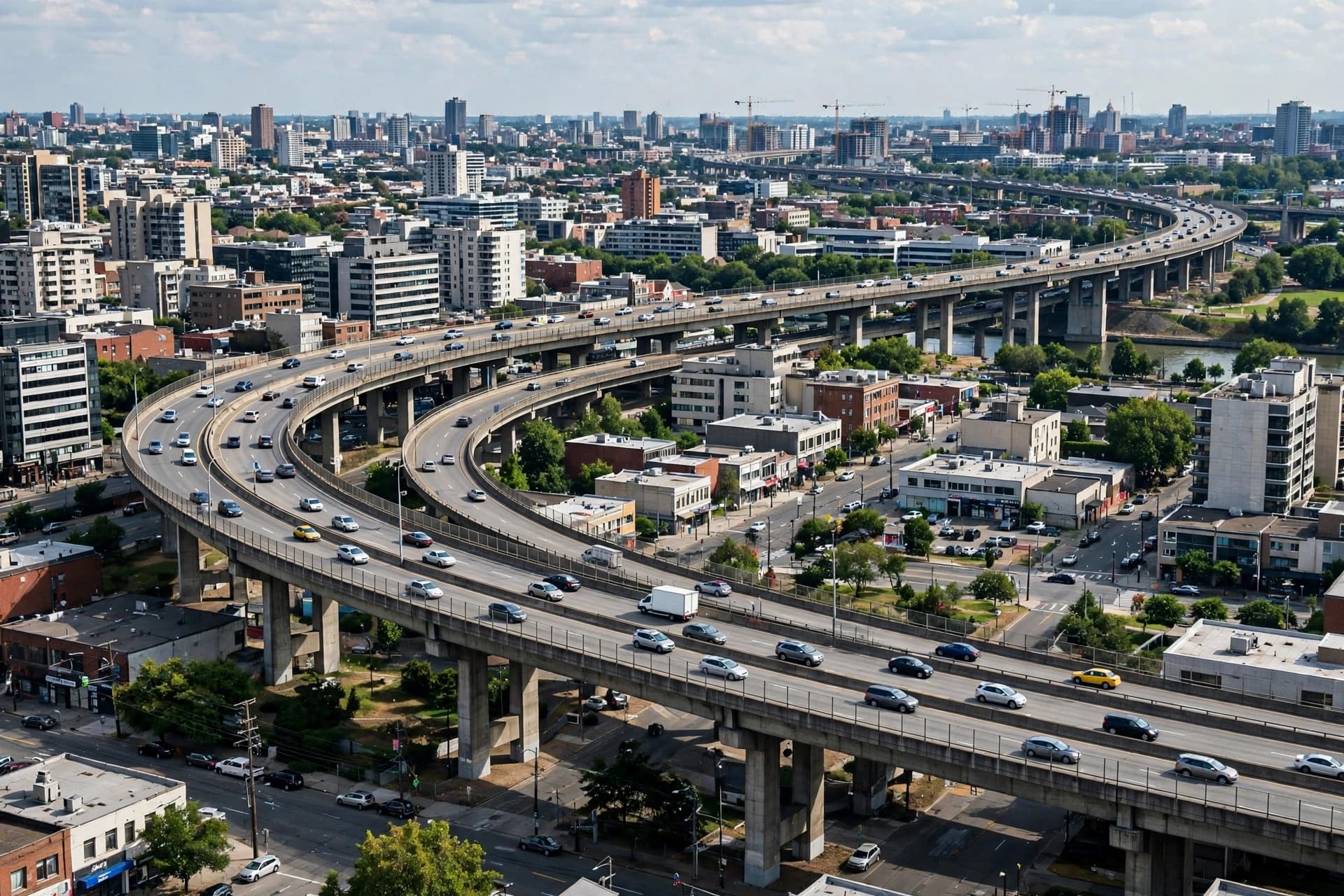
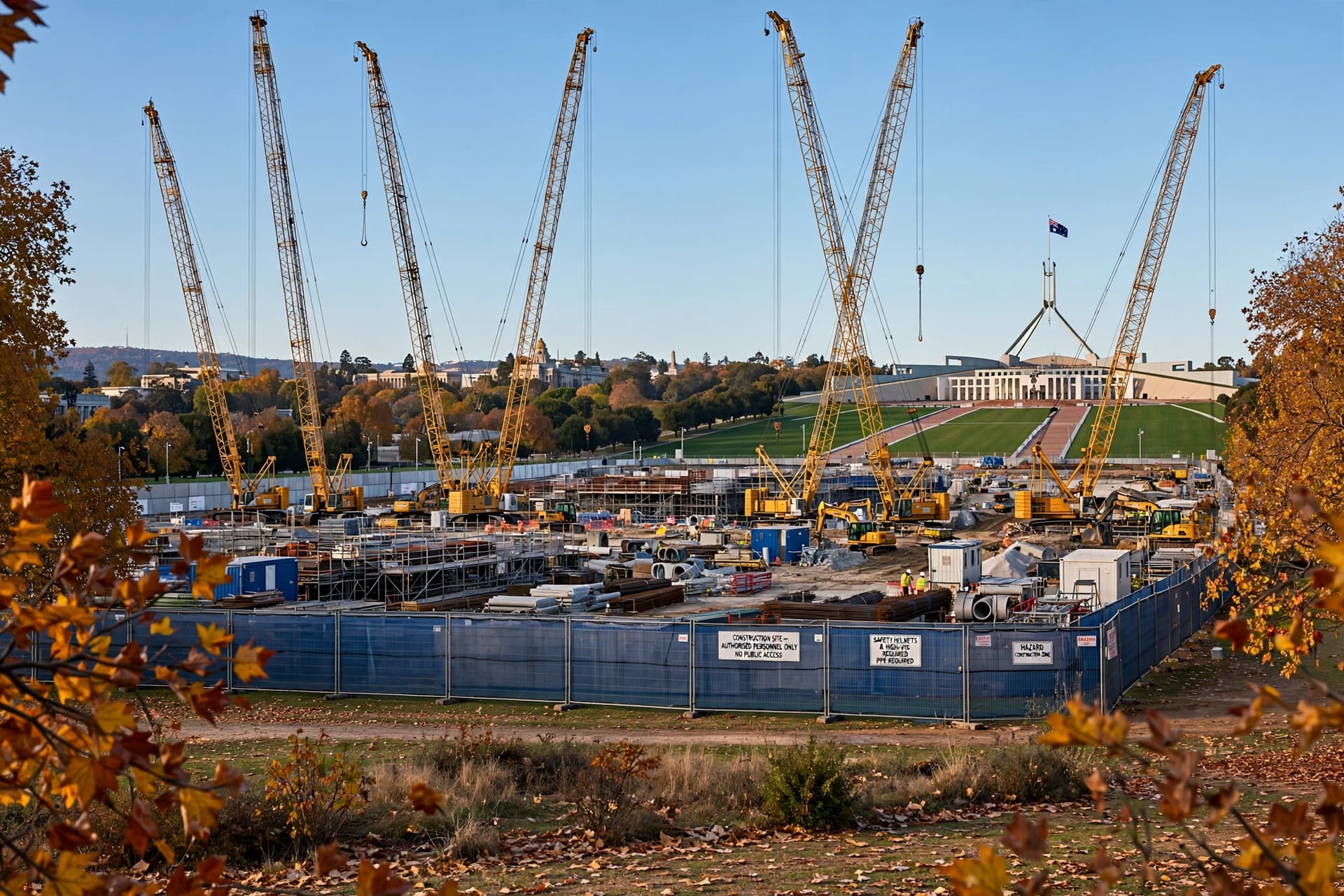
AI Image Disclaimer: Visuals in this article are AI-generated illustrations of residential streets and abstract representations of urban renewal, designed to visualize the theme of redevelopment without depicting real proprietary properties or specific individuals.
Sources: CBC News Windsor, CTV News Windsor, AM800 CKLW, City of Windsor Press Release
Published by Banx Network. This article is part of the Banx decentralized media programme, powered by the BXE token on the XRP Ledger.