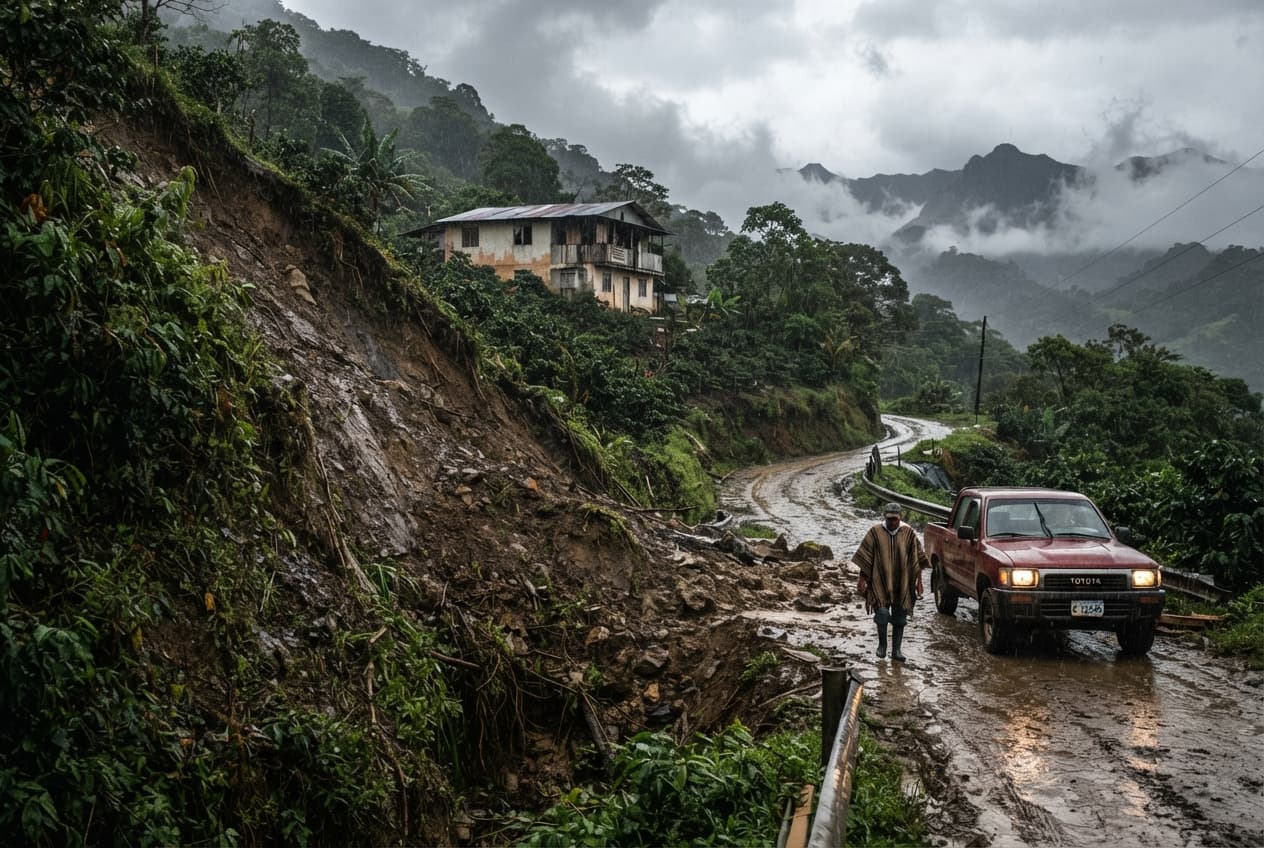
Costa Rica—Millions of tons of saturated earth crashed down a steep mountain ridge directly onto a major interstate highway route. The sudden landslide swept passing passenger vehicles off the paved asphalt into a deep rocky ravine. Twisted metal wreckage vanished beneath a massive wave of mud and debris.
Continuous seasonal downpours had weakened hillside stability across the regional mountain pass for days. Transport authorities had issued general weather warnings without closing the high-speed transportation corridor. Vehicles were traveling near capacity when the hillside gave way without warning.
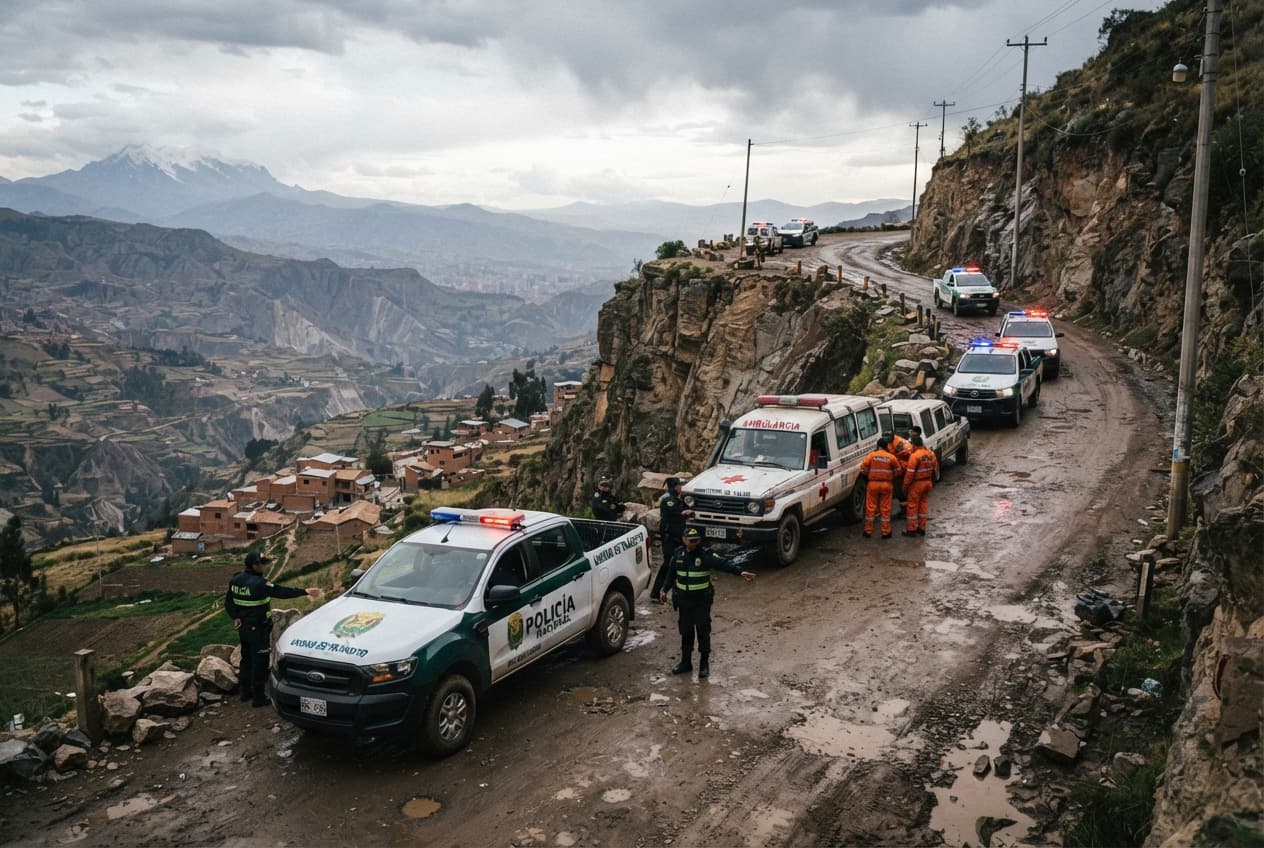
Civil protection agents and volunteer firefighters rushed to the disaster zone with manual shovels and rescue gear. Heavy excavation machinery struggled to reach the remote ravine due to secondary mudslides blocking access roads. Rescuers labored under torrential rain while searching for survivors trapped beneath the debris.
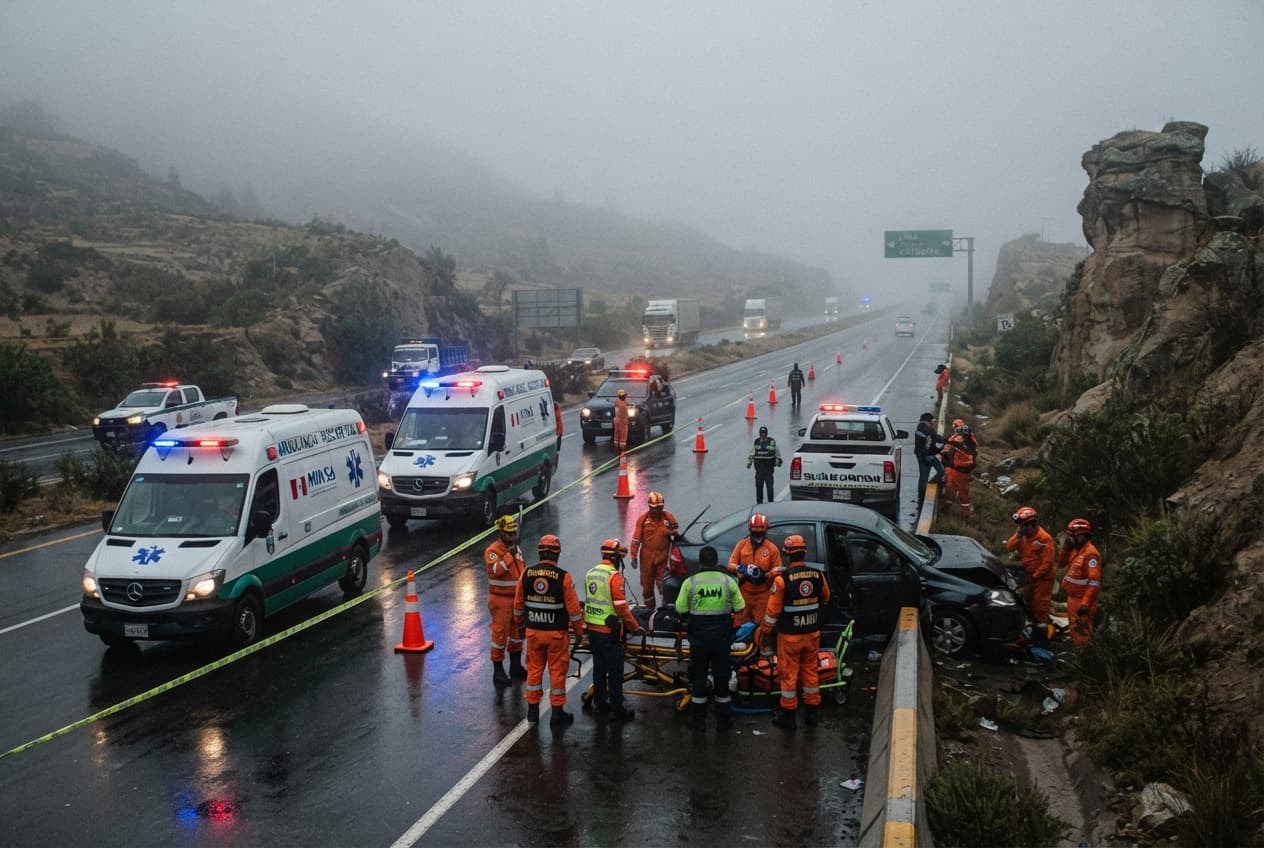
Two motorists were confirmed dead at the scene from severe crush injuries sustained during the impact. More than ten other travelers pulled from the wreckage suffered critical fractures and were transported to regional clinics. Local hospitals launched emergency blood donation drives to handle the crisis.
Transportation ministry officials faced intense criticism over inadequate slope stabilization infrastructure along major mountain routes. Engineering audits had identified multiple vulnerable fault lines across the highway network months prior. Commercial traffic ground to a complete standstill across the national trade corridor.
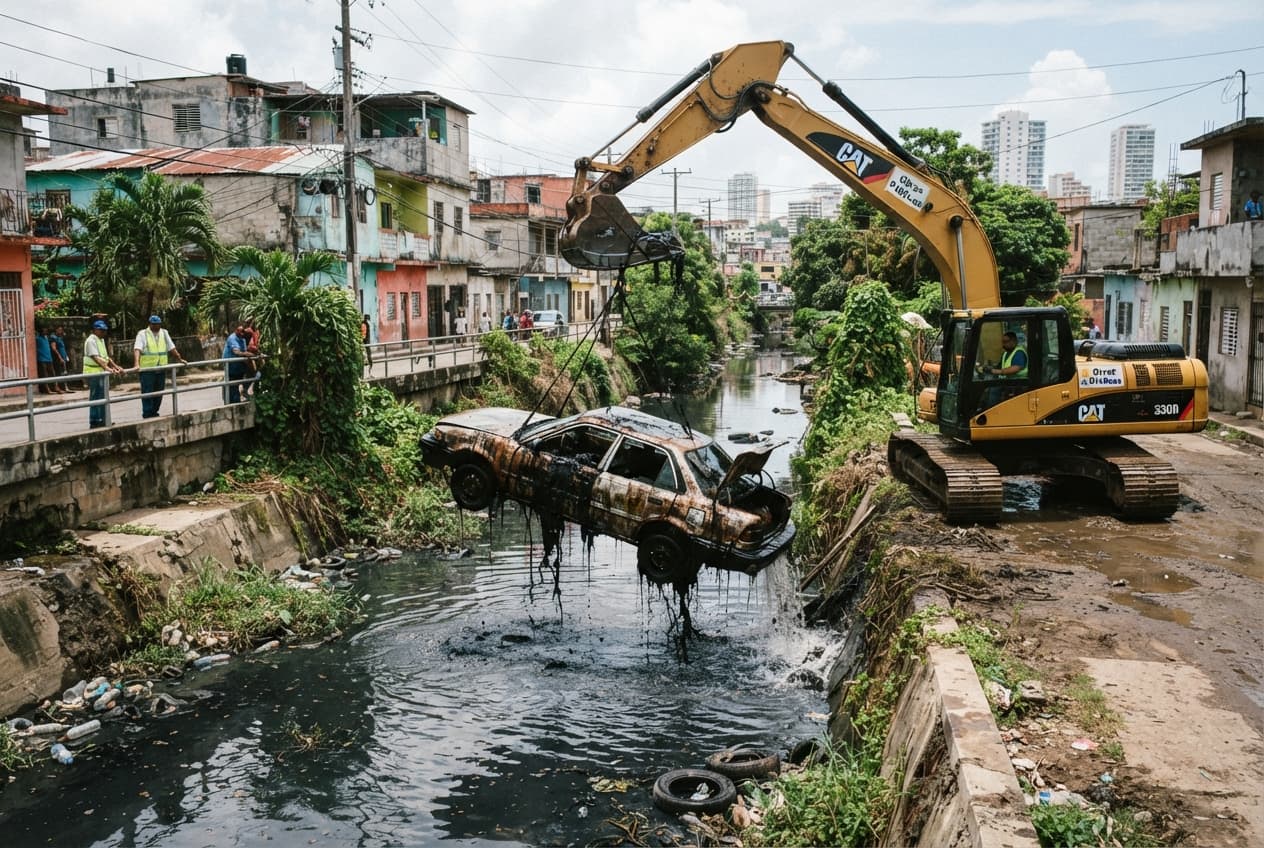
Heavy-duty recovery cranes worked under floodlights to hoist crushed car chassis out of the mud bed. Forensic teams recovered personal belongings scattered across the debris field for identification purposes. Traffic restrictions remain active along the entire mountain pass while engineers assess structural risks.
The threat of additional landslides keeps rescue teams on high alert throughout the night. Geological survey units monitor ground movement along adjacent ridges
Published by Banx Network. This article is part of the Banx decentralized media programme, powered by the BXE token on the XRP Ledger.