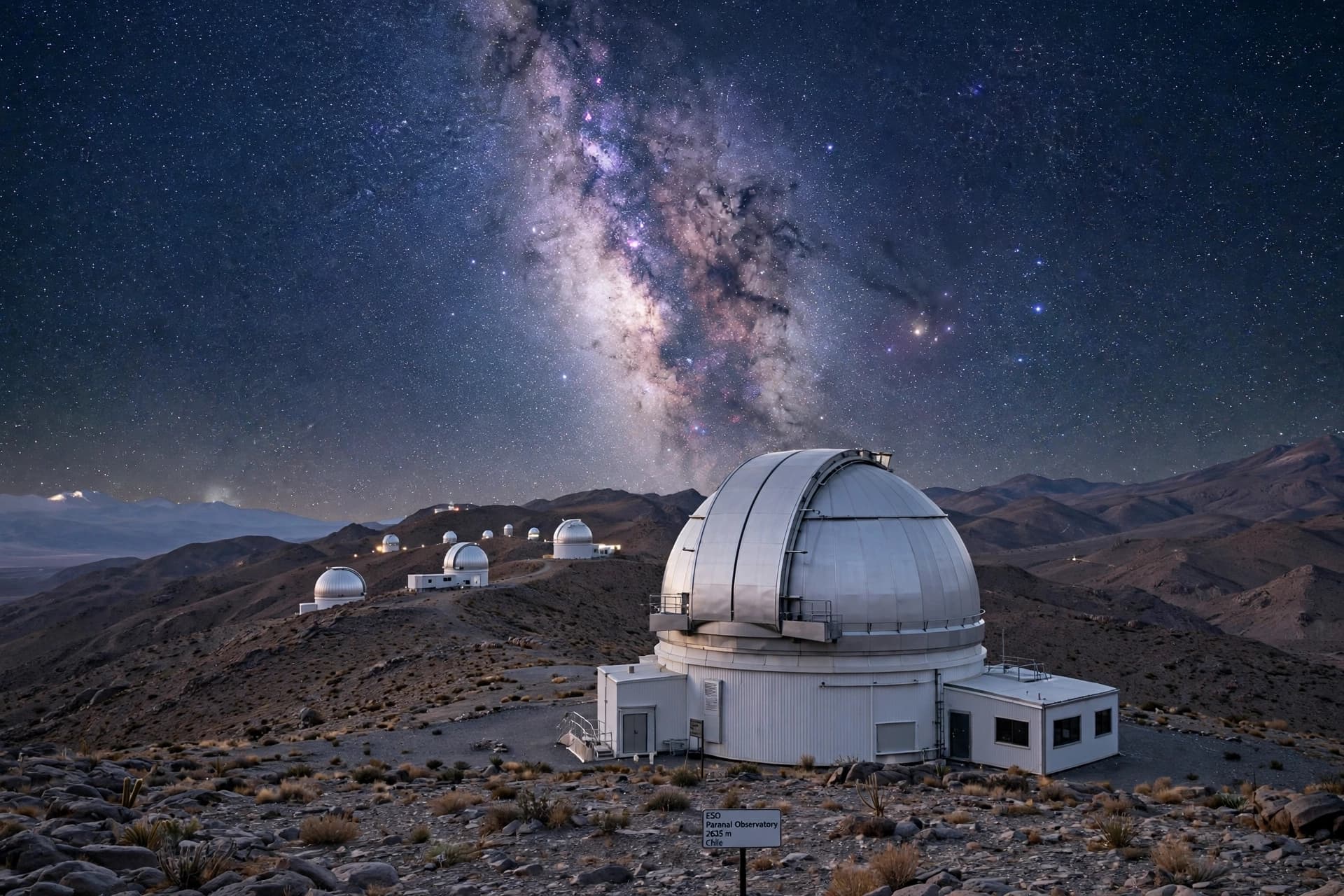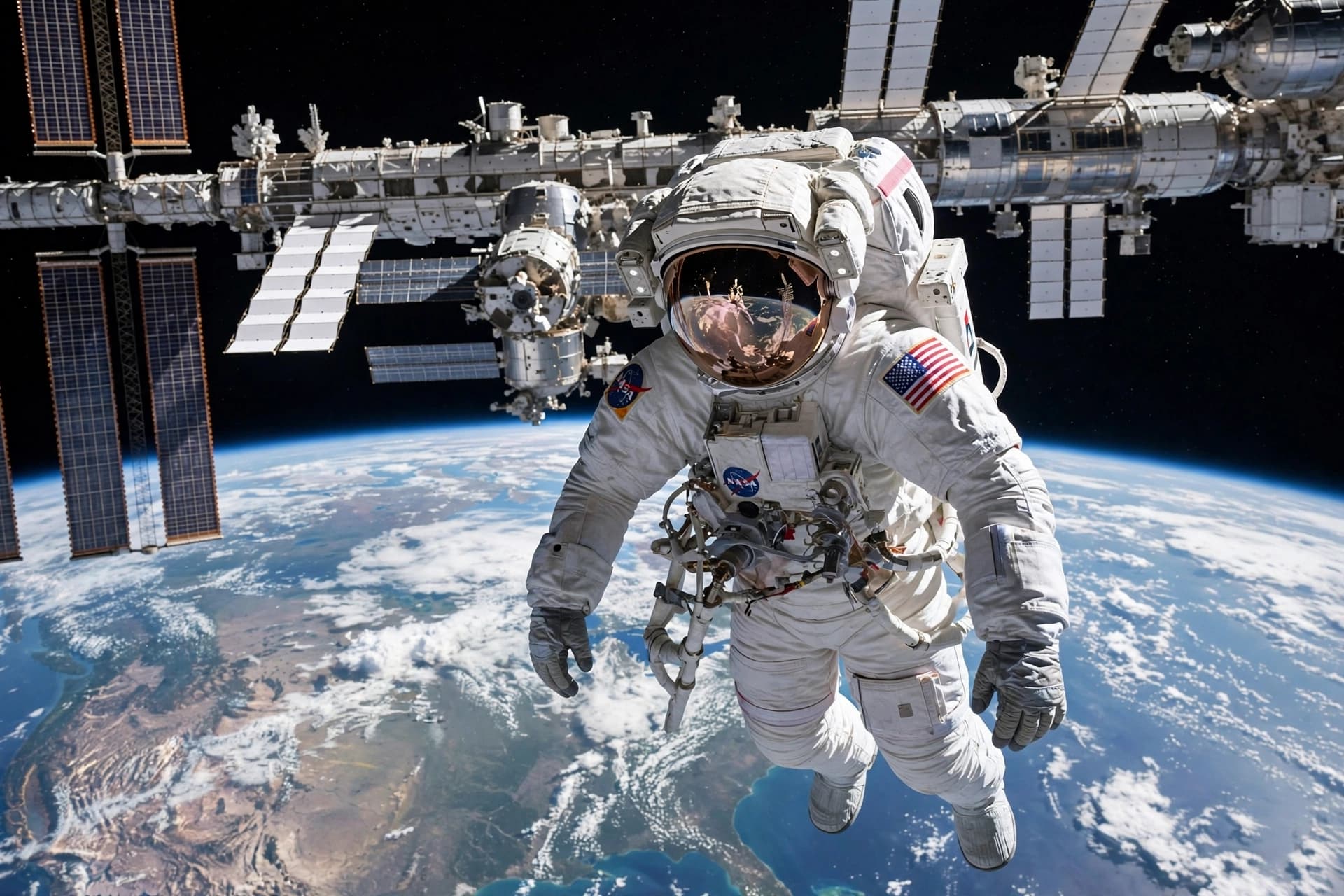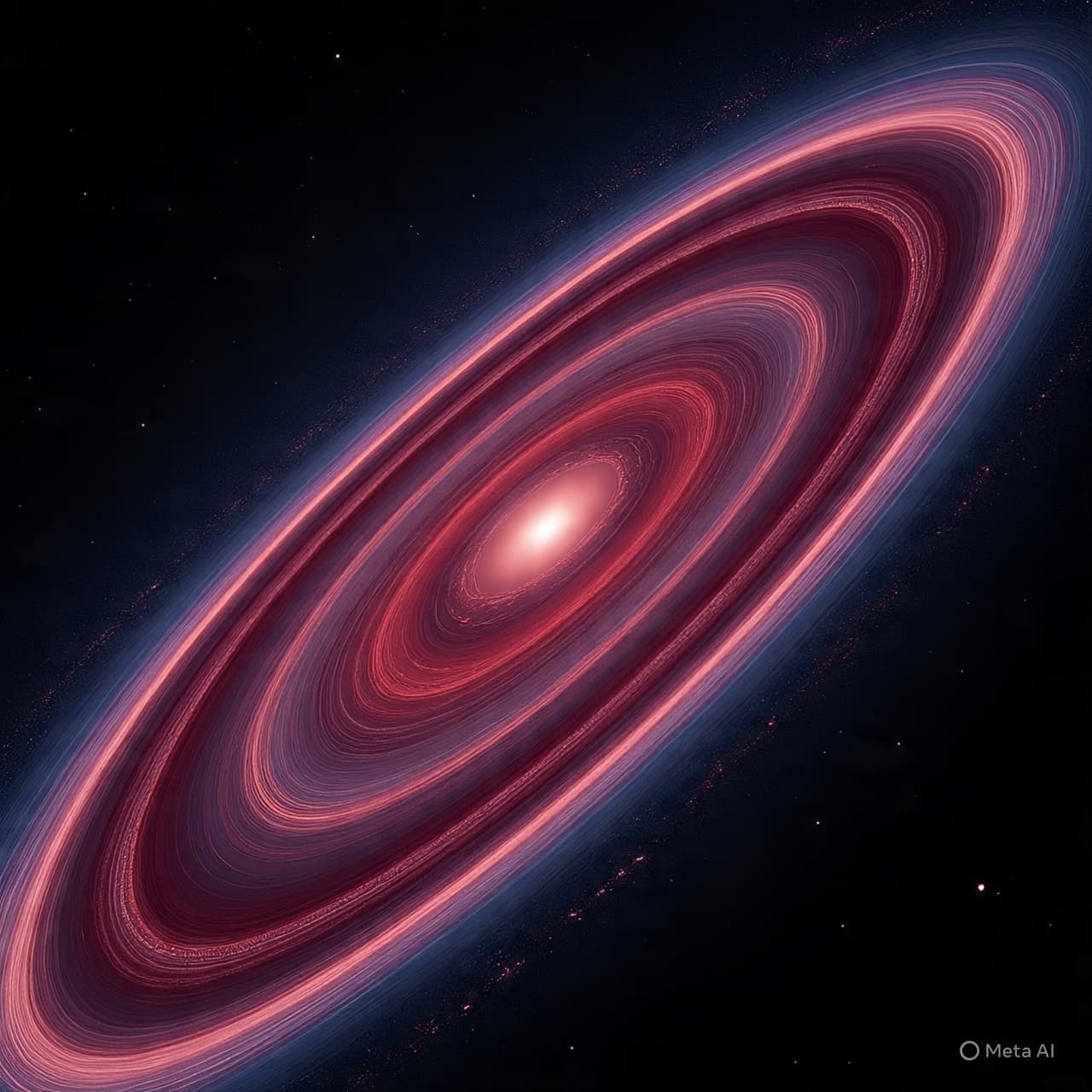
In the wide, silent theater of the cosmos, stars don’t merely shine — they turn. Imagine a ceaseless whirl, the sort of majestic rotation a dancer carries into every motion. Long before human gazes pierced the darkness, stars had already begun their elegant pirouette, each spin weaving the tapestry of its own life story. Now, astrophysicists are lending careful ears to this gentle cosmic rhythm, discovering that stellar rotation is far more than a footnote in an astronomical ledger — it may be a guiding force shaping how stars live, evolve, and reveal the elements that eventually become the building blocks of worlds.
Early in the life of a star, atoms and ions simmer in a hot, dense interior. For decades, scientists observed stars through brightness and spectra, interpreting their surface light as signatures of temperature, mass, and age. Yet like the whisper of wind through leaves, the subtle influence of rotation was often hard to discern directly. With new high‑resolution simulations and refined models, researchers have begun tracing how a star’s spin stirs its interior, moving elements from core to surface in a process richer and more nuanced than once thought.
This rotation isn’t a static characteristic. Far from it — stars slow with age, are tugged by magnetic winds, and sometimes spin unexpectedly fast as they grow older. The way they mix gases and forge new elements deep within hinges on how they turn. In rotating red giants, for example, this churning motion was found to enhance elemental mixing by factors far exceeding what would happen if they remained static spheres of plasma. By matching simulation outputs with chemical signatures observed in real stars, astrophysicists are mapping a new understanding of stellar evolution — one where rotation plays a central, dynamic role.
In the grand saga of cosmic evolution, rotation now appears as a quiet but persistent protagonist. It doesn’t shout from mountaintops or flare in fireworks; instead, it patiently circulates materials and energy within stars, orchestrating their life cycles more gently and subtly than gravity alone. As telescopes and computational models grow more powerful, the nuanced dance of stars is coming into clearer view, inviting us to perceive the universe not just as static light in a dark sky, but as a living choreography.
AI Image Disclaimer (rotated style) Visuals are created with AI tools and are not real photographs, meant to illustrate concepts discussed.
Sources (listed) DailyGalaxy The University of Victoria Astronomy Research Centre The Ohio State University Department of Astronomy CEA/Irfu Astrophysics Department arXiv astrophysics literature
Published by Banx Network. This article is part of the Banx decentralized media programme, powered by the BXE token on the XRP Ledger.