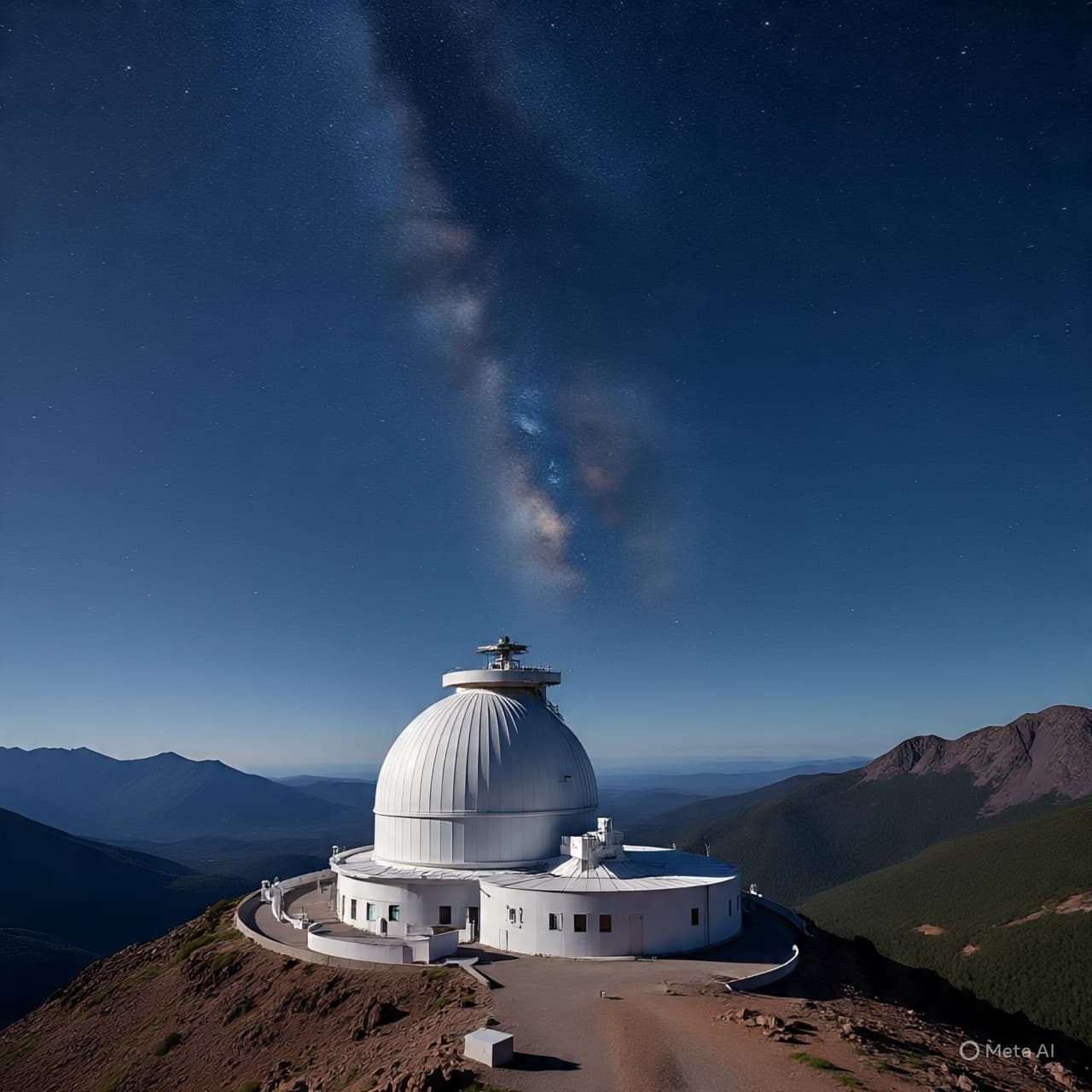
There are nights when silence seems absolute — the sky draped in a quilt of stars, the world beneath wrapped in calm. Yet, on one recent evening atop a lonely Andean peak in northern Chile, the cosmos stirred in a way that transformed quiet into a chorus of information. The Vera C. Rubin Observatory, built to watch the heavens with extraordinary sensitivity, spent a night turning gentle light into a river of alerts that washed across computer screens around the world, revealing the restless nature of the night sky.
When the first wave of notifications arrived — roughly 800,000 messages sent to astronomers on the night of February 24 — it was more than an impressive tally. It was the opening stanza of a new symphony in astronomy, where every flicker, motion, or flash overhead was not merely observed but shared in near real time with scientists ready to listen and learn.
The Rubin Observatory is not just a telescope rising from the mountainside. It is an intricate system of optics, the largest digital camera ever built for astronomy, and a sophisticated data pipeline that compares each new image of the sky with a deep template assembled from previous nights’ views. When anything changes — a star that brightens, a distant supernova that flares, or a small asteroid wandering through the solar system — the system issues an alert within minutes.
For decades, astronomers collected snapshots of the sky that often remained static until painstaking analysis. Rubin’s real-time alert network transforms that pace into a living stream, a continuous flow that invites exploration as events unfold. Each notification is a prompt — a gentle nudge to look closer, to pivot telescopes, to study mysteries that might otherwise slip unnoticed through the vastness of space.
The 800,000 alerts sent on a single night are just the beginning. As the observatory progresses toward full commissioning and eventually its decade-long Legacy Survey of Space and Time (LSST), that number could climb to millions. The scale of this effort marks not simply a technical achievement but a shift in how humanity engages with the universe, from passive observer to active participant in cosmic discovery.
In a world where so much of life rushes forward in a blur of urgency, the night sky offers timeless wonder. And now, through Rubin’s watchful gaze and rapid alerts, that wonder is presented not as distant poetry but as an immediate invitation to uncover the dynamic story unfolding above us.
In the coming months and years, astronomers will sift, filter, and respond to this stream of alerts — from bright exploding stars to hidden asteroids, from flaring galactic cores to the subtle twinkle of variable stars. The alert system heralds an era in which the universe’s patterns may reveal themselves more clearly, more swiftly, and more collaboratively than ever before.
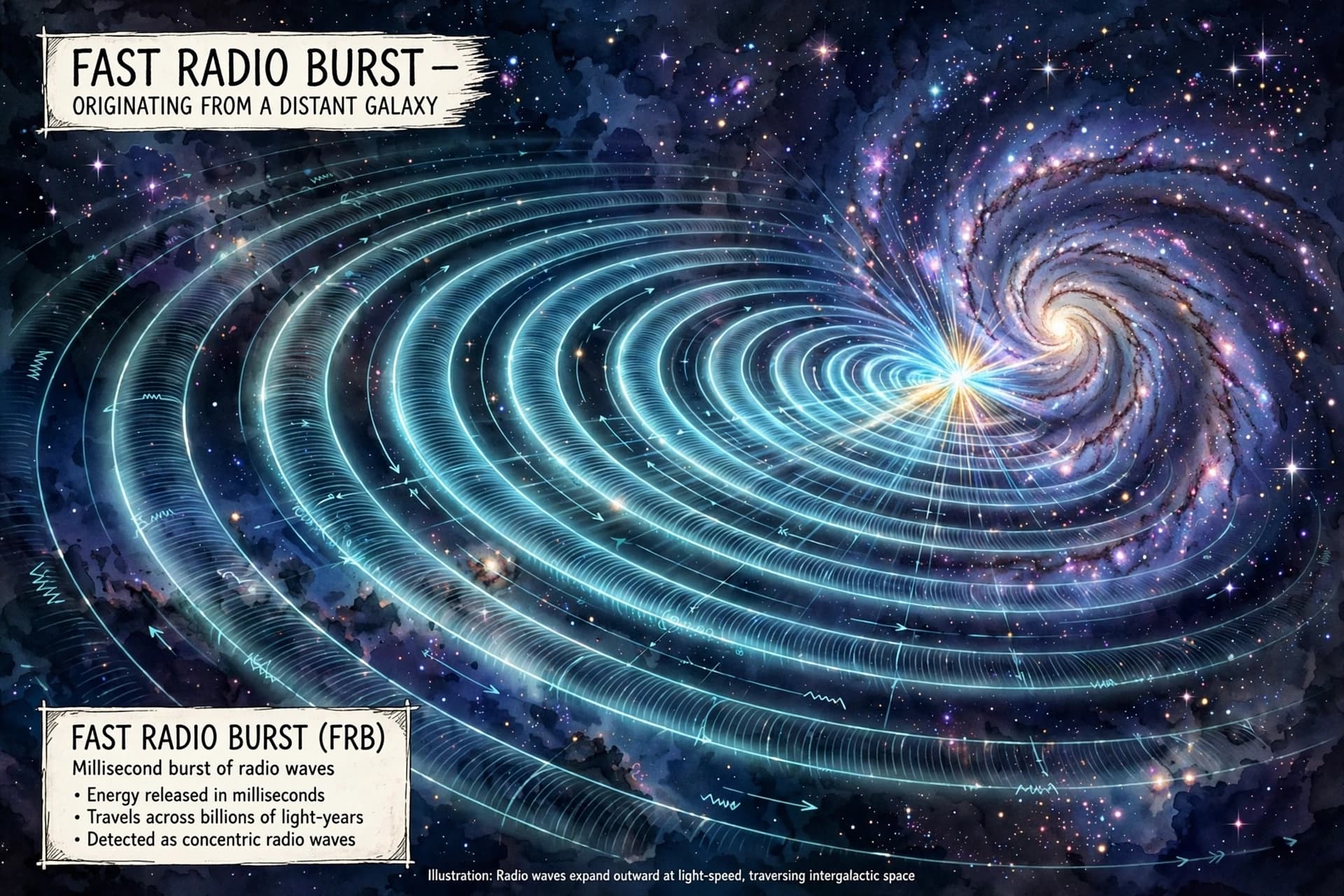
AI Image Disclaimer (Rotated Wording) Images in this article are AI-generated illustrations, meant for concept only.
Sources Gizmodo Stanford News Scientific American Live Science NSF–DOE Rubin Observatory press release
Published by Banx Network. This article is part of the Banx decentralized media programme, powered by the BXE token on the XRP Ledger.