The universe is often perceived as a vast emptiness, yet it is teeming with a delicate cycle of creation and destruction. Stars are born from clouds of gas, live their brilliant lives, and eventually return their material to the cosmos, seeding future generations. For decades, astronomers have sought to observe the precise moment when dying stars cast off their outer layers, a crucial step in this cosmic recycling process. Recently, a novel telescope under construction in Chile has captured this elusive "missing link," offering a clearer view of how matter is returned to the interstellar medium. This discovery invites reflection on the continuity of existence and the intricate mechanisms that sustain the galactic ecosystem. It is a moment where the end of one star becomes the beginning of another.
The observations focus on clumps of gas ejected by aging stars, known as asymptotic giant branch stars. These ejections are not uniform but occur in complex, asymmetric patterns that were difficult to resolve with previous instruments. The new telescope’s high resolution allows scientists to see the detailed structure of these outflows. Detail reveals mechanism. Clarity brings understanding.
By studying these gas clumps, researchers can better understand how heavy elements like carbon and nitrogen are distributed throughout the galaxy. These elements are essential for the formation of planets and life itself. Without this recycling, the universe would remain a sterile place of hydrogen and helium. Chemistry depends on history. Life relies on legacy.
The technology behind the telescope represents a significant leap in observational capability. By operating at specific wavelengths, it can peer through the dust that often obscures these events, revealing the hidden dynamics of stellar death. Innovation pierces the veil. Technology extends sight.
For astrophysicists, this finding helps refine models of stellar evolution and galactic chemical enrichment. It confirms theoretical predictions about the mass-loss rates of dying stars and their impact on the surrounding environment. Theory meets observation. Models gain strength.
As the telescope continues its operations, more such events are expected to be discovered, filling in other gaps in our knowledge of the cosmic cycle. Each observation adds a piece to the puzzle of our origins. Curiosity drives progress. Knowledge connects us to the stars.
A new telescope in Chile has observed the missing link in cosmic matter recycling by capturing detailed images of gas clumps ejected by dying stars. This finding enhances our understanding of stellar evolution and galactic chemical enrichment. The hope is for continued discoveries that map the lifecycle of matter in the universe.
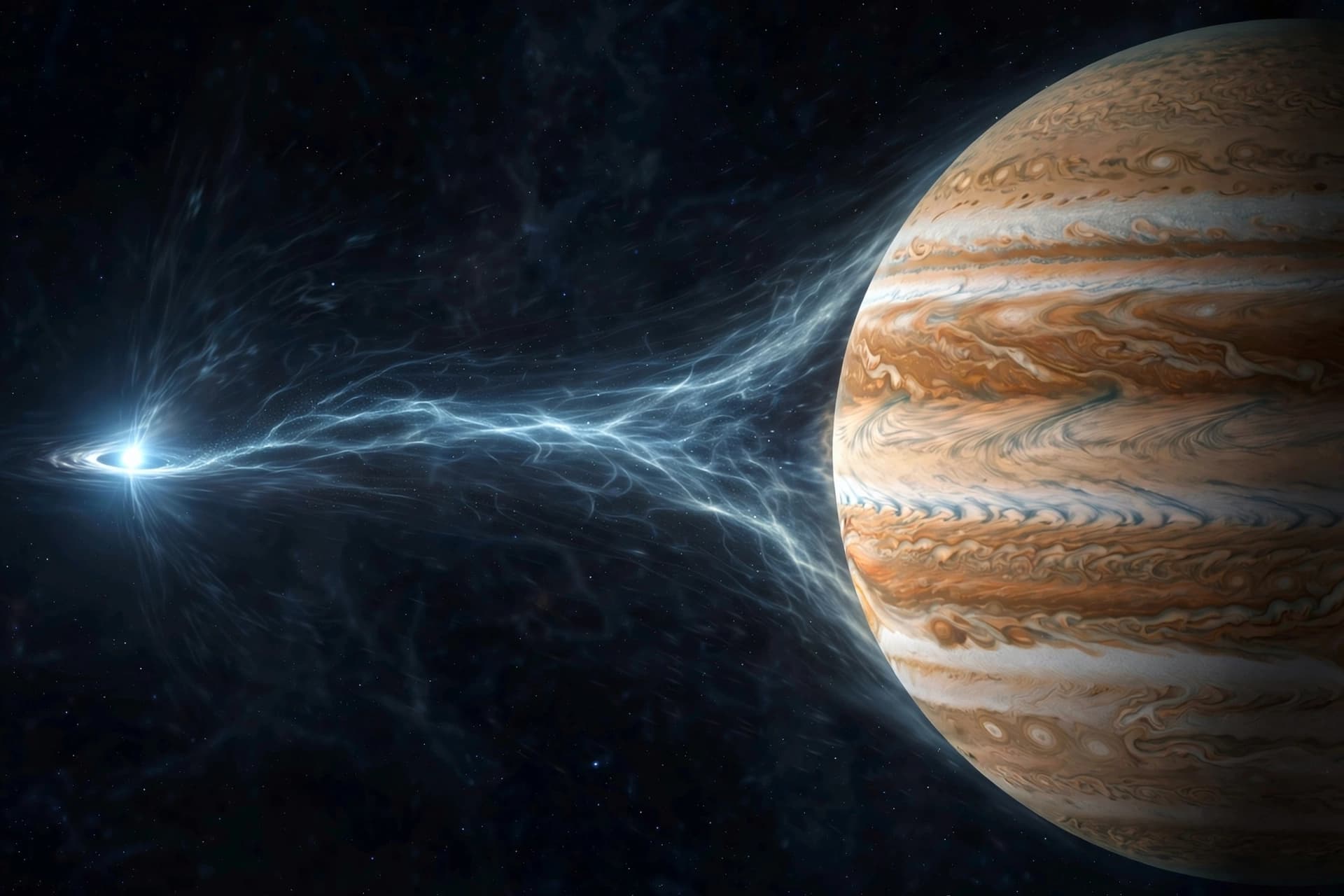
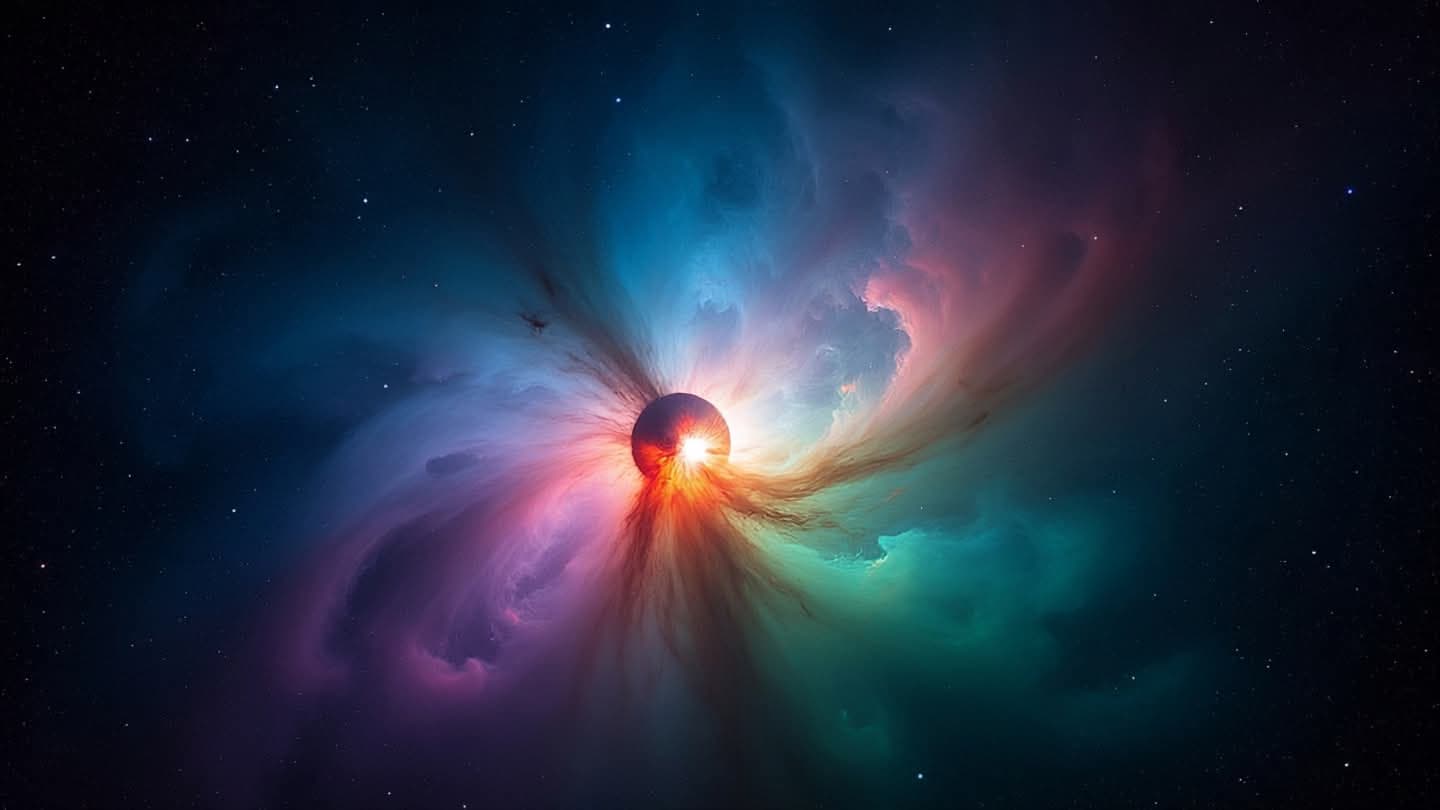
AI Image Disclaimer: The visual elements accompanying this report are AI-generated interpretations designed to reflect the astronomical and scientific context of the story.
Sources: Science Magazine ESO Nature Astronomy
Published by Banx Network. This article is part of the Banx decentralized media programme, powered by the BXE token on the XRP Ledger.