The Moon has long been a symbol of purity and mystery, a silent watcher in our night sky that inspires poetry and wonder. Yet, as nations and private companies accelerate their plans to return to its surface, a new concern emerges from the shadows of ambition. The prospect of lunar colonization and resource extraction brings with it the risk of turning our celestial neighbor into a cosmic landfill. This dilemma invites reflection on the responsibilities of exploration and the preservation of extraterrestrial environments before they are irrevocably altered. It is a moment where human progress meets planetary stewardship.
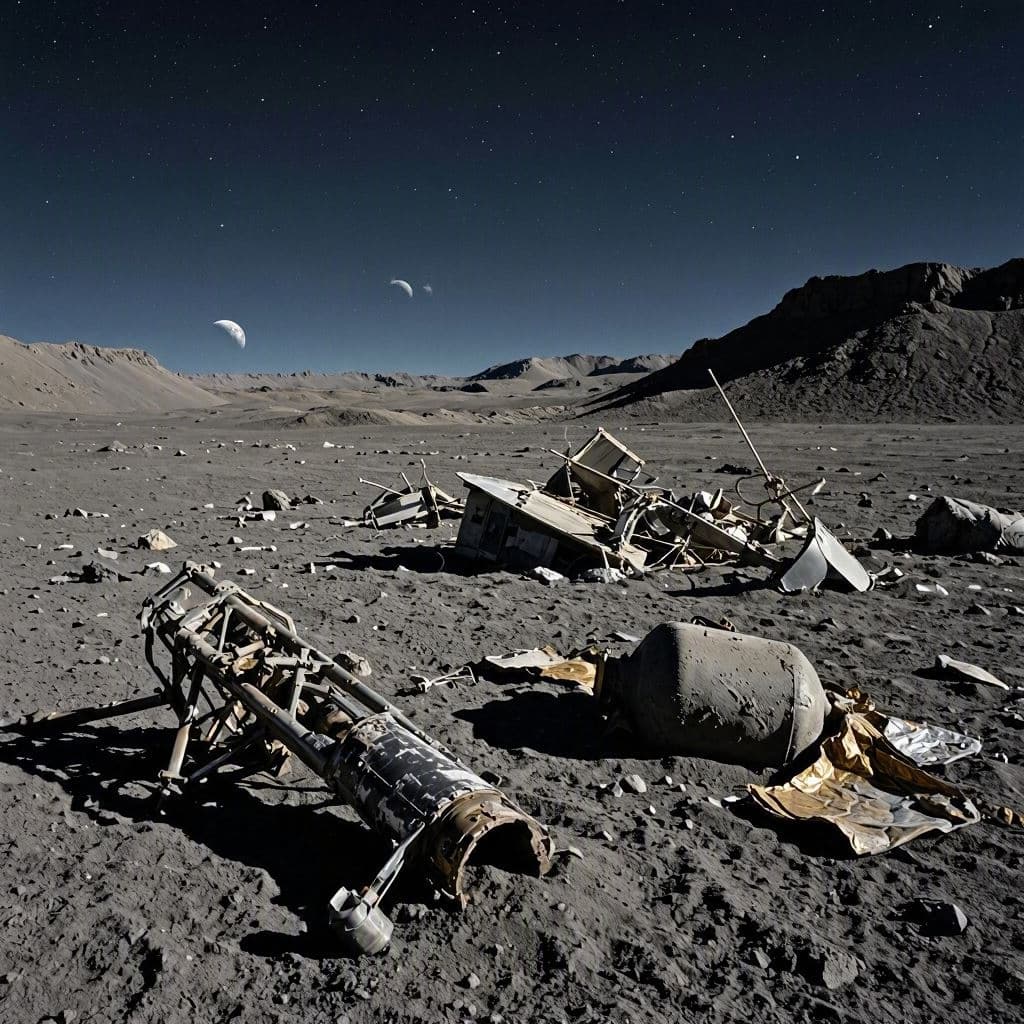
Recent missions have already left behind hardware, debris, and even human waste, creating a scattered archive of past endeavors. As the frequency of launches increases, so does the volume of material left on the lunar surface. History leaves traces. Progress creates waste.
Unlike Earth, the Moon lacks an atmosphere to burn up incoming debris or weather to erode discarded items. Trash left today will remain for millennia, preserved in the vacuum of space, potentially interfering with future scientific instruments and habitats. Vacuum preserves all. Silence holds memory.
International laws, such as the Outer Space Treaty, provide a framework for peaceful use but lack specific regulations on waste management and environmental protection on other celestial bodies. Legal gaps invite negligence. Governance lags behind technology.
Space agencies and private firms are beginning to discuss "lunar sustainability," proposing guidelines for cleaning up old mission remnants and minimizing new waste. However, enforcement remains a challenge in the absence of a unified global authority. Guidelines guide behavior. Enforcement ensures compliance.
For scientists, the pristine nature of the lunar environment is crucial for studying the history of the solar system. Contamination could obscure valuable data, making the Moon less useful as a window into our cosmic past. Purity aids science. Clarity reveals truth.
As we stand on the brink of a new era in space exploration, the choices we make now will define the legacy we leave on the Moon. The hope is that curiosity does not come at the cost of contamination. Curiosity drives us. Responsibility guides us.
Concerns are growing that the renewed interest in lunar exploration could lead to significant accumulation of debris and waste on the Moon’s surface. International cooperation and stricter regulations are needed to ensure sustainable practices. The hope is for a balanced approach that values both exploration and preservation.
AI Image Disclaimer: The visual elements accompanying this report are AI-generated interpretations designed to reflect the environmental and space exploration context of the story.
Sources: Scientific American SpaceNews The Guardian NASA
Published by Banx Network. This article is part of the Banx decentralized media programme, powered by the BXE token on the XRP Ledger.