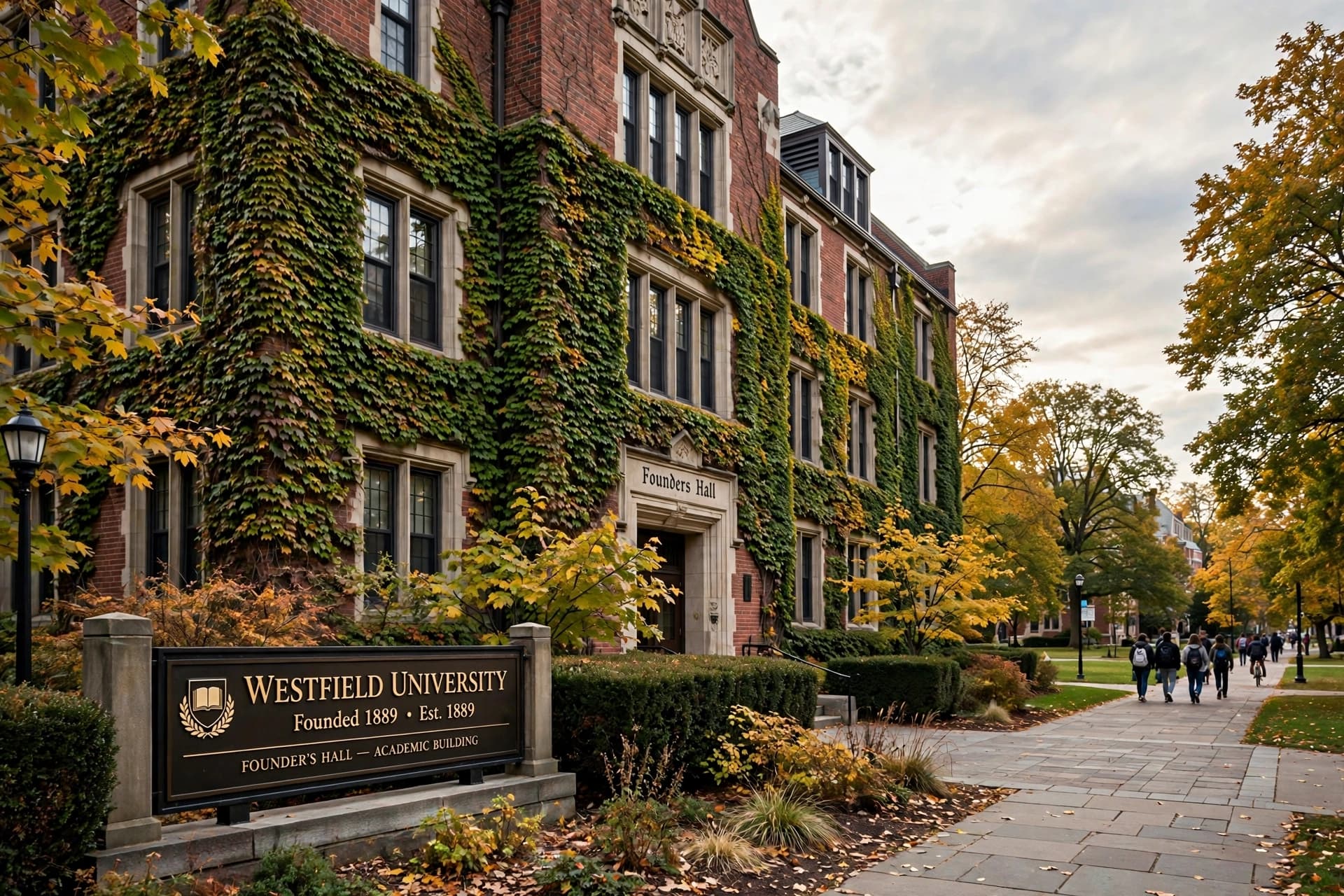
There is a particular kind of reckoning that arrives when an institution is forced to look inward—a reckoning that begins not with policy documents but with the quiet admission that something has gone wrong, that the systems designed to protect have not protected, and that the culture beneath the surface may be more troubling than anyone wanted to see. At Cornell University, that reckoning has arrived. In an eight-minute video message to the campus community, President Michael Kotlikoff said the school would take a “serious look” at the role of fraternities and sororities in campus life, acknowledging that Cornell “must do better” in how it handles sexual assault allegations .
The allegations at the center of the outcry are graphic and disturbing. A twenty-year-old student, identified in court documents as Jane Doe, alleges that in October 2024 she was drugged, incapacitated, and sexually assaulted by seven members of the Chi Phi fraternity over a period of hours. She filed a civil lawsuit last month against the university, the fraternity, and the accused men, alleging that Cornell failed to protect her and did not adequately punish those involved . According to investigation records obtained by The New York Times, the woman told a police officer, “I can say with 100 per cent confidence I was raped.” That statement was left out of the official police report sent to prosecutors, who ultimately dropped the case .
Kotlikoff’s message struck a conciliatory tone, but it also acknowledged the depth of the distrust that has gripped the campus. He said the past week had raised questions about the investigations conducted at the time, and he pledged greater transparency going forward. “I want to acknowledge something that can be difficult for an institution to say: We don’t have all the answers, but we are committed to investigating and finding the answers our community deserves,” he said . He expressed support for an independent review of Cornell’s handling of the case, which New York Governor Kathy Hochul called for, and for the decision to turn the criminal investigation over to the state attorney general .
The case has drawn attention not only to the specific allegations but to the broader question of Greek life’s role in campus sexual violence. Research has consistently shown that fraternity and sorority membership is associated with increased odds of experiencing sexual assault, and that campus-level factors—not just individual behavior—contribute to the risk . A recent study found that men who intend to join fraternities endorse attitudes downplaying sexual assault and hazing at higher rates than their peers, suggesting that selection effects may be at play . Kotlikoff acknowledged this tension directly: “At their best, these organizations can provide students with friendship, belonging, mentorship and a powerful sense of community. But being part of a group can never diminish individual responsibility” .
Cornell has defended its handling of the matter, saying it launched a comprehensive investigation, barred Chi Phi from campus, and imposed a range of sanctions including expulsions. But the lawsuit alleges that some accused students were allowed to “mitigate their conduct” by writing essays—a claim Cornell denies as a sole consequence . During a student assembly hearing on October 1, several speakers called for Kotlikoff’s resignation . He has not stepped down, but he has promised that the university’s board of trustees will announce details of an independent review, and that there will be more opportunities for students, parents, and others to engage with university leadership in the coming weeks .
The district attorney who initially declined to prosecute cited New York’s laws on voluntary intoxication, which critics say create a loophole: they separate people who were incapacitated by drugs without their consent from those who voluntarily consumed drugs and alcohol, even if they became too incapacitated to consent . Hochul has pledged to push for changes to the law, and Cornell has committed its support to those legislative efforts . For Jane Doe, and for the students who have questioned whether their university will protect them, the promises of review and reform arrive alongside a painful recognition: the culture that allowed this to happen did not emerge overnight, and it will not be dismantled by a single video message. But it is, at least, a beginning.
AI Image Disclaimer: The images accompanying this article were generated by artificial intelligence and are for illustrative purposes only.
Sources: ABC News, BBC, The Guardian, The New York Times, Taylor & Francis Online, American Psychological Association
Published by Banx Network. This article is part of the Banx decentralized media programme, powered by the BXE token on the XRP Ledger.