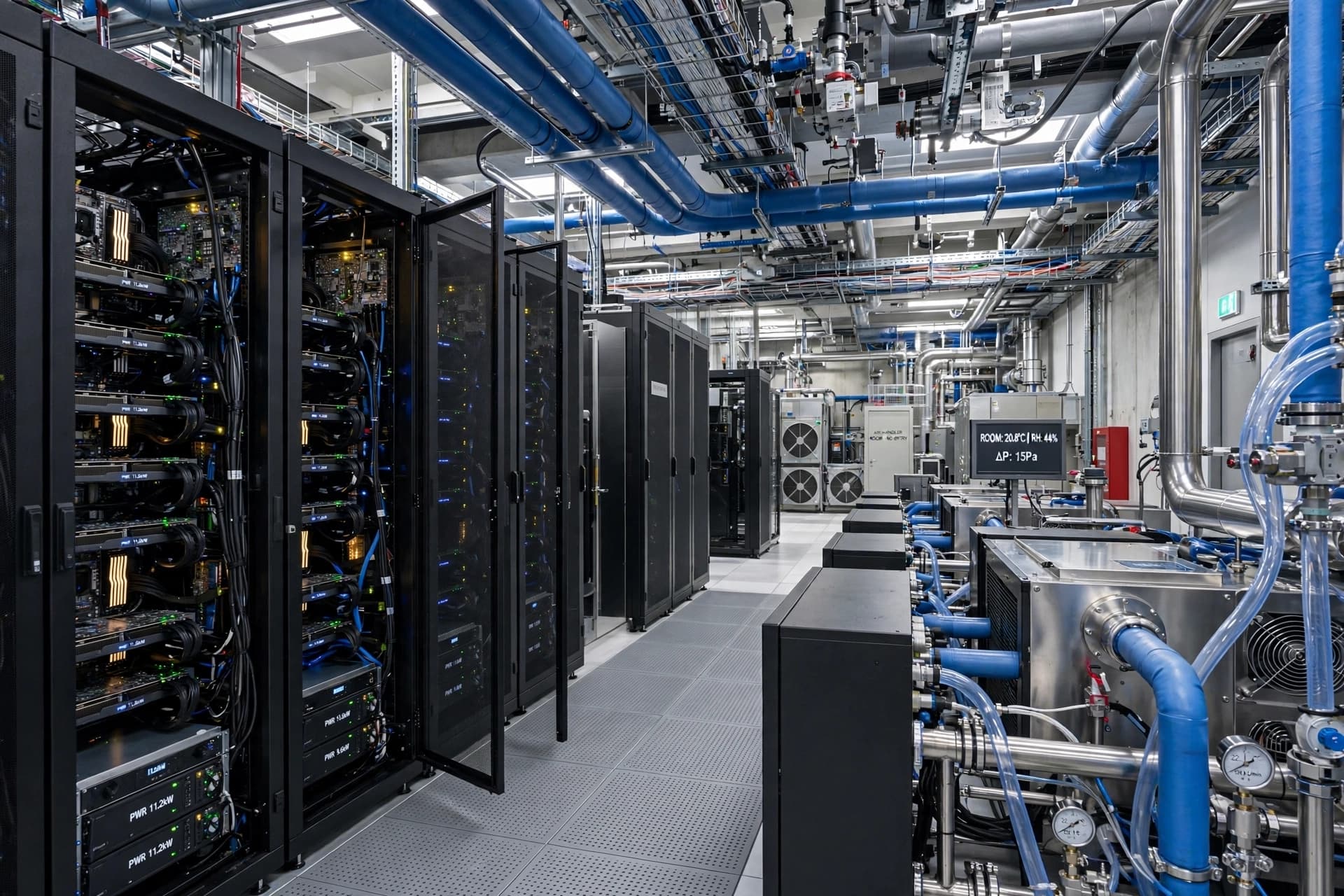
Article Technology is a conversation between generations — a whisper of what came before, a promise of what is coming next. In the world of computer graphics, this dialogue is especially apparent in AMD’s recent announcement about the future of its integrated GPUs. While many users focus on specs and benchmarks, the story here is one of continuity, refinement, and the careful balancing of ambition and reliability.
AMD has confirmed that its mainstream APUs will continue to employ RDNA 3.5 graphics architecture through at least 2029. These integrated GPUs power everything from everyday laptops to office desktops, quietly ensuring that video playback, productivity, and casual gaming run smoothly. RDNA 3.5 is not a radical reinvention but an evolution, offering efficiency, stability, and incremental performance improvements that help maintain predictability for both OEMs and end users.
Meanwhile, AMD’s premium SoCs are set to receive the next-generation RDNA 5 architecture. These high-end integrated graphics chips are designed for users who demand more — content creators, gamers, and professionals who need visual fidelity without relying on a discrete GPU. RDNA 5 promises higher performance, advanced features, and a foundation for the next wave of graphics-intensive applications.
The segmentation is deliberate. By reserving RDNA 5 for premium devices while keeping RDNA 3.5 in mainstream APUs, AMD ensures that its platform is both accessible and aspirational. Mainstream users benefit from a refined, stable experience that evolves gradually, while premium customers gain access to cutting-edge capabilities. This approach reflects a measured philosophy: innovation does not have to come at the expense of continuity.
From the Zen CPU cores to the Radeon iGPUs, AMD’s roadmap demonstrates the intricate choreography of silicon design. Mainstream devices will enjoy years of predictable performance, while high-end systems will showcase the future of integrated graphics. For developers and OEMs, this dual-track strategy simplifies planning, allowing product lines to mature without unnecessary disruption.
In the end, the story of RDNA 3.5 and RDNA 5 is less about the numbers on a spec sheet and more about a gentle evolution of technology, a careful balance between refinement and aspiration, stability and ambition. AMD’s roadmap ensures that both casual users and demanding professionals can continue to experience innovation, each in their own way.
AI Image Disclaimer (Rotated Wording) Images in this article are AI-generated illustrations, meant for concept only.
Sources Check (Media Names Only) Wccftech Hardware Premium Filmogaz Fanáticos del Hardware Tom’s Hardware
Published by Banx Network. This article is part of the Banx decentralized media programme, powered by the BXE token on the XRP Ledger.