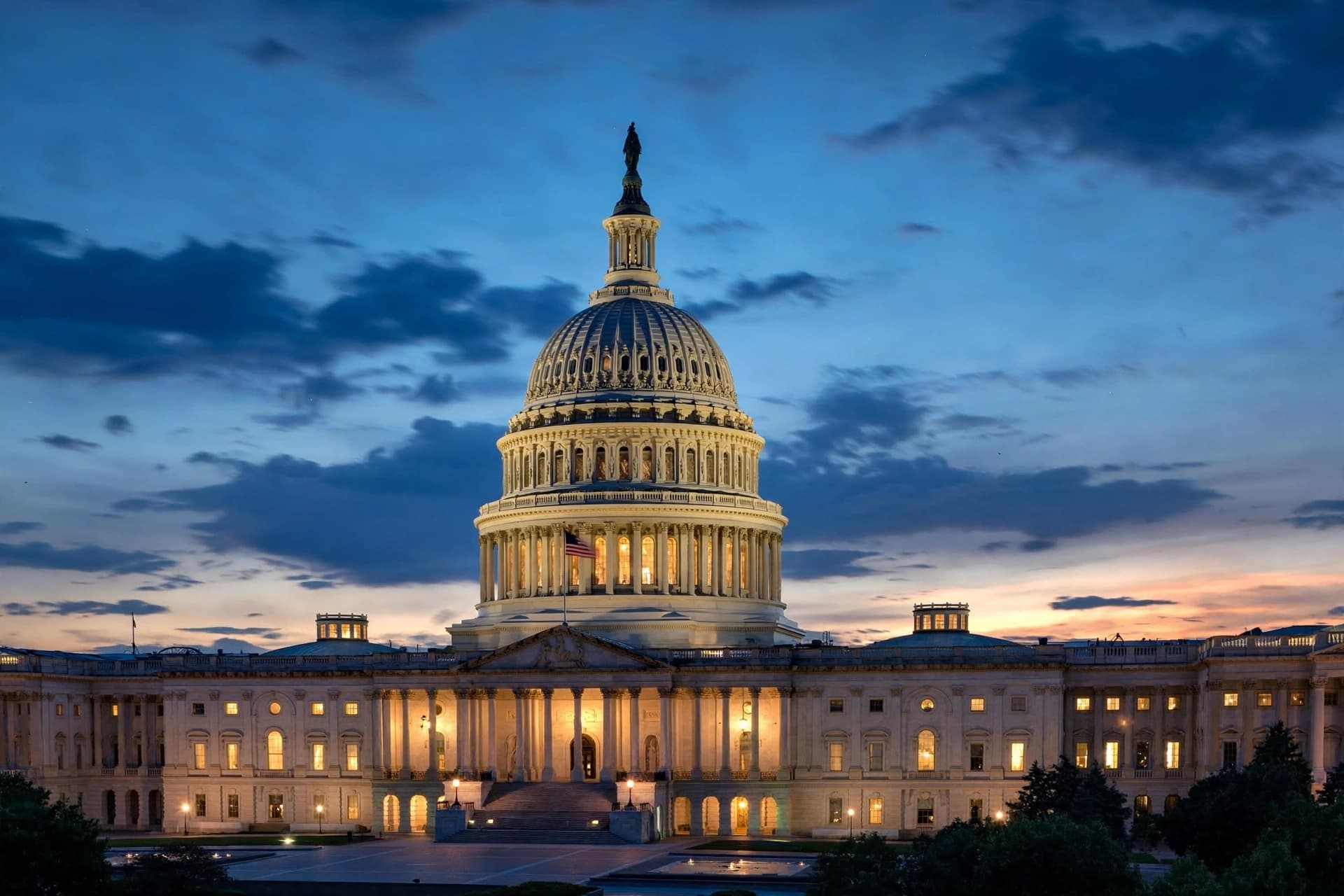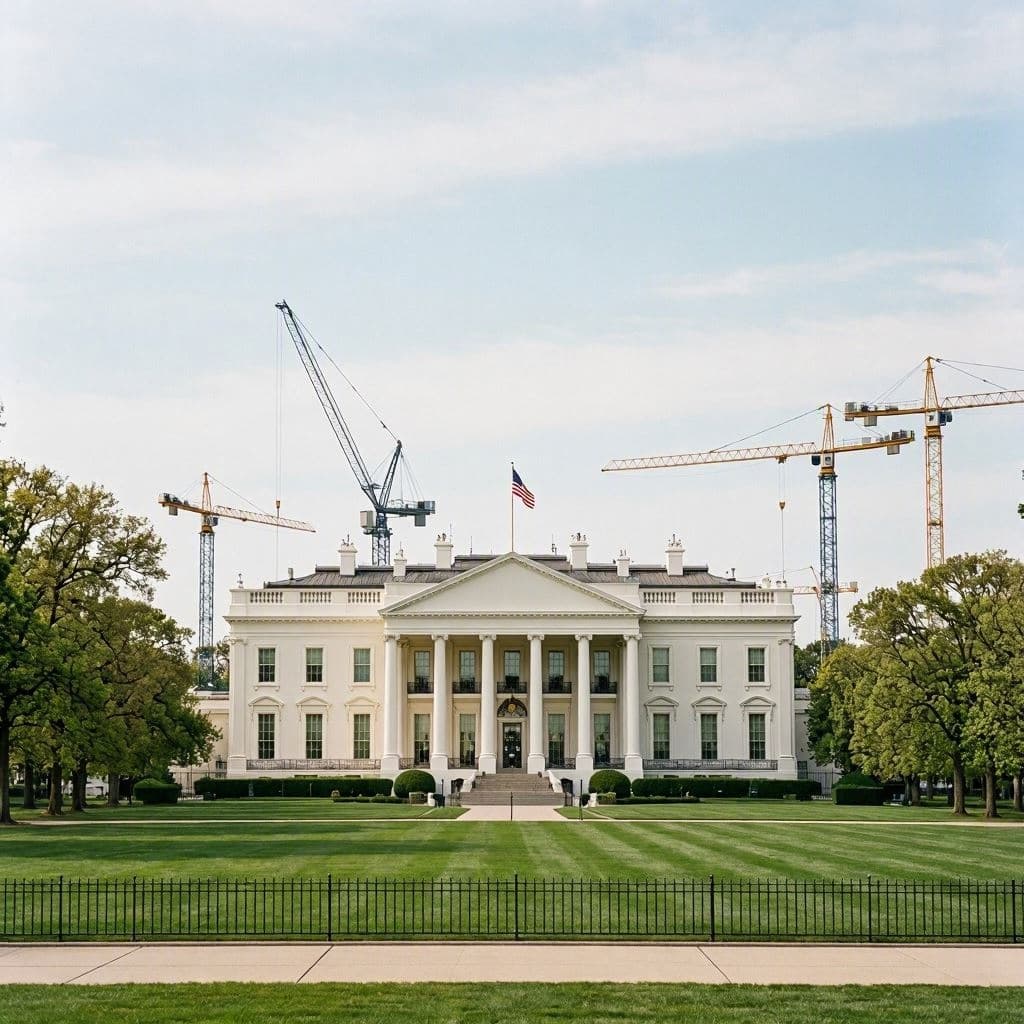
In the hallowed grounds of Washington, where history is etched into every stone and shadow, a new structure has begun to rise, sparking a debate that transcends mere architecture. The Supreme Court’s recent decision to allow construction on President Donald Trump’s proposed White House ballroom to continue—pending further legal review—has lifted a temporary injunction that had paused the project. This ruling is not just about bricks and mortar; it is a reflection of the ongoing tension between executive ambition and legislative oversight, played out against the backdrop of a nation deeply divided on the scope of presidential power.
The ballroom, a 90,000-square-foot addition intended to replace the East Wing, has been a subject of intense scrutiny since its announcement. Critics argued that such a significant alteration to the historic residence required explicit congressional approval, citing laws that govern federal property and preservation. A lower court had agreed, issuing a stop-work order that halted above-ground construction while allowing foundational work to proceed. However, the Supreme Court’s intervention has shifted the momentum back in favor of the administration, at least for the time being.
Chief Justice John Roberts, writing for the majority, emphasized the need to maintain the status quo while the legal questions are fully adjudicated. The decision does not constitute a final verdict on the legality of the project but rather a procedural pause in the opposition’s efforts to halt it. This nuanced distinction is crucial, as it leaves the door open for future challenges while allowing the physical work to advance, creating a fait accompli that may be difficult to reverse later.
Supporters of the project view the ballroom as a necessary modernization of the White House, providing a space for large-scale diplomatic events and state functions that the current facilities cannot accommodate. They argue that the president has the authority to manage and improve executive properties, especially when such improvements serve national interests. For them, the court’s decision is a validation of executive discretion and a rejection of what they see as bureaucratic obstructionism.
Opponents, however, remain steadfast in their belief that the project violates established norms and laws. They worry that allowing construction to proceed sets a dangerous precedent, potentially enabling future presidents to make unilateral changes to historic landmarks without public or legislative consent. The concern is not just about this specific building but about the broader implications for democratic accountability and the preservation of national heritage.
The political ramifications of the ruling are significant, particularly as the 2026 midterm elections approach. The ballroom has become a symbol of Trump’s presidency, representing both his grand vision and his willingness to challenge institutional constraints. How voters perceive this project—and the court’s handling of it—may influence their views on the balance of power and the role of the judiciary in checking executive overreach.
As construction resumes, the eyes of the nation remain fixed on the White House grounds. The sound of machinery now mixes with the whispers of legal debate, creating a symphony of progress and controversy. The outcome of the ongoing litigation will determine not only the fate of the ballroom but also the boundaries of presidential authority in the years to come.
The Supreme Court’s decision to let the ballroom construction proceed is a temporary reprieve rather than a final resolution. As the legal battle continues, the project stands as a testament to the complex interplay between tradition and change, power and restraint. The nation watches, waiting to see how this chapter in American political history will ultimately be written.
AI Image Disclaimer: Please note that any accompanying visuals for this article are AI-generated representations intended for illustrative purposes only.
Sources: SCOTUSblog NPR Reuters Politico Courthouse News Service
Published by Banx Network. This article is part of the Banx decentralized media programme, powered by the BXE token on the XRP Ledger.