In the soft glow of an early January dawn, the Central African Republic marked another turn in its political journey — one that carries echoes of continuity, contention, and questions about the future. President Faustin‑Archange Touadéra, a figure who has loomed large in his nation’s affairs for a decade, has been provisionally declared the winner of a third presidential term following the December 28 election. The announcement reflects both the will of a majority of voters and the complex landscape of politics in a land long shaped by struggle and resilience.
Provisional results from the National Electoral Authority showed Touadéra securing a commanding 76.15% of the vote, well ahead of his nearest rivals — former prime minister Anicet‑Georges Dologuélé with about 14.66% and Henri‑Marie Dondra with roughly 3.19%. Some 52.4% of registered voters cast ballots in the election that also included legislative, regional, and municipal contests.
This victory follows a constitutional change in 2023 that removed presidential term limits and extended the duration of the office to seven years, enabling Touadéra to run yet again. Critics and opposition figures argue that the revised constitution has tilted the political playing field, raising concerns about democratic fairness even as authorities and supporters defend it as an expression of popular will.
The major opposition coalition boycotted the election, denouncing what it called an uneven environment for free political competition. Two opposition candidates have already contested the results, alleging irregularities and fraud — claims that have been dismissed by government officials. The Constitutional Court is tasked with reviewing any challenges before certifying the final outcome later this month.
Touadéra, a former mathematics professor first elected in 2016, has led the Central African Republic through years of security volatility and ongoing efforts to stabilize the country. His supporters point to peace deals with various armed groups and partnerships with foreign security forces as signs of progress. At the same time, analysts note ongoing challenges — from sporadic violence to economic hardship — that pose enduring questions about governance and national unity.
As the nation awaits the official confirmation of results, the atmosphere reflects both relief and tension: relief that the electoral process has reached a provisional conclusion, and tension over how the coming years will unfold under a leadership that has now extended its tenure. The story of the Central African Republic — with its aspirations, its trials, and its people’s persistent hope for peace — continues to write itself through each turn of its democratic processes.
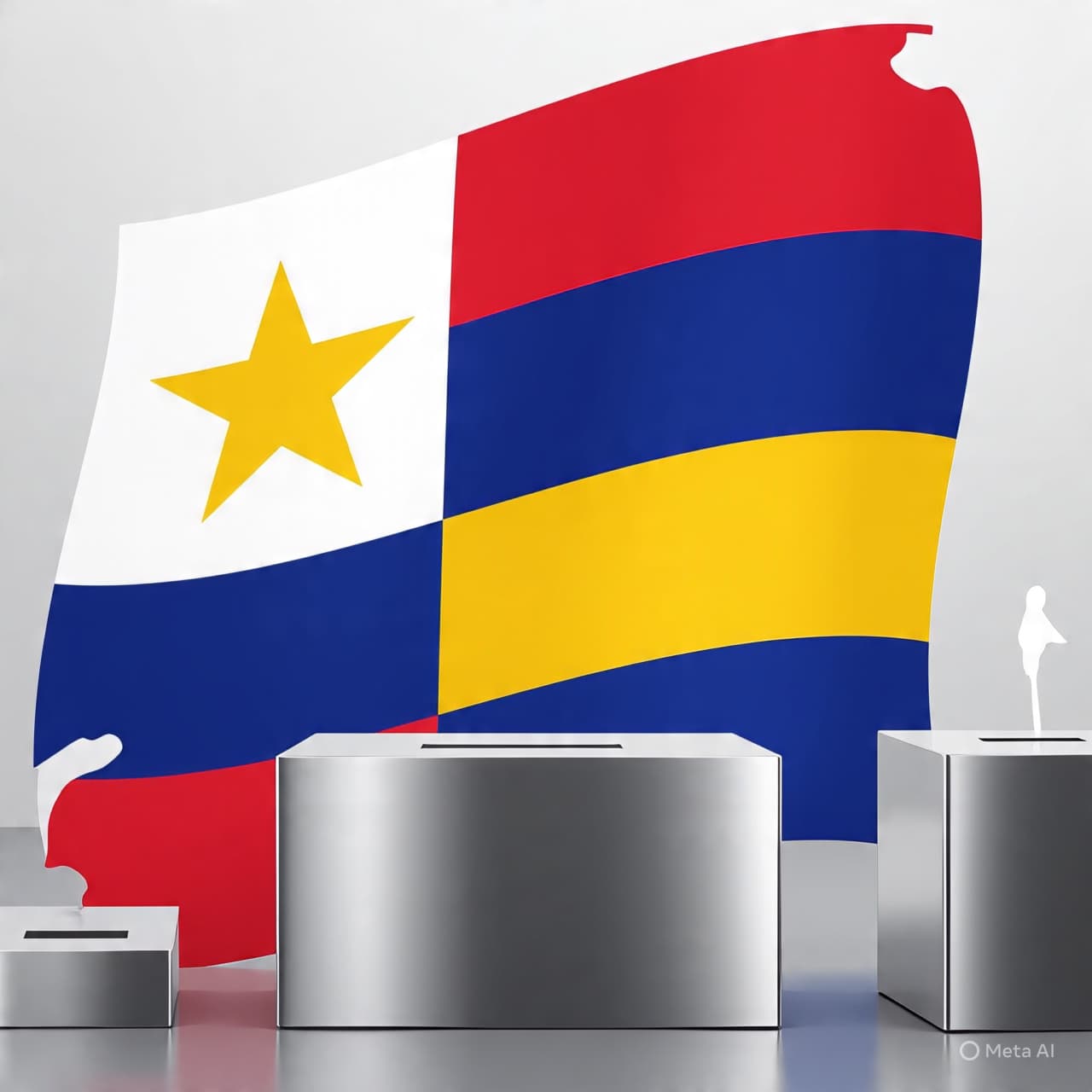
AI Image Disclaimer Visuals are created with AI tools and are not real photographs.
Sources Reuters Associated Press Africanews APA News Le360 Afrique
Published by Banx Network. This article is part of the Banx decentralized media programme, powered by the BXE token on the XRP Ledger.