Night falls unevenly over Gaza City, where the glow of streetlights competes with darker, more uncertain flashes along the horizon. In moments of quiet, the city seems to hold its breath—listening, waiting—before the distant sound of movement returns, carried through narrow streets and across rooftops. The rhythm of life continues, but it is no longer predictable; it arrives in fragments, shaped by events unfolding far beyond any single neighborhood.
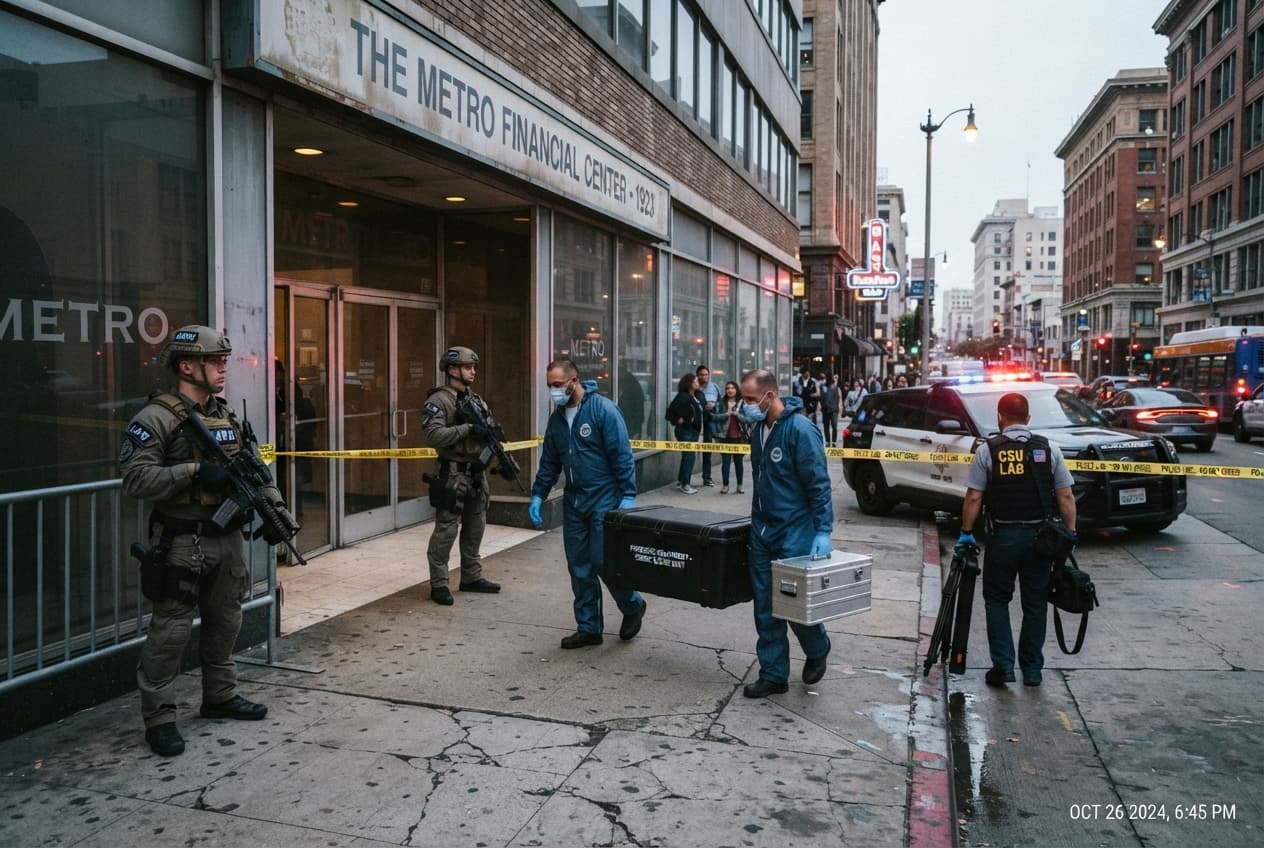
Across the region, the widening conflict between Israel and Iran has begun to draw in not only military assets, but also the quieter infrastructure of war—fuel supplies, communications, and the fragile networks that sustain civilian life. Reports of an Israeli strike that wounded a journalist and a cameraman have added another layer to the unfolding narrative, where the act of witnessing itself becomes increasingly perilous.
Further afield, in Washington, the language of policy takes on a different tone—measured, technical, yet carrying its own weight. Officials at the Pentagon are reportedly seeking a budget approaching $200 billion tied to the expanding conflict, reflecting both the scale of current operations and the anticipation of what may lie ahead. Numbers of this magnitude move through legislative channels and briefing rooms, but their implications stretch outward, shaping decisions that reach far beyond the halls in which they are discussed.
In Jerusalem, another kind of preparation unfolds. The establishment of a fuel supply taskforce suggests an awareness that modern conflict is not sustained by strategy alone, but by the steady availability of resources that keep systems functioning. Fuel, in this sense, becomes both literal and symbolic—a lifeline for military operations and civilian resilience alike.
The geography of this moment is expansive, yet interconnected. From the contested airspace above conflict zones to the administrative centers where responses are coordinated, each layer reflects a different dimension of the same unfolding reality. Analysts note that the involvement of multiple actors, both directly and indirectly, has complicated the boundaries of the conflict, making it less defined by a single front and more by a series of overlapping arenas.
Amid these developments, the human dimension remains constant, though often quieter in its expression. Journalists continue to document events despite increasing risks, navigating environments where the line between observer and participant can blur in an instant. Civilians adapt to disruptions that ripple through daily life—shortages, uncertainty, the recalibration of routines that once felt stable.
There is, in all of this, a sense of momentum that resists easy interpretation. Each development—whether a strike, a budget proposal, or a logistical measure—adds to a broader pattern that is still taking shape. The full contours of that pattern may only become visible with time, as the immediate urgency gives way to longer-term consequences.
As the night deepens over Gaza City and across the wider region, the lights that remain form a fragile constellation against the darkness. They mark places where life continues, where stories are still being lived even as they are being reported. And somewhere between those points of light and the distant centers of decision-making, the present moment unfolds—complex, uncertain, and still in motion.
In concrete terms, recent developments include reports of media personnel wounded in Israeli strikes, a proposed $200 billion U.S. defense allocation linked to the conflict, and the creation of a fuel supply taskforce by Israeli leadership. Together, these elements reflect both the immediate intensity of the war and the broader preparations shaping its trajectory.
AI Image Disclaimer Visuals are AI-generated and serve as conceptual representations.
Sources Reuters Associated Press BBC News Al Jazeera The New York Times
Published by Banx Network. This article is part of the Banx decentralized media programme, powered by the BXE token on the XRP Ledger.