

Key Highlights
- Discovery:A bat hidden in a 17th-century Flemish painting has been revealed through advanced imaging techniques.
- Techniques:Non-invasive methods like X-ray fluorescence and infrared reflectography were used to uncover the underpainting.
- Symbolism:The inclusion of a bat raises questions about the artist's intent and the themes of mortality in art.
[Discovery of the Hidden Bat]
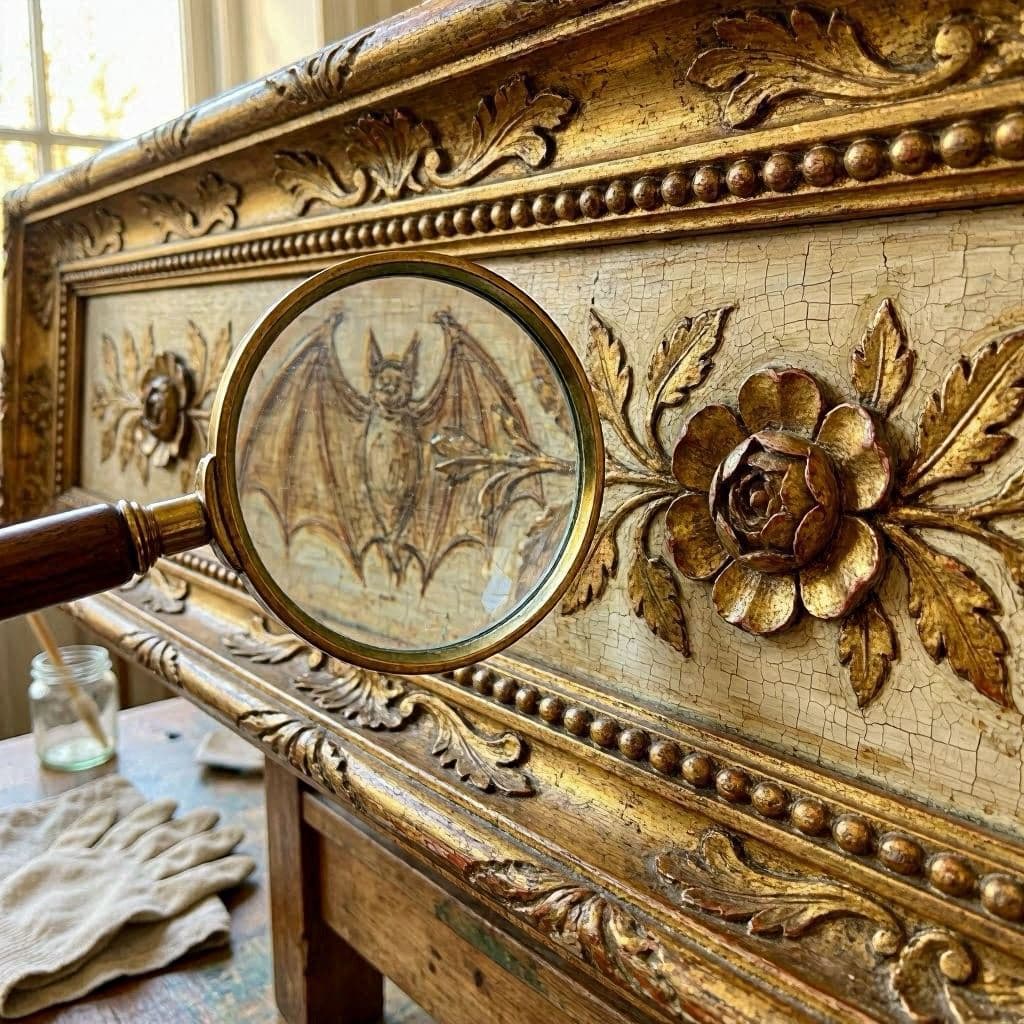
A remarkable discovery has emerged from the world of art conservation, where a bat, long concealed beneath layers of paint, has been revealed in a 17th-century Flemish painting. This finding was made possible through advanced imaging techniques, including X-ray fluorescence and infrared reflectography, which allow conservators to examine artworks without causing any damage. The scans unveiled an underpainting featuring a detailed depiction of a bat, an animal seldom celebrated in the still-life compositions of that era.
[Artistic Intent and Symbolism]
The presence of the bat in a genre typically dominated by flowers and fruits raises intriguing questions about the artist's original intent. Art historians speculate that the bat may have served a symbolic purpose, possibly representing the transient nature of life or the presence of death amidst the vibrancy of life. In the vanitas tradition, which often included symbols of mortality, the bat's inclusion could be seen as a reminder of life's impermanence, even in the midst of earthly pleasures. However, the explicit depiction of a bat is unusual, making this discovery particularly significant.
[The Mystery of Overpainting]
The decision to paint over the bat remains a mystery. It is conceivable that the patron found the imagery unsettling or inappropriate for the intended setting. Alternatively, the artist may have deemed the composition too dark or cluttered with the inclusion of the creature. Regardless of the reason, the overpainting effectively erased the bat from public view for centuries, leaving only subtle hints in the texture of the surface that went unnoticed until now.
[Technological Advances in Art Conservation]
This incident underscores the evolving role of technology in art conservation. What was once a matter of subjective interpretation is now supported by empirical evidence. Conservators can trace the creative processes of masters like Rubens or Brueghel with unprecedented precision, gaining insights into how their works evolved from initial sketches to final masterpieces. This deeper understanding allows for a more nuanced appreciation of their artistic choices and the constraints they faced.
[Reevaluating Symbolic Language]
Furthermore, the discovery invites a reevaluation of the symbolic language of Flemish painting. While flowers and fruits are well-understood symbols, the inclusion of less conventional animals like bats expands our understanding of the visual vocabulary of the time. It suggests that artists were willing to experiment with darker or more complex themes, even within traditional genres. This complexity adds depth to our appreciation of these works, revealing them as multifaceted narratives rather than mere decorative pieces.
[Ethical Considerations in Restoration]
The restoration team now faces a delicate decision regarding the bat. Should they reveal the underpainting, potentially altering the aesthetic balance of the work, or preserve the current state as it has been known for centuries? Such decisions are never taken lightly, involving extensive consultation with experts and consideration of ethical guidelines. The goal is to respect the integrity of the artwork while acknowledging its full history, including the parts that were hidden away.
Ultimately, the rediscovered bat serves as a reminder that art is not static. It is a living document of human creativity, subject to change, interpretation, and rediscovery. Each layer of paint tells a story, and each technological advance offers a new way to read those stories. In this case, a creature of the night has emerged from the shadows, inviting us to look closer and think deeper about the art we cherish.
Published by Banx Network. This article is part of the Banx decentralized media programme, powered by the BXE token on the XRP Ledger.




